

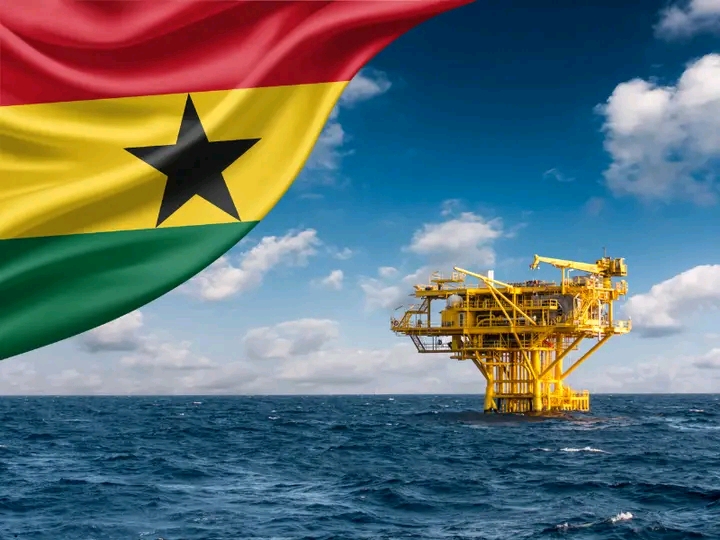
Ghana is moving to boycott the upcoming Africa Energies Summit 2026 in London, signalling a widening pushback across Africa’s oil and gas industry against what stakeholders describe as systemic exclusion and marginalisation of African voices in global energy platforms.
The decision reflects mounting frustration within the sector, where African governments, regulators and indigenous companies are increasingly questioning the credibility of international forums that claim to represent Africa’s energy future while allegedly sidelining African professionals. The summit, scheduled for May in London, has long been promoted as a leading global gathering for investors and policymakers in Africa’s upstream oil and gas industry, but it is now facing one of its most serious legitimacy challenges in recent years.
At the centre of the controversy are allegations raised by the African Energy Chamber, which has accused organisers of maintaining hiring practices that exclude Black African professionals from leadership and decision-making roles. The chamber has called for a coordinated boycott, arguing that institutions benefiting from African resources and participation must reflect the continent’s diversity and expertise in their operations.

The backlash has evolved from isolated criticism into a broader industry movement. Several African stakeholders, including petroleum ministers and national energy bodies, have already withdrawn participation or signalled their intention to do so. Reports indicate that Mozambique’s oil sector has stepped back from the event, while ministers linked to regional organisations have also declined involvement, citing concerns over representation and local content priorities.
For Ghana, the move carries both symbolic and strategic weight. As one of West Africa’s leading oil producers and an increasingly influential voice in continental energy policy, the country’s decision underscores a deeper shift in how African nations are positioning themselves within global energy conversations. It is not merely about one summit but about redefining the terms of engagement with international partners.
Industry observers note that the controversy highlights a long-standing tension within Africa’s extractive industries: the disconnect between where decisions are made and where resources are sourced. Despite Africa’s central role in global energy supply, many of the most influential discussions and investment platforms remain based outside the continent, often with limited African representation in leadership structures.
Critics argue that this imbalance undermines efforts by African governments to promote local content policies, which aim to ensure that citizens and local businesses benefit directly from resource development. The boycott, therefore, is being framed not just as a protest but as a demand for structural change within the global energy ecosystem.
“This is about principle,” industry voices have emphasised, pointing to the contradiction of hosting Africa-focused events that allegedly exclude Africans from meaningful participation. The growing resistance suggests that African stakeholders are no longer willing to accept passive roles in conversations about their own resources.

At the same time, the situation exposes a broader geopolitical shift. As global competition for energy resources intensifies and Africa’s strategic importance rises, the continent is asserting greater control over how its energy narrative is shaped. Governments and institutions are increasingly insisting on partnerships that prioritise equity, inclusion and mutual benefit.
The boycott also raises questions about the future of international energy forums focused on Africa. If participation from key African stakeholders continues to decline, such events risk losing both credibility and influence. Analysts suggest that organisers may be forced to rethink their structures, governance and engagement models to regain trust.
For now, Ghana’s decision adds momentum to what is quickly becoming a continent-wide stance. The message is clear: Africa’s energy future will not be defined externally without meaningful African participation.