

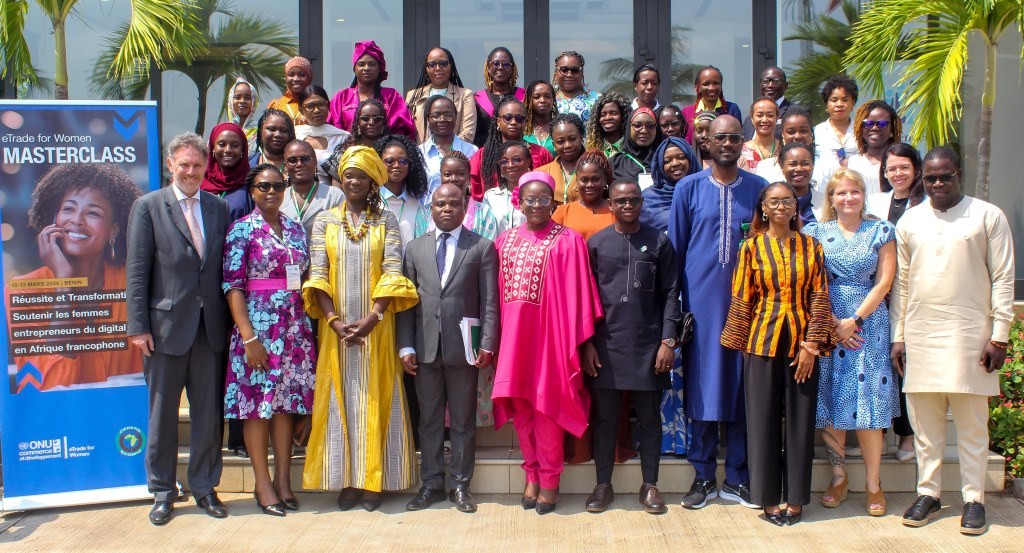
In a landmark effort to strengthen digital inclusion and economic empowerment for women across West Africa, the Economic Community of West African States (ECOWAS), in partnership with the United Nations Conference on Trade and Development (UNCTAD), has launched a comprehensive programme aimed at equipping women entrepreneurs with critical digital skills and tools to grow their businesses. The initiative reflects broader regional commitments to digital transformation, economic integration and gender equality, and responds to the growing recognition that women play a vital role in driving innovation and competitiveness in the digital economy.
The collaboration between ECOWAS and UNCTAD focuses on addressing major barriers that women face in accessing digital platforms, expanding market reach and scaling business operations. Despite significant progress in mobile penetration and internet access across West Africa, women entrepreneurs continue to encounter challenges such as limited digital literacy, constrained access to finance, and gaps in technical and business management capabilities. By bringing these issues into focus, the programme aims to strengthen women’s participation in digital trade and enhance their capacity to engage successfully in both domestic and international markets.
Central to the initiative was a series of training workshops, mentorship sessions and practical learning activities designed to provide participants with an in‑depth understanding of digital business fundamentals. The curriculum covered topics including digital marketing, e‑commerce strategy, online customer engagement, the use of digital tools for productivity, and the development of scalable business models. Special attention was given to the application of emerging technologies and insights on navigating online marketplaces — skills that are increasingly essential for business survival and competitiveness in a rapidly evolving economic landscape.
In addition to technical modules, the programme emphasised strategic business development skills such as financial planning, branding, value proposition design and investor pitching. Mentors from the private sector, successful women entrepreneurs and digital trade experts collaborated to help participants refine business plans and develop action strategies tailored to their enterprises. These engagements provided invaluable peer learning and networking opportunities while enabling participants to build lasting professional relationships across the region.
A notable aspect of the initiative was the inclusion of policymakers and institutional representatives in structured dialogues aimed at identifying systemic bottlenecks and proposing concrete recommendations to strengthen support ecosystems for women‑led digital businesses. These public‑private dialogues enabled stakeholders to highlight regulatory, financial, and infrastructural challenges and explore policy interventions that can enhance inclusivity and ease of doing business. Many participants underscored the need for supportive legal frameworks, access to affordable digital infrastructure, and targeted financing schemes that respond to the specific needs of women entrepreneurs.
The ECOWAS Commission reaffirmed its commitment to fostering an enabling environment for women in the digital economy, noting that empowering women entrepreneurs is key to achieving sustainable economic growth and reducing inequality in the region. Officials highlighted ongoing efforts to mainstream digital inclusion in regional development strategies, including alignment with the ECOWAS Digital Economy Programme and initiatives under the African Continental Free Trade Area that aim to promote digital trade and cross‑border e‑commerce.
Representatives from UNCTAD commended the collaborative approach, noting that linking women entrepreneurs with structured support systems, mentorship networks and regional platforms can accelerate business growth and enhance competitiveness. They stressed that digital skills today are not merely complementary but foundational to business success, especially in sectors such as retail, services, agriculture, technology and creative industries where digital adoption is reshaping market dynamics.
Participants in the programme expressed optimism about the transformative potential of the skills acquired and the opportunities for scaling their ventures. Many women entrepreneurs shared how access to digital tools, clearer business models and strategic guidance would help them reach new customers, diversify revenue streams and participate more actively in regional trade. For many, the programme provided both confidence and a tangible roadmap for achieving business growth in an increasingly digitalised world.
As the ECOWAS‑UNCTAD partnership continues, plans include follow‑on support mechanisms such as online learning modules, regional mentorship networks and business incubation opportunities aimed at sustaining the momentum generated by the initial training sessions. By fostering collaboration among governments, the private sector, development partners and women entrepreneurs themselves, the initiative seeks to create an inclusive digital ecosystem where women are equipped, connected and empowered to seize emerging economic opportunities.