

The Ghana Education Service is set to begin the recruitment of 7,000 teachers nationwide starting April 10, 2026, in a move aimed at strengthening the country’s education system and addressing persistent staffing shortages, particularly in underserved and rural communities.
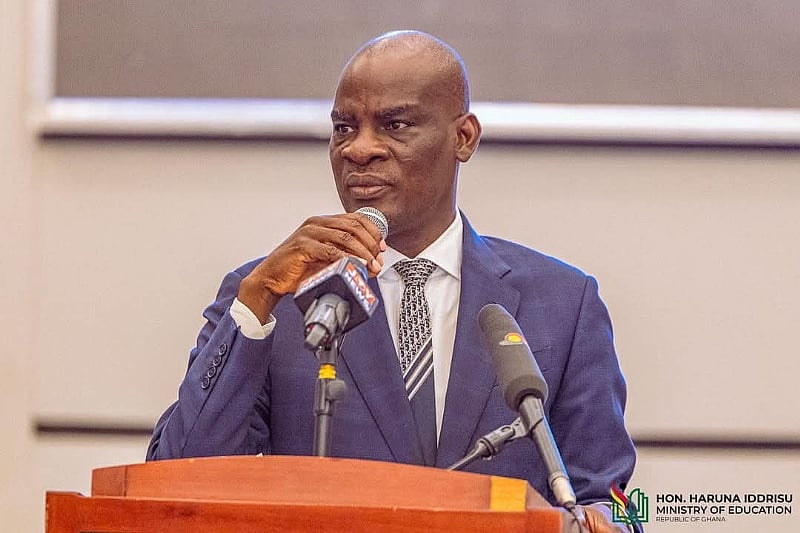
The announcement was made by Haruna Iddrisu, Minister for Education, who confirmed that the recruitment exercise has received full financial clearance from the Ministry of Finance. According to him, the process will be conducted through an open and competitive system, with applications officially opening via an online portal on the stated date.
The recruitment will target trained teachers from recent graduating cohorts, specifically those who completed their studies between 2023 and 2025. Authorities say priority will be given to applicants willing to accept postings in deprived and hard to reach areas, where teacher shortages remain most critical.

This initiative comes at a time when Ghana continues to grapple with uneven teacher distribution across the country. While urban centres often experience a surplus of trained teachers competing for limited placements, many rural schools face acute shortages that affect the quality of teaching and learning outcomes.
By deploying newly recruited teachers to these underserved communities, the government aims to bridge this gap and improve access to quality education nationwide. The move is also expected to reduce class sizes, enhance teacher to student ratios and improve overall academic performance in public schools.
Beyond addressing staffing needs, the recruitment drive is also a significant employment opportunity for thousands of trained but unemployed teachers across the country. Over the years, concerns have been raised about delays in postings and limited absorption of graduates from colleges of education and universities into the public school system.
The latest exercise signals a renewed commitment by the government to tackle both unemployment among trained teachers and systemic inefficiencies within the education sector. It also aligns with broader national goals of improving human capital development and achieving sustainable development targets related to education.
Education analysts argue that while recruitment is a crucial step, it must be accompanied by complementary investments in infrastructure, teaching materials and teacher welfare. Without these, the impact of increased staffing may be limited, especially in rural areas where conditions can be challenging.

There are also expectations that the recruitment process will be transparent and merit based, given past concerns about irregularities in public sector hiring. The Ministry has emphasised that the process will be strictly monitored to ensure fairness and equal opportunity for all qualified applicants.
The April 10 rollout date now becomes a key moment for thousands of aspiring teachers across Ghana, many of whom have been waiting for placement into the public education system. For the government, the success of this initiative will not only be measured by the number of teachers recruited but also by how effectively they are deployed and retained in the areas that need them most.
As Ghana continues to invest in its education sector, the recruitment of 7,000 teachers represents both a policy intervention and a test of execution, one that could significantly shape learning outcomes and workforce development in the years ahead.
GES announces dates for 2025 teachers’ promotion examinations