

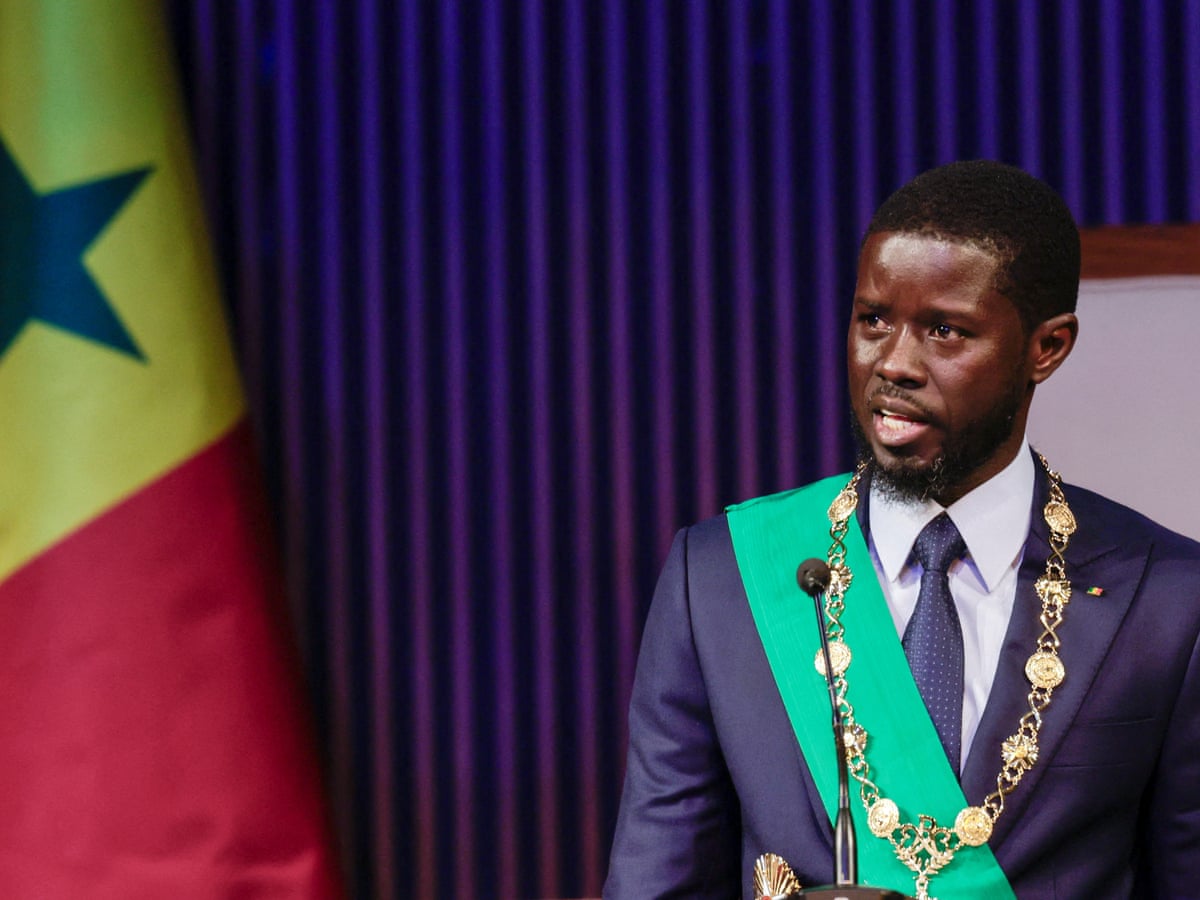
Senegal has reportedly moved to tighten its legal stance on same sex relations after President Bassirou Diomaye Faye signed into law a controversial bill that increases criminal penalties linked to homosexuality, according to statements circulating from official and parliamentary sources.
The legislation is said to raise the maximum prison sentence for same sex relations to up to 10 years, alongside additional fines and expanded provisions that criminalise what authorities describe as the “promotion” or facilitation of homosexuality. The law is also reported to extend liability to individuals accused of supporting, financing or enabling related activities, significantly broadening the scope of enforcement compared to previous legal provisions.
The move follows strong parliamentary backing earlier in the legislative process, reflecting a political climate in which conservative social policy positions continue to command wide support among lawmakers. Reports indicate that the bill aligns with campaign promises made by President Faye and Prime Minister Ousmane Sonko during the 2024 election cycle, where both leaders signalled a commitment to uphold what they described as traditional social values.

Senegal has long maintained laws that criminalise consensual same sex relations, a legal framework inherited from earlier post colonial penal codes. However, the newly reported changes are described as a substantial escalation in both sentencing severity and enforcement reach, marking one of the toughest positions on LGBTQ related issues in the region if fully implemented as reported.
The development has triggered swift reactions from international human rights organisations. The United Nations High Commissioner for Human Rights, Volker Türk, has been widely cited warning that such legal measures risk undermining fundamental human rights protections, including the rights to privacy, dignity and freedom of expression. Human rights advocates argue that the expansion of criminal penalties and the inclusion of vague terms such as promotion could lead to broader interpretation by law enforcement authorities, potentially increasing the risk of arbitrary application.
Critics also warn that laws of this nature may deepen social stigma and discrimination against LGBTQ individuals, making it more difficult for affected persons to access healthcare, legal protection and social services. International observers have repeatedly raised concerns about the human rights implications of criminalising sexual orientation, arguing that such policies often conflict with global human rights standards established under various United Nations frameworks.
Despite the criticism, Senegalese authorities are reported to have defended the legislation, pointing to strong domestic support for stricter moral and social regulations. Public opinion in the country is widely understood to be conservative on issues relating to sexuality, and political leaders often face pressure to reflect these views in national policy decisions.

Supporters of the law argue that it reinforces national cultural identity and responds to societal expectations regarding family structure and public morality. They maintain that the legislation is intended to preserve social cohesion and reflect the values of the majority population. However, opponents argue that criminalisation does not address underlying social issues and instead risks isolating minority groups while attracting diplomatic tension.
The reported law also comes at a time when several African countries are revisiting or strengthening legislation related to LGBTQ rights, creating a wider continental debate about sovereignty, cultural values and international human rights obligations. This tension has increasingly placed governments in a difficult position between domestic political expectations and external diplomatic pressures, particularly from Western governments and international institutions that advocate for decriminalisation.
If the reported provisions are fully enforced, Senegal could face renewed scrutiny in its international partnerships, particularly in areas related to development assistance, governance cooperation and human rights monitoring. However, supporters of the legislation argue that external pressure should not override domestic legislative sovereignty.

As of now, further official clarification is expected regarding the full text of the law, its implementation timeline and enforcement guidelines. Observers note that the real impact of the legislation will depend not only on its passage but also on how judicial and law enforcement institutions interpret and apply its provisions in practice.
The development continues to generate debate both within Senegal and internationally, highlighting the persistent global divide on LGBTQ rights and the complex intersection between cultural norms, politics and human rights law.
Mahama urges global partners to respect Ghana’s position on LGBTQ issues