


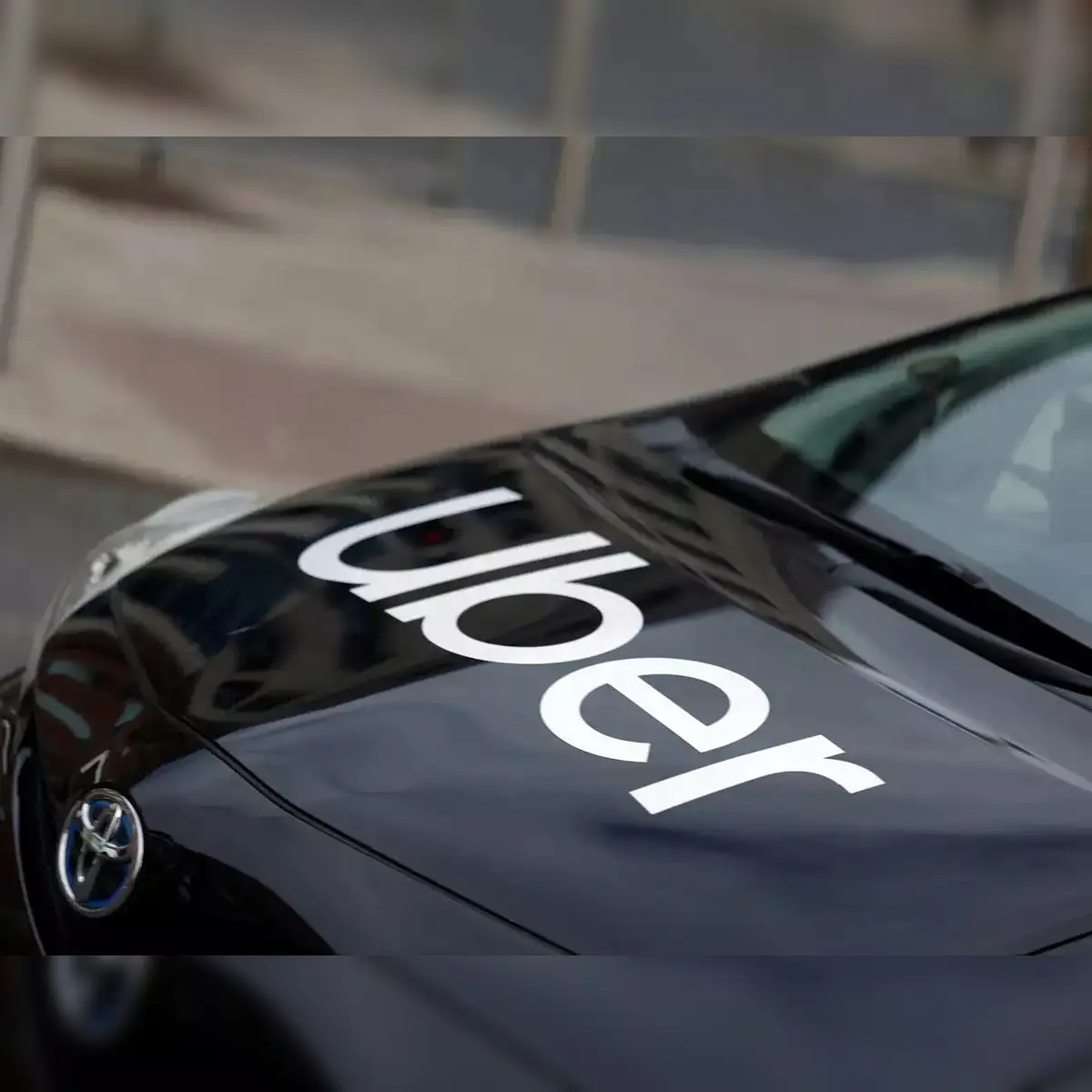
Uber is set to acquire Berlin based chauffeur services startup Blacklane in a strategic move aimed at expanding its premium mobility offerings, particularly its high end “Elite” service segment, as competition intensifies in the global ride hailing and luxury transport space.
According to TechCrunch reporting, the acquisition represents a major exit for Blacklane, which has raised over $100 million from investors including Mercedes Benz and Sixt. The deal signals Uber’s growing focus on capturing more value in the premium transport market, where demand for reliable, high comfort and business oriented mobility services continues to rise.
Blacklane has built its reputation as a global chauffeur service provider, operating in major cities across Europe, North America and Asia. Unlike standard ride hailing platforms, the company specialises in pre booked, professional driver services often used by corporate clients, airport travellers and high income customers seeking a more consistent and upscale travel experience.

Uber’s decision to integrate Blacklane into its ecosystem reflects a broader shift in strategy as the company moves beyond mass market ride hailing and increasingly targets segmented mobility services. The “Elite” offering is part of this evolution, designed to compete in the luxury transport category where reliability, vehicle quality and driver professionalism are key differentiators.
Industry analysts say the acquisition is also a response to growing competition in the premium mobility sector, where traditional ride hailing firms are competing with established chauffeur companies, luxury car services and corporate travel providers. By absorbing Blacklane’s operational network and expertise, Uber aims to strengthen its positioning in this high margin segment.
The deal also highlights a broader trend in the mobility industry, where consolidation is accelerating as companies seek scale, operational efficiency and access to new customer bases. For Blacklane, joining Uber provides an opportunity to expand its global reach significantly, leveraging Uber’s existing infrastructure and user base to scale its chauffeur services beyond its current markets.
Uber has been steadily investing in premium and diversified mobility solutions in recent years, moving away from its early identity as a low cost ride hailing platform. This includes expansion into luxury rides, airport transfer services and partnerships aimed at corporate travel solutions. The acquisition of Blacklane fits directly into this long term strategy.
For corporate clients in particular, demand for premium transport services has been rising as business travel rebounds globally. Companies are increasingly prioritising reliability, safety and service consistency for executive transport, creating a lucrative niche that sits between traditional taxis and private car ownership.
Blacklane’s investor base, which includes automotive industry heavyweights such as Mercedes Benz and Sixt, reflects its positioning at the intersection of technology and luxury automotive services. Its integration into Uber could accelerate the blending of digital ride platforms with traditional premium transport networks.

However, integration challenges are expected. Merging a specialised chauffeur service with a large scale ride hailing platform will require alignment in pricing models, driver standards, customer expectations and operational logistics. Maintaining Blacklane’s premium brand identity while scaling through Uber’s mass market infrastructure will be a key balancing act.
From a strategic standpoint, the acquisition underscores Uber’s continued push to dominate not just everyday mobility but also the upper tier of the transport market. As competition from regional players and alternative mobility platforms increases, controlling multiple segments of the market has become increasingly important for long term growth.
The move also reflects a broader evolution in urban mobility, where consumers now expect a range of transport options within a single ecosystem, from low cost rides to luxury chauffeur services. Companies that can successfully integrate these tiers are likely to hold a stronger competitive advantage in the coming years.
If completed, the deal would mark one of Uber’s most significant moves into the premium European mobility space, reinforcing its ambition to become a comprehensive global transport platform rather than just a ride hailing app.
Uber Eats launches AI assistant to help with grocery cart creation