

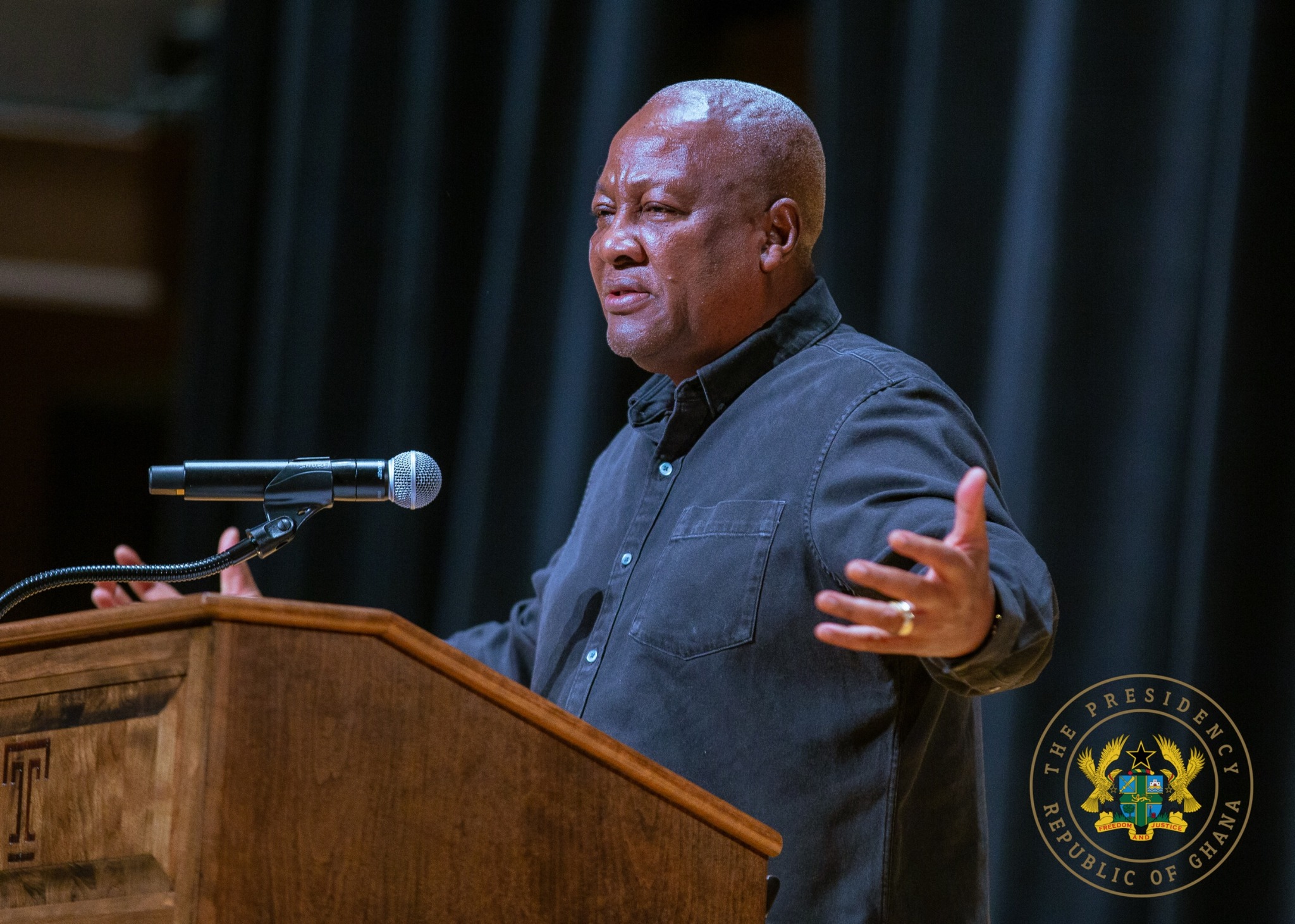
President John Dramani Mahama has called on international partners to respect Ghana’s stance on LGBTQ issues, stressing that the country’s policies are rooted in its cultural values, legal framework and societal norms.
Speaking on the matter, Mahama emphasised that decisions regarding LGBTQ issues in Ghana are not imposed externally but are shaped by domestic processes, including public opinion, religious beliefs and parliamentary action. He underscored that while Ghana remains open to international cooperation, its sovereignty must be respected when it comes to sensitive social and moral questions.
The remarks come amid ongoing global debate and pressure from some international organisations and Western partners advocating for expanded LGBTQ rights in Ghana and across Africa. Mahama’s position reflects a broader trend among several African leaders who argue that external influence on such issues often clashes with local cultural and societal expectations.

In Ghana, same sex relations remain criminalised under existing laws, with penalties including imprisonment. Public discourse around LGBTQ rights has intensified in recent years, particularly following the introduction and subsequent reintroduction of the Human Sexual Rights and Family Values Bill, widely referred to as the anti LGBTQ bill.
Mahama has previously indicated support for the principles behind the bill, while suggesting it should undergo broader consultation and possibly be introduced as a government backed initiative rather than a private members bill. His administration has also leaned toward promoting traditional family values through education and policy rather than relying solely on legislation.
The president’s latest comments appear to strike a balance between maintaining Ghana’s established position and managing diplomatic relations. By urging respect rather than confrontation, the government is signalling that while it acknowledges international perspectives, it will prioritise domestic consensus in shaping national policy.
The issue remains highly sensitive, with strong opinions on both sides. Religious institutions, traditional leaders and a significant portion of the Ghanaian public have consistently expressed opposition to the legalisation of LGBTQ practices, while human rights organisations continue to advocate for decriminalisation and protections for sexual minorities.

Mahama’s statement is likely to reinforce Ghana’s current trajectory on the issue, even as the country navigates potential diplomatic and economic implications tied to international partnerships and funding.
Mahama honoured with top global leadership award in Philadelphia