

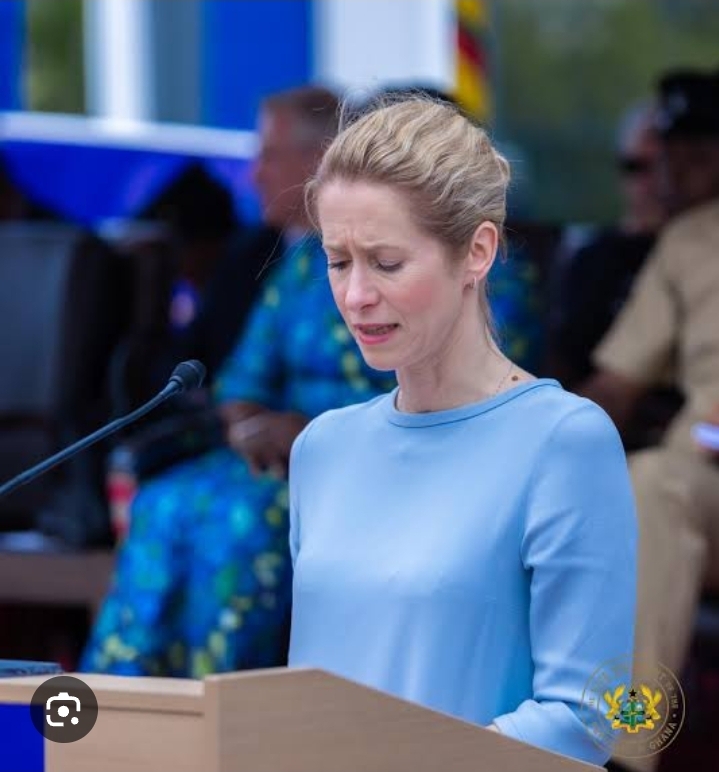
The European Union has issued a strong caution against the recruitment of Ghanaian citizens into the ongoing Russia–Ukraine War, stressing that the conflict does not involve Ghana and should not draw in its nationals.
The warning reflects growing international concern over reports that foreign nationals, including Africans, are being targeted for recruitment into the protracted war, either through private military networks or indirect enlistment channels. EU officials emphasised that such involvement exposes individuals to significant danger while raising legal and diplomatic complications for their home countries.
According to the bloc, Ghanaian citizens have no formal role in the conflict, and any attempt to involve them—whether through financial incentives, misinformation, or coercion—should be treated with caution. The EU reiterated that the war remains a geopolitical dispute centred in Eastern Europe and does not align with Ghana’s national interests or foreign policy stance.

The caution also underscores broader fears about the increasing internationalisation of the conflict. As the war continues, there have been reports of recruitment efforts extending beyond Europe, targeting individuals from developing regions who may be vulnerable to economic pressures or promises of financial reward.
Security analysts warn that such recruitment carries severe risks. Individuals who join foreign conflicts may face legal consequences upon return, as well as long-term psychological and physical harm. There are also concerns about exploitation, with some recruits allegedly misled about the nature of their roles or the conditions they will face on the battlefield.
For Ghana, the development raises important questions about citizen protection and awareness. While the government has not formally endorsed any participation in the conflict, authorities are expected to monitor the situation closely and reinforce public education on the risks associated with foreign military involvement.
The EU’s statement aligns with its broader diplomatic efforts to limit escalation and discourage external participation in the war. By urging countries like Ghana to remain uninvolved, the bloc is seeking to prevent the conflict from drawing in additional actors and expanding beyond its current scope.

Observers note that the warning also highlights the importance of information control in the digital age. Recruitment efforts are increasingly carried out online, making it easier to target individuals across borders. This has heightened the need for vigilance, particularly among young people who may encounter such offers on social media or through informal networks.
As the war continues with no immediate resolution in sight, international bodies are stepping up efforts to contain its impact and prevent its spread. For Ghanaian citizens, the message from the European Union is clear: the conflict is not theirs to fight, and involvement could come at a high personal and national cost.
Shein EU investigation: EU launches formal probe amid digital services concerns