

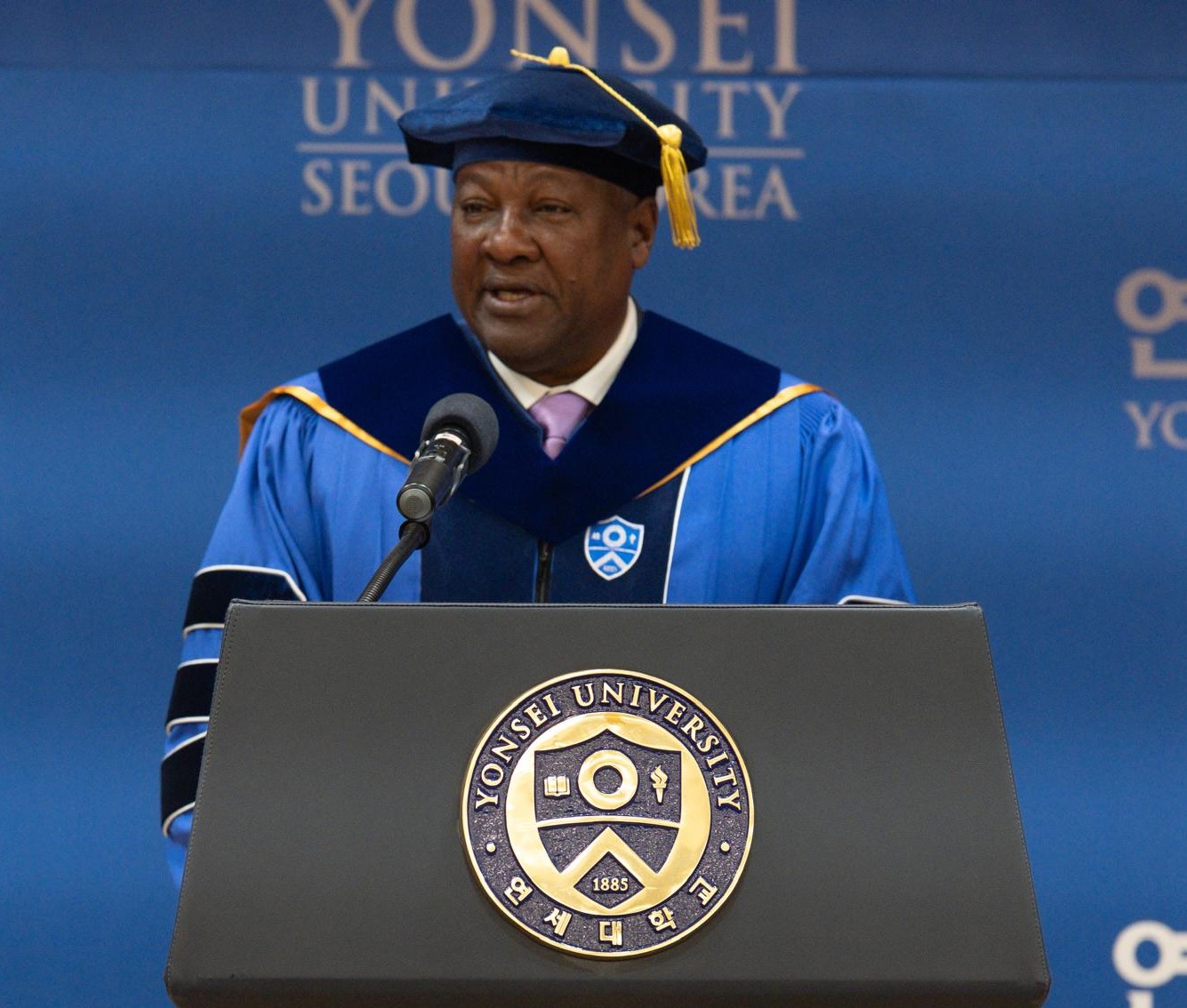
A planned honorary doctorate conferment for John Dramani Mahama at Lincoln University has been abruptly cancelled, in a development that is already generating international attention and diplomatic concern.
The decision, confirmed on March 24, 2026, came just days before the ceremony was scheduled to take place in Pennsylvania, where the Ghanaian president was expected to be honoured for his contributions to public service, democratic governance, and global advocacy for reparative justice.
Sudden reversal after prior approval
Until the last minute, all arrangements for the visit had reportedly been completed. Officials from Ghana’s embassy in Washington, D.C., had worked closely with the university, including conducting a full walkthrough of the event venue shortly before the scheduled ceremony.
However, the university issued a brief notice cancelling the visit, citing “unforeseen circumstances.” Behind that phrasing, diplomatic sources indicate that concerns had been raised by a group regarding Mahama’s perceived position on Ghana’s controversial Human Sexual Rights and Family Values Bill, widely referred to as the anti-LGBTQ+ bill.
The Ghanaian embassy described the development as “surprising and regrettable,” particularly given the advanced stage of preparations and the president’s presence in the United States at the time.
LGBTQ+ bill emerges as central issue
At the heart of the controversy is Ghana’s proposed legislation on LGBTQ+ rights, which has sparked intense debate both domestically and internationally. Advocacy groups and some international observers have criticised the bill as restrictive and discriminatory, while supporters argue it reflects prevailing cultural and societal values in Ghana.
Although the university did not issue a detailed public explanation, reports indicate that concerns about Mahama’s perceived stance on the bill influenced the decision to withdraw the honour.

This raises broader questions about how global institutions engage with political leaders whose domestic policy environments may conflict with their own institutional values, especially on issues such as human rights and inclusion.
Context: from recognition to rejection
The cancellation marks a sharp reversal from the university’s earlier position. Just days before, Lincoln University had publicly announced the honorary doctorate, praising Mahama’s leadership and highlighting his role as the African Union’s champion for reparations and justice.
The honour was also symbolically significant. The university has historic ties to Ghana, notably as the alma mater of Kwame Nkrumah, and the planned recognition of Mahama was framed as a continuation of that shared legacy.
Mahama’s broader international agenda
At the time of the cancellation, Mahama was in New York preparing to address the United Nations General Assembly, where he is expected to present a resolution seeking global recognition of the transatlantic slave trade as a crime against humanity.
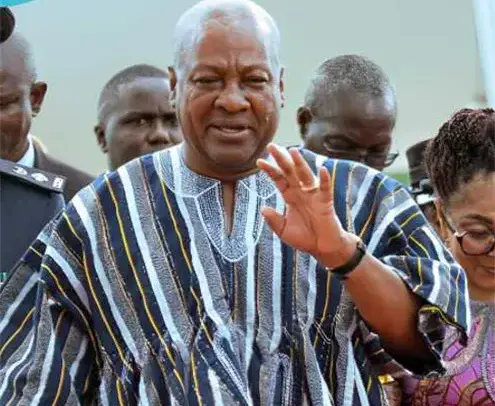
This initiative forms part of a broader campaign for reparatory justice, a key pillar of his international advocacy.
A delicate diplomatic moment
The incident underscores the growing intersection between domestic policy debates and international diplomacy. For Ghana, it highlights how internal legislative processes such as the LGBTQ+ bill can shape global perceptions and influence engagements abroad.
For universities and global institutions, it reflects the increasing pressure to align honorary recognitions with institutional values, particularly on issues of human rights.

Despite the controversy, neither Mahama nor his office had issued a direct public response at the time of reporting. However, the Ghanaian embassy emphasized that the bill remains under parliamentary consideration and does not represent the unilateral position of any single individual.
The cancellation of the honorary doctorate is both factual and significant, confirmed by multiple credible reports within hours of the announcement. Beyond the immediate implications, it signals a broader shift in how political leadership, cultural values, and global institutional expectations intersect in an increasingly interconnected world.
As debates over LGBTQ+ rights continue in Ghana, the episode may have lasting implications for the country’s diplomatic engagements and the global reception of its leadership.