

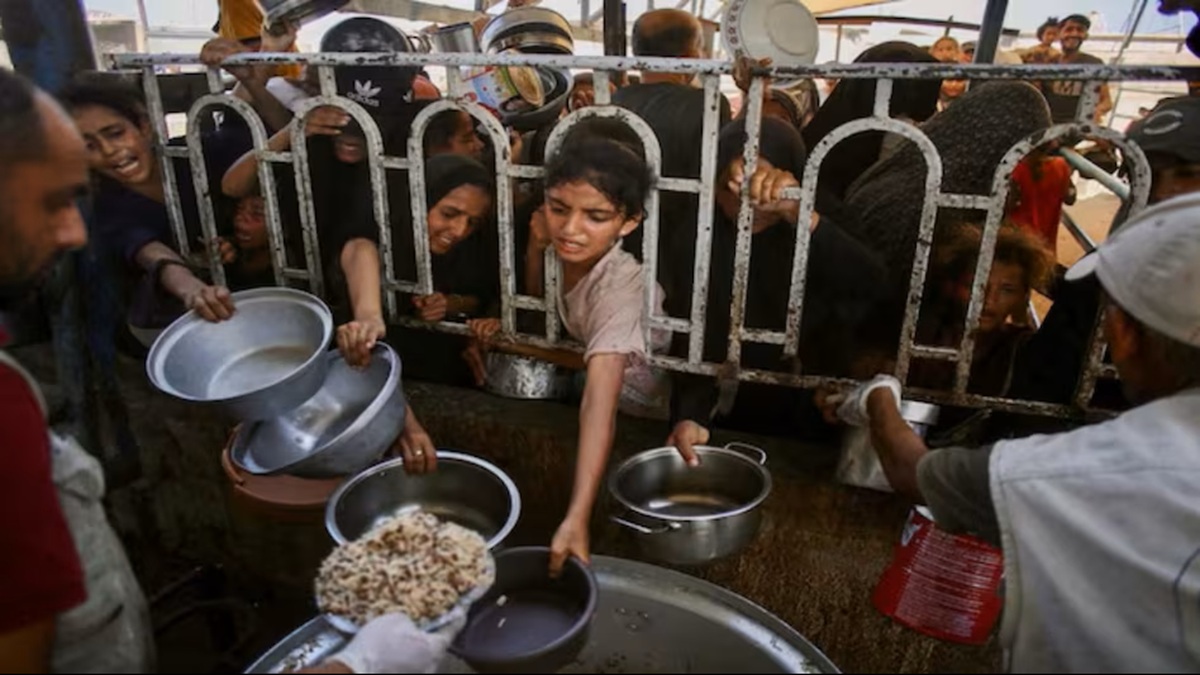
The World Food Programme has issued a stark warning that an additional 45 million people worldwide could be pushed into acute hunger if the ongoing conflict in the Middle East continues, underscoring the fragile state of global food security and the far reaching consequences of geopolitical instability.
According to the agency, the projected surge would add to an already alarming figure of more than 318 million people currently facing acute food insecurity across multiple regions. The warning reflects growing concerns that the war is not only a humanitarian crisis in its immediate region but also a major disruptor of global food systems, trade flows, and economic stability.
The Middle East plays a critical role in global energy markets, and the conflict has already driven a sharp rise in oil and gas prices. Higher energy costs are translating directly into increased expenses for food production, transportation, and storage. Fertiliser production, which is energy intensive, is also being affected, pushing up input costs for farmers worldwide. These cascading effects are expected to increase food prices globally, making basic staples less affordable for millions of vulnerable households.

Beyond energy, the conflict is also impacting key trade routes that are essential for the movement of goods. Shipping disruptions in strategic corridors have slowed the flow of agricultural commodities, while rising insurance and freight costs are further inflating prices. For countries that rely heavily on food imports, particularly in Africa and parts of Asia, these disruptions could translate into immediate shortages and increased pressure on already strained economies.
The WFP has highlighted that food insecurity is rarely driven by a single factor. Instead, it is the result of a combination of conflict, economic instability, climate shocks, and structural vulnerabilities. The current situation in the Middle East adds another layer of stress to a global system that is already under pressure from climate change related droughts, floods, and extreme weather events that have affected agricultural production in multiple regions.
Countries already facing fragile food systems are expected to bear the brunt of the crisis. In parts of sub Saharan Africa, where millions depend on imports and humanitarian assistance, rising prices could significantly worsen living conditions. Similarly, regions experiencing conflict or economic instability may see an acceleration in hunger levels as governments struggle to absorb the shock of higher food and fuel costs.
The warning also raises concerns about the potential for secondary effects, including increased migration, social unrest, and political instability. Historically, spikes in food prices have been linked to protests and unrest in several parts of the world. As household purchasing power declines, the risk of such outcomes increases, particularly in countries with limited social safety nets.
Humanitarian agencies are already under pressure to respond to existing crises, and the prospect of tens of millions more people requiring assistance could stretch resources to breaking point. Funding gaps remain a persistent challenge for organisations like the World Food Programme, which relies on voluntary contributions from governments and donors to sustain its operations. An expansion in the number of people in need would require a significant increase in financial support at a time when global economic conditions remain uncertain.
The WFP has called for urgent diplomatic efforts to de escalate the conflict, emphasising that resolving the crisis is critical not only for regional stability but also for global food security. The agency has also urged governments to avoid export restrictions on food commodities, which can exacerbate shortages and drive prices even higher in international markets.

In addition, there are calls for increased investment in resilient food systems, including support for local agricultural production, improved storage infrastructure, and more efficient supply chains. Strengthening these systems could help mitigate the impact of global shocks and reduce dependence on volatile international markets.
The current warning serves as a reminder of how interconnected the global economy has become. Events in one region can quickly ripple across continents, affecting food availability, prices, and livelihoods far beyond the immediate zone of conflict. As the situation unfolds, the scale of the potential humanitarian impact underscores the urgency of coordinated international action to prevent a worsening crisis.
While projections remain subject to change depending on how the conflict evolves, the message from the World Food Programme is clear: without swift intervention and stabilisation, millions more people could be pushed into hunger, deepening one of the most pressing global challenges of the current era.
Ghana’s food insecurity hits 38.1% as over 13 million people face hunger risks – GSS