


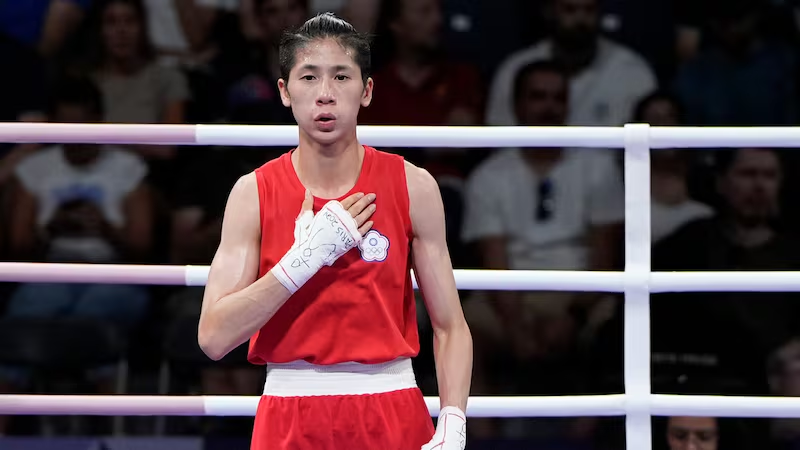
Olympic gold medalist Lin Yu-ting has been cleared to return to international boxing competitions following a review of her sex eligibility under updated rules introduced by the sport’s governing body. The decision marks the end of months of uncertainty for the Taiwanese boxer, who had been absent from major competitions since the introduction of new eligibility policies in 2025.
The clearance was confirmed by World Boxing, the organization currently overseeing Olympic-style boxing, after an appeal submitted by the Chinese Taipei Boxing Association (CTBA). Lin is now eligible to compete in the women’s category at upcoming events, including the Asian Boxing Championships scheduled to take place in Mongolia from March 29 to April 10.
Lin Yu-ting, who won a gold medal in the women’s featherweight division at the 2024 Paris Olympic Games, became a central figure in a broader debate over gender eligibility in sports. During the Paris Olympics, she and Algeria’s Imane Khelif were at the center of public scrutiny despite both athletes having met the eligibility requirements set by the International Olympic Committee (IOC) at the time.
Background to the eligibility dispute
The controversy surrounding Lin’s eligibility dates back to 2023, when she was disqualified from the World Championships organized by the International Boxing Association (IBA). That decision, along with similar rulings affecting other athletes, sparked criticism and debate over the transparency and fairness of the testing methods used. The IOC later distanced itself from those decisions, describing them as lacking due process and credibility.

Following governance concerns, the IOC stripped the IBA of its Olympic authority, leading to the emergence of World Boxing as the new governing body for Olympic-level boxing. Under its leadership, new eligibility policies were introduced, including mandatory genetic sex testing for athletes competing in women’s divisions.
These policies were designed to ensure what the organization describes as safety and sporting integrity in competition. The rules require athletes to undergo testing intended to determine eligibility for gender categories, though the specifics of individual cases are typically not disclosed publicly.
Appeal and review process
Lin’s clearance comes after an official appeal process initiated by her national federation. World Boxing confirmed that the review was conducted according to its established procedures and that Lin met the criteria to compete in the women’s category.
While the governing body did not publicly disclose the detailed results of the review, it emphasized that the athlete is now eligible for participation in sanctioned events. The decision effectively restores Lin’s ability to compete internationally after a prolonged period of inactivity at the elite level.
The Chinese Taipei Boxing Association welcomed the outcome, describing it as a significant relief for the athlete and her team. The ruling allows Lin to resume her career at a time when she remains one of the most prominent figures in women’s boxing.
Return to competition
Lin’s return is expected to take place at the upcoming Asian Boxing Championships, where she will rejoin international competition for the first time since her Olympic triumph in Paris. The tournament is seen as an important stage for elite amateur boxers in the region and will provide a key test of her form following her extended absence.

Her comeback also comes at a time when debates over eligibility rules continue to shape discussions within the sport. Since 2025, World Boxing has implemented standardized testing protocols aimed at clarifying participation criteria for male and female categories. These measures have been both supported and criticized across the global sporting community.
Broader implications for boxing
The decision to clear Lin Yu-ting highlights ongoing tensions between evolving scientific, ethical, and regulatory approaches to gender classification in sports. While governing bodies aim to maintain fairness and safety, the implementation of testing policies has raised questions about privacy, inclusion, and competitive equity.
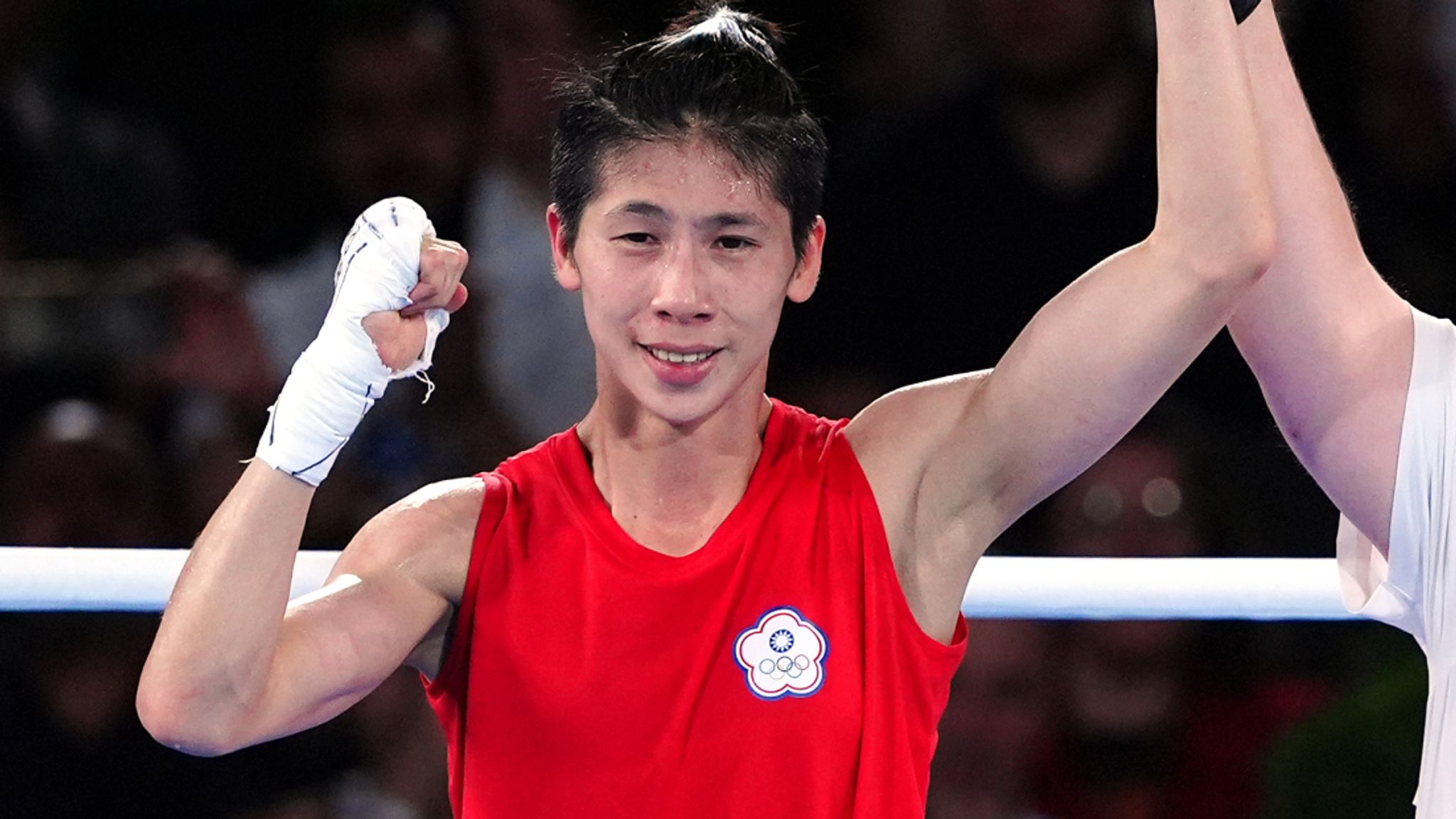
Lin’s case, alongside that of other athletes who have faced similar scrutiny, underscores the complexity of applying uniform eligibility standards across international competitions. It also reflects a broader shift in Olympic sports governance, where new organizations and policies are reshaping how athletes qualify and compete.
With her eligibility now confirmed, Lin Yu-ting is poised to resume her international career and potentially compete in future global championships and Olympic cycles. Her return will likely continue to attract attention, both for her athletic performance and for the wider conversation surrounding gender policies in sport.
As boxing continues to adapt to new governance structures and eligibility frameworks, cases like Lin Yu-ting’s are expected to remain central to discussions about how best to balance fairness, inclusion, and competitive integrity in elite athletics.