

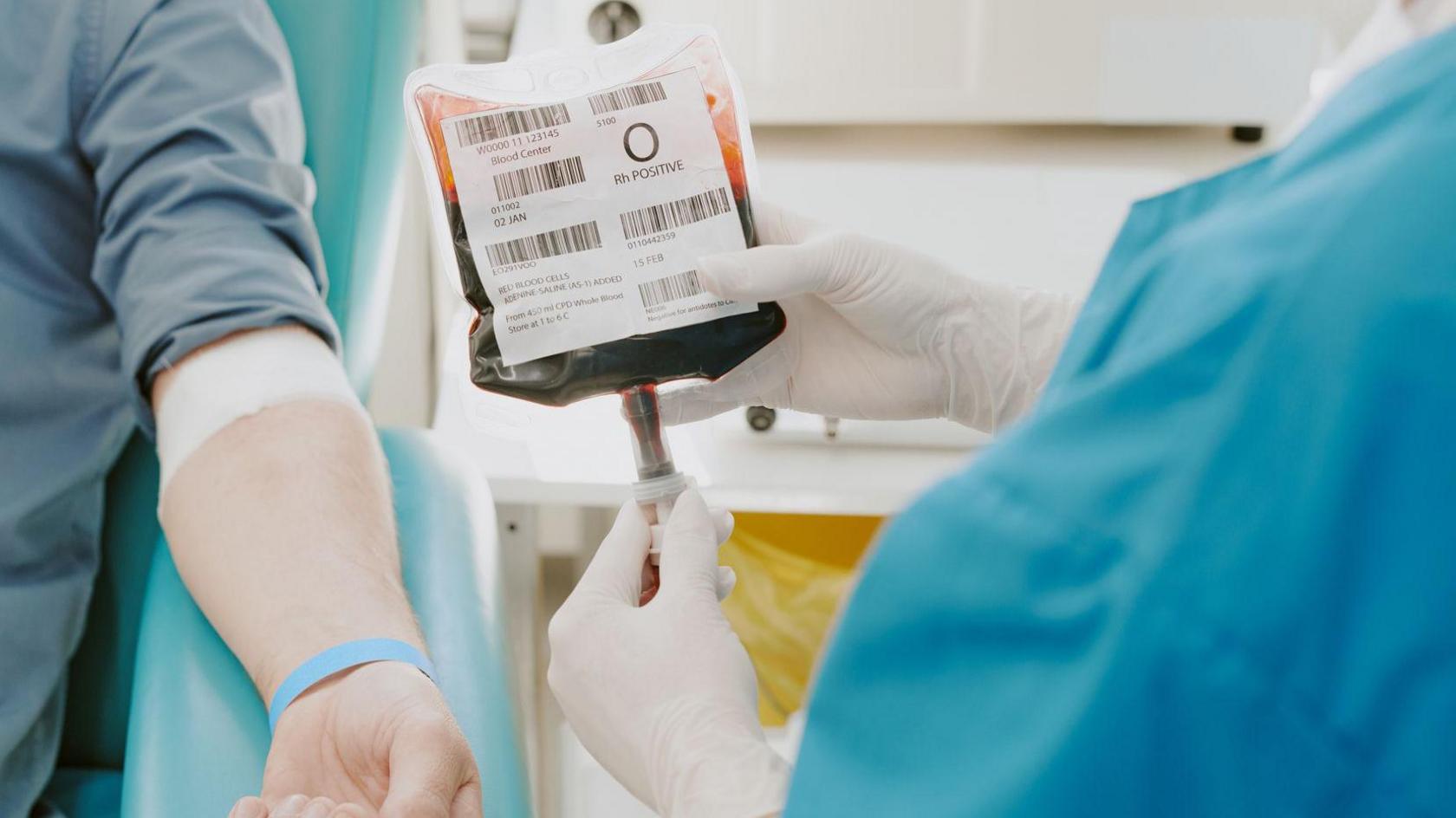
In a significant development for both religious practice and medical ethics, Jehovah’s Witnesses have updated their long-standing doctrine on blood transfusions, introducing a limited but notable shift after more than seven decades of strict prohibition. The new guidance allows members to make a personal decision regarding the use of their own blood in certain medical procedures, particularly when it is drawn, stored, and later reinfused.
The change, described by the denomination’s leadership as a “clarification,” marks the first meaningful adjustment to a policy that has been central to the identity of Jehovah’s Witnesses since the mid-20th century.
Background A 75-Year Doctrine Rooted in Scripture
Jehovah’s Witnesses have historically rejected blood transfusions based on their interpretation of biblical passages that instruct believers to abstain from blood. This interpretation extends beyond dietary restrictions to include medical procedures involving the transfer of blood.
Since formally adopting the policy in 1945, members have refused transfusions of whole blood and its primary components including red cells, white cells, platelets, and plasma even in life-threatening situations. The doctrine has been strictly enforced, with acceptance of transfusions potentially leading to disciplinary consequences, including expulsion from the religious community.

While some medical procedures involving blood fractions or continuous circulation techniques have been left to individual conscience, preoperative storage of one’s own blood for later use had remained explicitly prohibited until now.
What has changed
Under the updated policy, Jehovah’s Witnesses may now personally decide whether to allow their own blood to be removed, stored, and later returned during medical procedures.
This practice, known medically as autologous blood transfusion, involves collecting a patient’s blood ahead of a procedure and reinfusing it if needed. Medical experts note that this method reduces the risk of immune reactions and eliminates the possibility of transmitting infections from donor blood.
Crucially, the organization has emphasized that this decision is now a matter of individual conscience rather than a universal prohibition. This aligns with previous doctrinal developments that allowed members to exercise personal judgment in certain medical treatments involving blood derivatives.
However, the broader ban on receiving blood from other individuals remains firmly in place, preserving what is widely considered one of the religion’s most distinctive and controversial teachings.
Medical and Ethical Implications
The policy shift is expected to have meaningful implications for healthcare providers who treat Jehovah’s Witness patients. Historically, doctors have faced complex ethical and legal dilemmas when patients refused life-saving transfusions.

By permitting the use of stored personal blood, the updated guidance may expand treatment options, particularly for planned surgical procedures where blood loss can be anticipated. It could also reduce some of the risks associated with severe anemia and surgical complications.
Nevertheless, medical experts caution that autologous blood donation is not without its own risks. Drawing blood in advance can lower a patient’s blood count, potentially leading to anemia before surgery.
Reactions and Ongoing Debate
The announcement has generated mixed reactions. Some observers and former members view the change as a positive step that reflects a gradual adaptation to modern medical practices. Others argue that it does not go far enough, as the continued ban on donor blood transfusions may still place members at risk in emergency situations.
Critics have long contended that the policy has contributed to preventable deaths, particularly in cases involving trauma, childbirth complications, or serious illnesses requiring repeated transfusions.
At the same time, the organization maintains that its core belief regarding the sanctity of blood remains unchanged. Leaders stress that the update does not represent a doctrinal reversal but rather a clarification based on the absence of explicit biblical guidance concerning the use of one’s own blood.
A subtle but significant turning point
With more than nine million adherents worldwide, Jehovah’s Witnesses remain one of the few religious groups to maintain a strict stance against blood transfusions.

This latest development signals a cautious evolution rather than a complete transformation of doctrine. By allowing individual choice in the use of stored personal blood, the organization appears to be navigating a complex intersection of faith, medical science, and personal autonomy.
Whether this change will lead to further adjustments in the future remains uncertain. For now, it represents a carefully measured shift in a policy that has defined the religious and medical identity of Jehovah’s Witnesses for generations.