


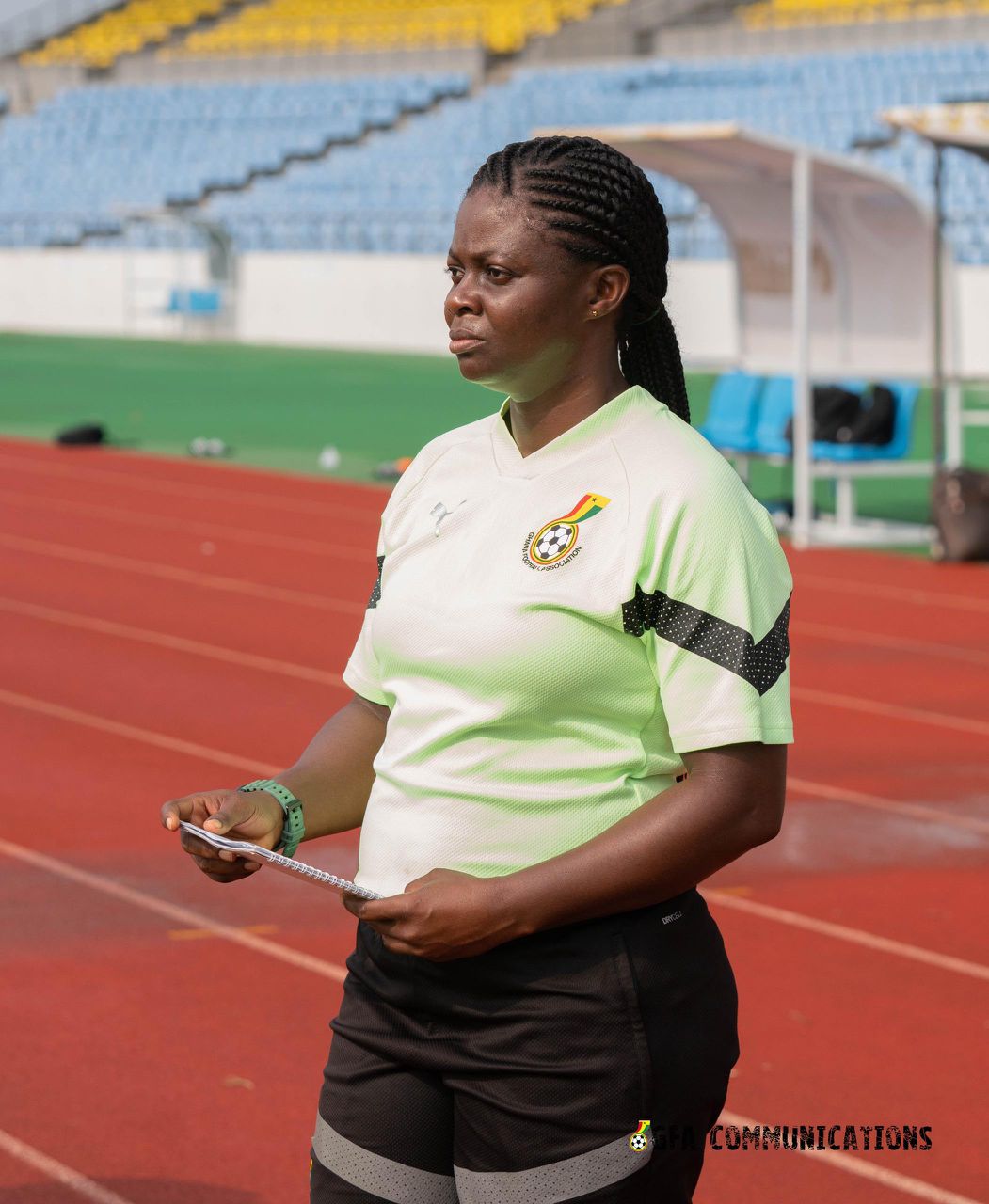
In a significant step aimed at increasing female representation in football leadership, the Fédération Internationale de Football Association (FIFA) has approved a new regulation that requires every team participating in its women’s competitions to include a woman either as head coach or assistant coach, marking a strong push toward gender equality and structured development in the women’s game. The decision, approved by the FIFA Council, has stunned the global football community and will apply immediately to all future FIFA women’s tournaments, including youth level events like the U‑17 and U‑20 Women’s World Cups as well as senior competitions such as the Women’s Champions Cup and the flagship Women’s World Cup in Brazil next year.
Under the new rules, teams must appoint at least two female staff members to their technical bench, with one of those roles being either head coach or assistant coach. This landmark shift was outlined by FIFA Chief Football Officer Jill Ellis, who stressed that the game urgently needs to expand opportunities for women in coaching roles, noting that there are simply not enough women in these positions today and that targeted action is required to accelerate meaningful change.
The push comes against the backdrop of persistent gender imbalances within the coaching ranks of international football. At the 2023 FIFA Women’s World Cup, for example, only 12 of the 32 participating teams were led by female head coaches — a statistic that highlighted the scale of the representation gap. FIFA’s own data shows that women currently account for a small fraction of coaches globally, with women making up only about five percent of all coaches across member associations.

FIFA’s historic ruling is part of a broader strategy that goes beyond simply mandating staffing structures. The governing body has also committed to supporting coach education and professional development programs aimed at preparing more women for top technical roles. These include scholarships, licensing support, and mentorship pathways designed to create clearer professional channels for women seeking careers in high‑level coaching.
The announcement has sparked a mix of support and debate within the football world. Advocates for the policy argue that mandating female representation will help break entrenched barriers in a sport long dominated by male leadership, ensuring that women are not only visible but influential in shaping the women’s game. They point to the rapid growth of women’s football globally, both in terms of popularity and commercial opportunity, and contend that diversity in coaching staff can only strengthen the sport’s foundations and inspire future generations of female coaches and players.
“This is an important investment in both the current and future generations of female coaches,” FIFA said in its official statement, emphasising that the combined regulations and development programs are aimed at nurturing long term change rather than short‑term compliance.
In regions where women’s football is already thriving, such as Europe and parts of Africa, the new rule may accelerate existing trends and push national associations and clubs to reassess their technical staffs. Football leaders like England coach Sarina Wiegman have previously highlighted the need for more women in coaching, while international managers have called attention to the structural hurdles that female professionals face.
Countries with established female coaches may adapt quickly to the new rules, but others may need to accelerate recruitment and training efforts to meet the minimum requirements. For example, in national teams where male dominance in coaching has historically been the norm, the mandate represents a fundamental shift in hiring practices. In places like Nigeria, where the senior women’s team and other age grade teams are typically coached by men, associations will now need to ensure women are included in technical roles to remain compliant with FIFA regulations.

Critics have also raised questions about how quickly football governing bodies can adapt given the current pipeline of qualified female coaches. Some argue that larger structural investments, such as training programs and grassroots coaching incentives, should accompany the rule to ensure quality and sustainability rather than mere box‑ticking. Others suggest that focusing only on representation without addressing broader systemic issues may not fully resolve the coaching gap.
Despite these debates, FIFA’s ruling marks a clear signal that promoting gender equality in football leadership is no longer optional. With the rule already in effect for upcoming tournaments and enforced across national and club competitions globally, federations and clubs will need to respond swiftly to align their technical teams with the new standards. The mandate represents a landmark moment in the history of women’s football — one that could reshape coaching cultures and pave the way for a more inclusive and dynamic era for the sport.
As the women’s game continues to grow in competitiveness and visibility worldwide, creating pathways for women to lead from the sidelines is seen by many as essential not just for fairness but for the continued evolution of the sport. Whether this policy will achieve its intended long‑term impact will depend on implementation, support from member associations, and the sustained development of women in coaching careers at all levels.
FIFA rankings updated after AFCON: Senegal break into World’s Top 12