


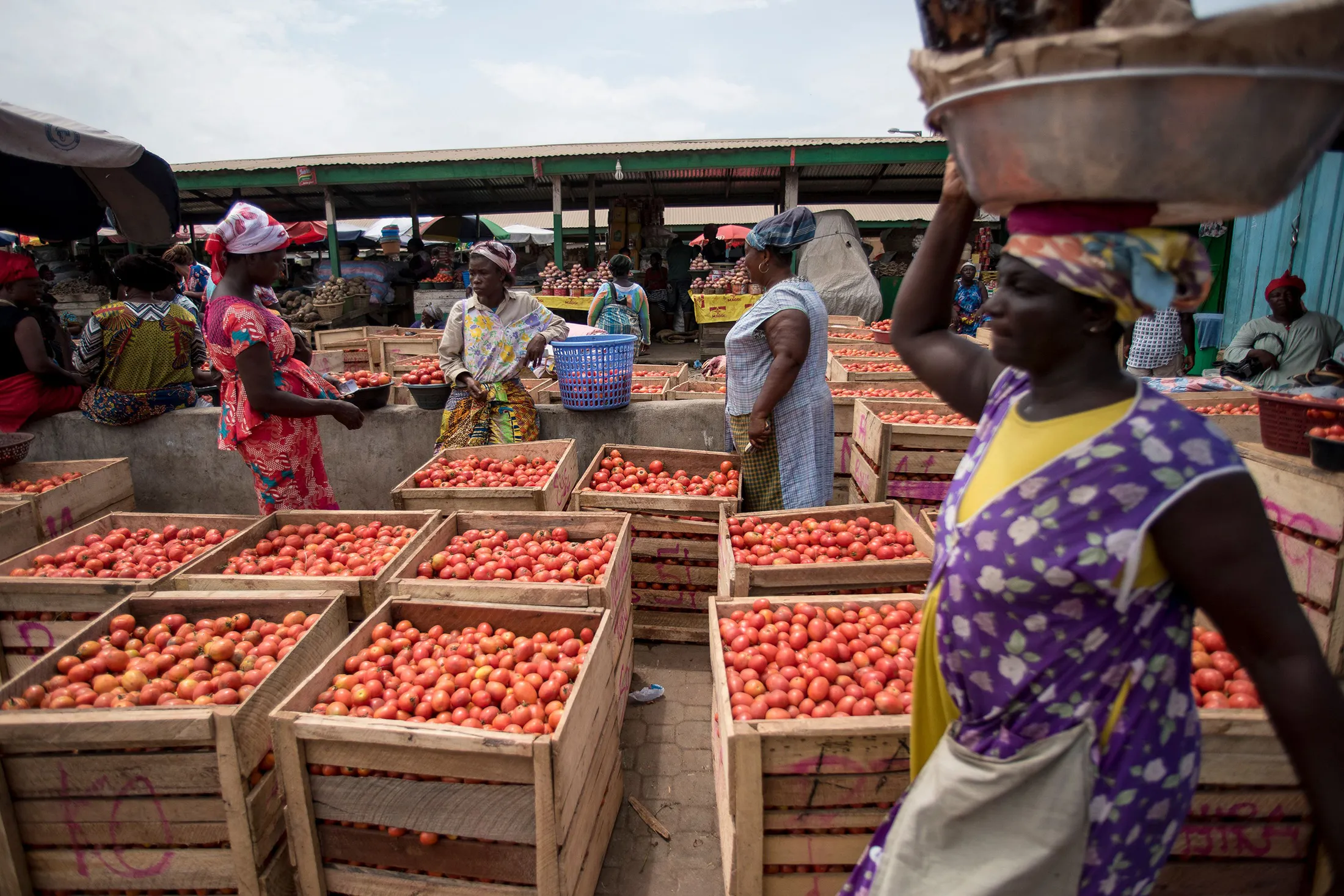
Burkina Faso has announced a nationwide suspension of fresh tomato exports “until further notice,” a decisive policy shift aimed at strengthening domestic agro-processing and ensuring greater value retention within the country’s agricultural sector. The move, confirmed by government authorities in Ouagadougou, reflects a broader strategy to boost local industry, reduce dependency on raw commodity exports, and stabilize domestic supply chains.
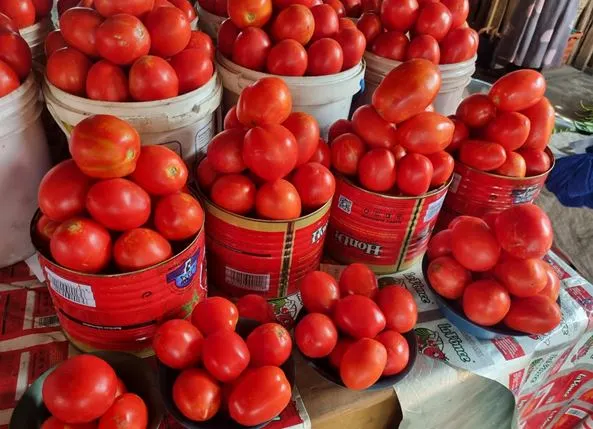
The directive, jointly issued by key ministries including trade and agriculture, immediately halts the export of fresh tomatoes across all official channels. Authorities have also suspended the issuance of Special Export Authorisations, effectively closing the door on formal cross-border trade in the commodity. Traders who already hold valid permits have reportedly been given a limited window to complete ongoing transactions before the restrictions take full effect.
At the heart of the decision is the government’s ambition to accelerate domestic processing capacity. Officials say diverting fresh tomatoes to local factories will support the growth of agro-industrial enterprises, create jobs, and enhance food security. In recent years, Burkina Faso has made targeted investments in tomato processing facilities, including modern plants capable of producing tomato paste and other value-added products for both domestic consumption and export markets.
By prioritising local processing, the government aims to capture more economic value from its agricultural output. Instead of exporting raw produce at relatively low prices, the country seeks to develop a more robust value chain that includes processing, packaging, and distribution. This approach aligns with a growing trend across West Africa, where governments are increasingly pursuing policies that encourage industrialisation and reduce reliance on imports of processed goods.
The suspension is also expected to have significant regional implications, particularly for neighboring countries such as Ghana, which relies heavily on Burkina Faso for tomato supplies. Cross-border tomato trade has long been a critical component of food distribution in the region, with traders frequently traveling between the two countries to meet demand in urban markets.

In Ghana, the decision is already raising concerns about potential shortages and price increases. Market analysts warn that the disruption could strain supply chains, especially in major commercial hubs where imported tomatoes from Burkina Faso play a key role in stabilizing prices. The situation may force traders to seek alternative sources or increase reliance on local production, which has historically struggled to meet demand year-round.
The policy shift comes against the backdrop of broader challenges in the Sahel region, including security concerns that have disrupted agricultural trade routes. Recent incidents involving attacks on traders have highlighted the risks associated with cross-border commerce, further complicating an already fragile supply system.
To ensure compliance with the new directive, Burkinabè authorities have deployed security agencies, border officials, and technical services to monitor enforcement. The government has warned that any violations will attract sanctions under existing laws, with seized tomato consignments redirected to local processing facilities. Citizens have also been encouraged to report breaches through designated channels, underscoring the seriousness of the policy.

While the immediate impact of the export ban may be disruptive, policymakers in Burkina Faso appear focused on long-term gains. By strengthening domestic processing capabilities, the country hopes to build a more resilient agricultural sector that can withstand external shocks and generate sustainable economic growth.
However, the success of the policy will depend on the capacity of local processing industries to absorb the redirected supply and maintain efficiency. If well implemented, the initiative could position Burkina Faso as a regional leader in agro-processing, transforming tomatoes from a basic agricultural commodity into a key driver of industrial development.
For the wider West African region, the decision highlights the delicate balance between national economic priorities and regional trade integration. As countries seek to maximise the benefits of their natural resources, policies such as export restrictions may become more common, potentially reshaping traditional trade dynamics.
In the coming months, attention will be focused on how Burkina Faso manages the transition and whether the policy delivers the intended economic benefits. At the same time, neighboring countries will be watching closely, as they adjust to the new realities of a shifting agricultural trade landscape.