

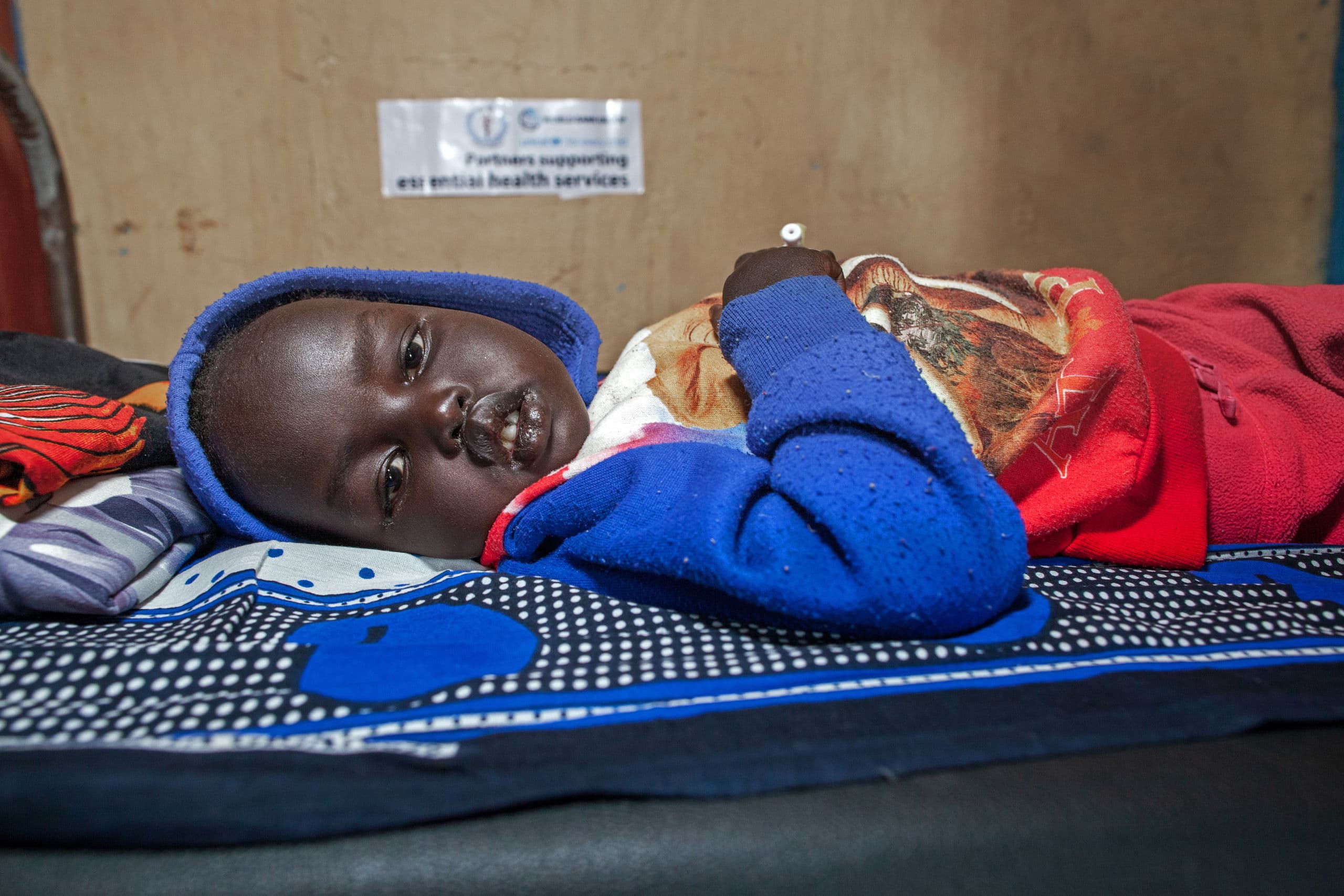
Progress in reducing child mortality across Africa is losing momentum, with an estimated 4.9 million children dying before their fifth birthday in 2024, according to new data released by the World Health Organization. The figures highlight a troubling slowdown in global and regional efforts to improve child survival, even as many of the leading causes of death remain preventable.
Of the total number of deaths recorded, approximately 2.3 million occurred within the first month of life, underscoring the persistent vulnerability of newborns. These early deaths are often linked to complications such as premature birth, birth asphyxia and infections, conditions that can largely be addressed through timely and effective medical care.
The data reflects a broader global challenge but carries particular urgency for African countries, where health systems continue to face structural constraints including limited funding, shortages of skilled health workers and gaps in access to essential services. While significant gains were made in past decades, especially under global development initiatives, the pace of improvement has slowed in recent years.
Health experts point out that the majority of these deaths could be prevented through relatively simple and cost effective interventions. These include access to skilled birth attendants, routine immunisation, proper nutrition, clean water and sanitation, and early diagnosis and treatment of common childhood illnesses such as pneumonia, diarrhoea and malaria.

The slowdown comes at a time when global health systems are still recovering from the long term impacts of the COVID 19 pandemic, which disrupted routine healthcare services and strained already fragile systems. In many regions, vaccination campaigns were delayed, maternal care services were interrupted and healthcare resources were diverted, contributing to setbacks in child health outcomes.
Organisations such as UNICEF have warned that without renewed investment and political commitment, progress could stall further or even reverse. The challenge is not only to sustain existing interventions but to scale them effectively in underserved and high risk communities.
In sub Saharan Africa, where the burden of child mortality remains highest, inequalities in access to healthcare continue to play a major role. Rural and low income populations are disproportionately affected, with limited access to health facilities, trained personnel and essential medicines. Addressing these disparities is seen as critical to accelerating progress.
Another key factor is maternal health. The health of mothers before, during and after pregnancy directly influences child survival outcomes. Strengthening maternal healthcare services, including antenatal and postnatal care, is therefore central to reducing both neonatal and under five mortality rates.
Despite the challenges, there have been notable successes. Increased vaccination coverage in certain regions, improved malaria prevention strategies and expanded community health programmes have contributed to declines in specific causes of death. However, experts stress that these gains need to be scaled up and sustained through consistent funding and policy support.

The latest figures serve as a reminder that while medical knowledge and solutions exist, the gap lies in implementation and access. Bridging this gap will require coordinated efforts from governments, international organisations and local communities, alongside increased investment in healthcare infrastructure and workforce development.
Africa’s growing population adds another layer of urgency to the issue. With millions of births each year, even small improvements in healthcare delivery can translate into significant reductions in child mortality. Conversely, stagnation or decline in health system performance can have widespread consequences.
The World Health Organization emphasises that accelerating progress will depend on strengthening primary healthcare systems, improving data collection and ensuring that proven interventions reach the most vulnerable populations. Without decisive action, millions of preventable deaths could continue to occur each year.
The report ultimately reinforces a clear message that the tools to save lives already exist, but the challenge lies in delivering them effectively and equitably across all regions.