

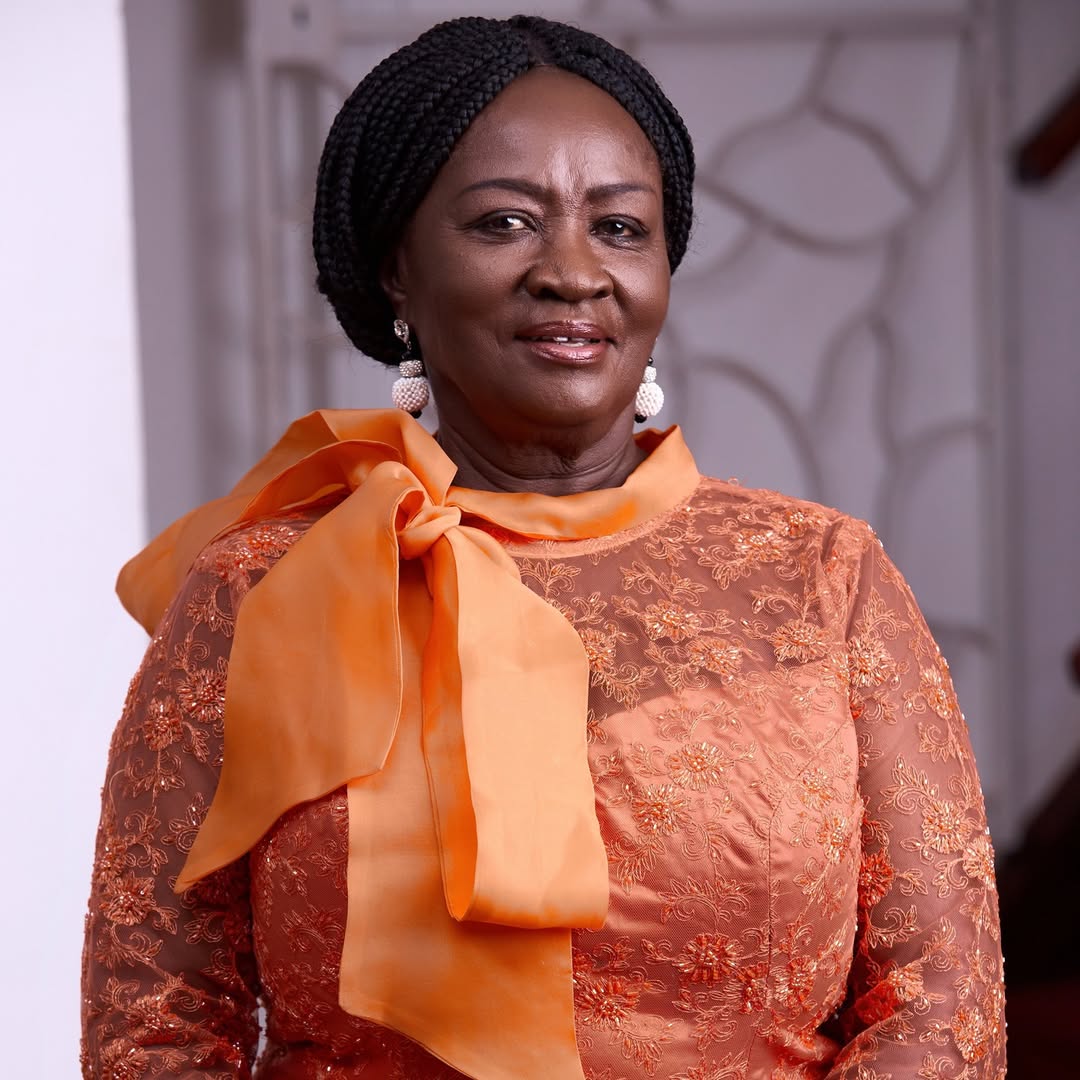
Naana Jane Opoku-Agyemang, Vice President of Ghana, has called on women across the country to actively mentor younger women as part of broader efforts to strengthen leadership, confidence and opportunities for future generations. Her remarks highlight the importance of solidarity among women and the role mentorship can play in breaking barriers in leadership and professional spaces.
The Vice President made the call during a workshop organised by the Presidency to commemorate this year’s International Women’s Day. The event brought together women from various sectors to discuss issues of gender equality, empowerment and leadership development.
Addressing participants, Prof. Opoku-Agyemang emphasised that women who have attained positions of leadership and influence have a responsibility to support and guide younger women. According to her, mentorship is an important tool for nurturing confidence, building skills and ensuring that more women rise to leadership roles across society.
She urged women to reflect on how they could help others advance rather than pursuing success in isolation. The Vice President noted that many women often describe leadership as “lonely at the top,” but she argued that this perception can change if women deliberately bring others along on their journeys.
“What are we doing to bring others along?” she asked participants, encouraging women to create opportunities for those who aspire to leadership and professional growth.
Prof. Opoku-Agyemang also highlighted the long-standing contributions of women to society, noting that women have historically played vital roles in both the formal and informal sectors of national development. From family leadership and community organisation to professional and academic achievements, women have continuously contributed to social and economic progress.

She pointed out that in many communities, women have never had the luxury of disengaging from work or responsibility, as they often balance multiple roles in family life, economic activity and community leadership. These contributions, she noted, deserve recognition and greater institutional support.
The Vice President further stressed the importance of examining cultural and educational narratives that shape perceptions about women’s roles in society. She indicated that the way societies interpret history, culture and knowledge can influence how women’s contributions are valued or overlooked.
According to her, there is a need to rethink how educational curricula and intellectual traditions portray women and their achievements. By doing so, she explained, societies can build more inclusive narratives that acknowledge women’s historical and contemporary roles across all professions.
Prof. Opoku-Agyemang noted that a closer look at culture and history reveals that women have participated in virtually every field of human activity. From governance and trade to education, agriculture and the arts, women have consistently demonstrated their ability to contribute meaningfully to national development.

She therefore encouraged women to support one another and create networks that empower emerging leaders. Mentorship, she said, can provide young women with guidance, encouragement and the confidence needed to pursue leadership roles in fields where they have historically been underrepresented.
Her remarks align with broader national and global conversations about gender equality and inclusive leadership. Across many countries, policymakers and development organisations are increasingly recognising the importance of mentorship programmes, leadership training and support networks for women.
As Ghana’s first female Vice President, Prof. Opoku-Agyemang’s advocacy for women’s empowerment carries symbolic and practical significance. She assumed office in January 2025, marking a historic milestone in the country’s political development and representing an important step forward in gender representation in leadership.

Throughout her career, she has been widely recognised for promoting education, leadership development and gender equality. Before entering national politics, she served as Minister for Education and earlier made history as the first female Vice-Chancellor of a public university in Ghana at the University of Cape Coast.
Her call for mentorship reflects a broader vision of leadership that prioritises collaboration, empowerment and inclusivity. By encouraging women to guide and uplift one another, she believes more women will be empowered to pursue leadership opportunities and contribute to national progress.
The Vice President concluded by urging women to remain committed to building supportive networks that nurture future leaders. Through mentorship, collaboration and mutual support, she said, women can create pathways for the next generation to succeed and thrive.