

Ghana has taken another significant step toward strengthening its energy infrastructure and advancing its clean energy agenda with the commissioning of a new liquefied petroleum gas (LPG) vessel aimed at improving the supply and distribution of cleaner fuel across the country and the wider West African region.
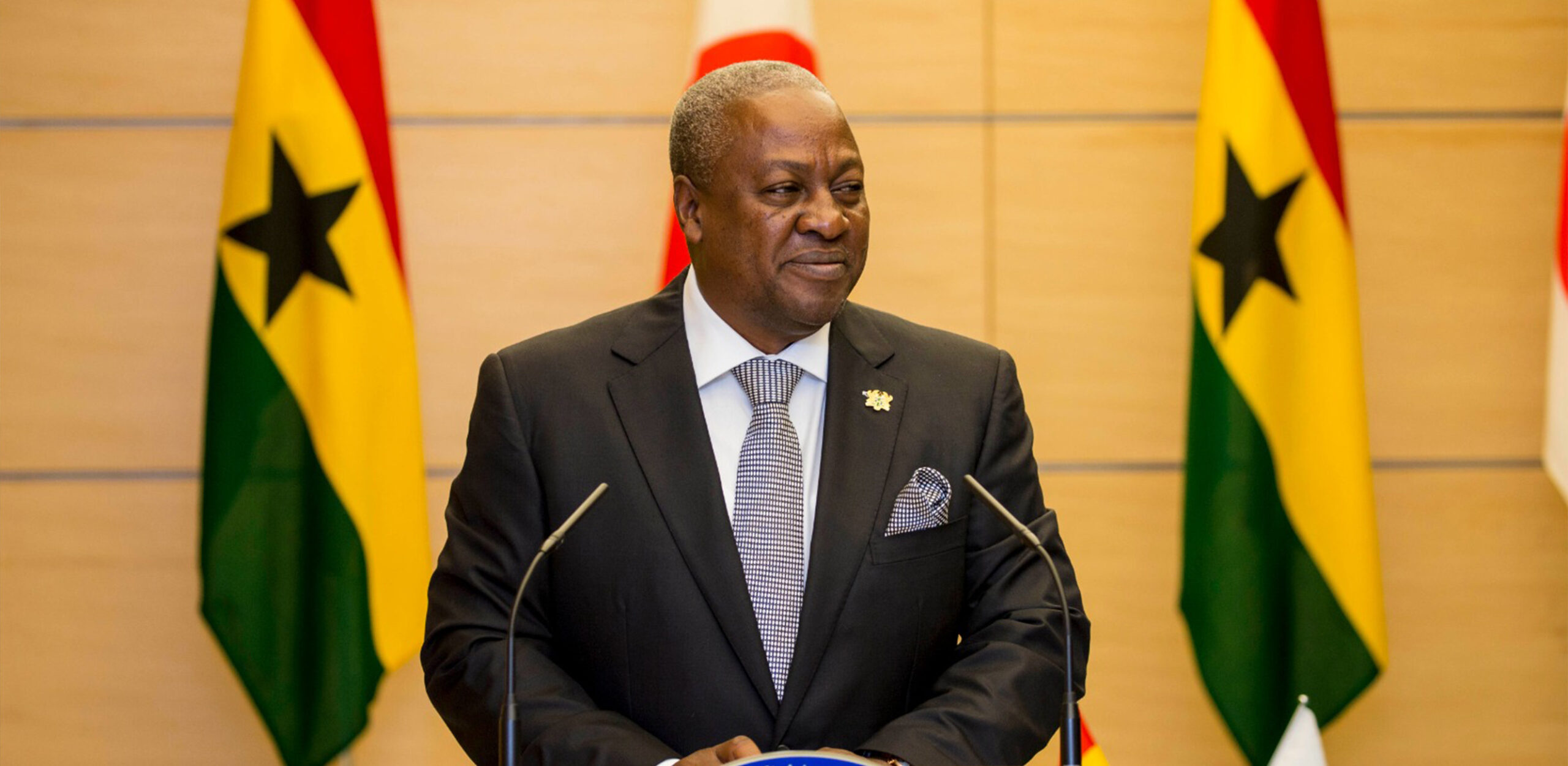
President John Dramani Mahama announced that the vessel represents an important milestone in Ghana’s efforts to transition to cleaner and more reliable energy sources while improving the efficiency of the LPG supply chain. The vessel, known as the MT Asharami Ghana, was commissioned as part of broader initiatives to enhance energy security and support the country’s long term environmental goals.
Speaking at the commissioning ceremony, the president noted that the introduction of the vessel would significantly strengthen Ghana’s capacity to transport LPG safely and efficiently. This development is expected to ensure a more reliable supply of modern energy services for households, industries and businesses, while also supporting regional energy trade within West Africa.
The vessel forms part of a wider investment strategy to improve Ghana’s petroleum and gas infrastructure while aligning with the country’s long term energy transition policies. LPG is widely regarded as a transitional fuel that provides a cleaner alternative to traditional biomass such as charcoal and firewood, which remain dominant sources of household energy in many parts of Ghana and the broader region.

Government officials say expanding access to LPG will help reduce environmental degradation caused by deforestation and indoor air pollution associated with the burning of wood fuels. It also supports Ghana’s broader commitment to building a more sustainable energy system under its national energy transition agenda.
Ghana’s Ghana National Energy Transition Framework outlines long term strategies aimed at gradually moving the country toward a low carbon energy system while maintaining economic growth and energy security. The framework includes plans to expand clean cooking solutions, increase renewable energy in the national energy mix, and develop energy infrastructure capable of supporting a modern economy.
The commissioning of the LPG vessel is expected to complement these broader national policies by improving logistics in the LPG distribution network. Reliable transportation of LPG is essential for maintaining consistent supply to bottling plants, filling stations and households across the country.
President Mahama praised the role of private sector partners in delivering the project, highlighting the collaboration between energy companies, logistics operators and international stakeholders. According to him, such partnerships are critical for building resilient energy systems capable of supporting economic development while meeting environmental targets.
He also emphasized that the project demonstrates the importance of international cooperation in expanding energy infrastructure across Africa. The new vessel is expected to serve not only Ghana but also support regional LPG supply networks, helping improve energy access in neighbouring countries.
Energy analysts say investments in LPG infrastructure are particularly important as Ghana continues to expand its downstream petroleum sector and modernize its energy value chain. Improved storage, transportation and distribution capacity can help stabilize supply, reduce costs and encourage greater adoption of cleaner fuels.
In recent years, the government has introduced several policies aimed at increasing LPG consumption while improving safety and efficiency across the sector. These include reforms to the LPG distribution model, expansion of bottling plants, and initiatives to strengthen local manufacturing of gas cylinders.
Efforts are also underway to revitalize local manufacturing capacity for LPG cylinders through partnerships between the Ghana Cylinder Manufacturing Company, energy sector institutions and financial partners. The initiative is intended to boost domestic production of LPG cylinders and support the country’s clean cooking strategy.

The government believes that expanding LPG usage will play a critical role in Ghana’s broader energy transition strategy. LPG is considered a practical bridge between traditional fuels and fully renewable energy systems, offering lower carbon emissions while remaining affordable and accessible for many households.
Beyond domestic benefits, the commissioning of the new LPG vessel is also expected to stimulate further investment in Ghana’s energy sector. President Mahama expressed optimism that the project would inspire additional partnerships and investments across Africa’s energy value chain.
As Ghana continues to pursue its long term energy transition goals, infrastructure projects such as the new LPG vessel are expected to play a key role in strengthening supply chains, promoting cleaner energy adoption and supporting sustainable economic growth.