


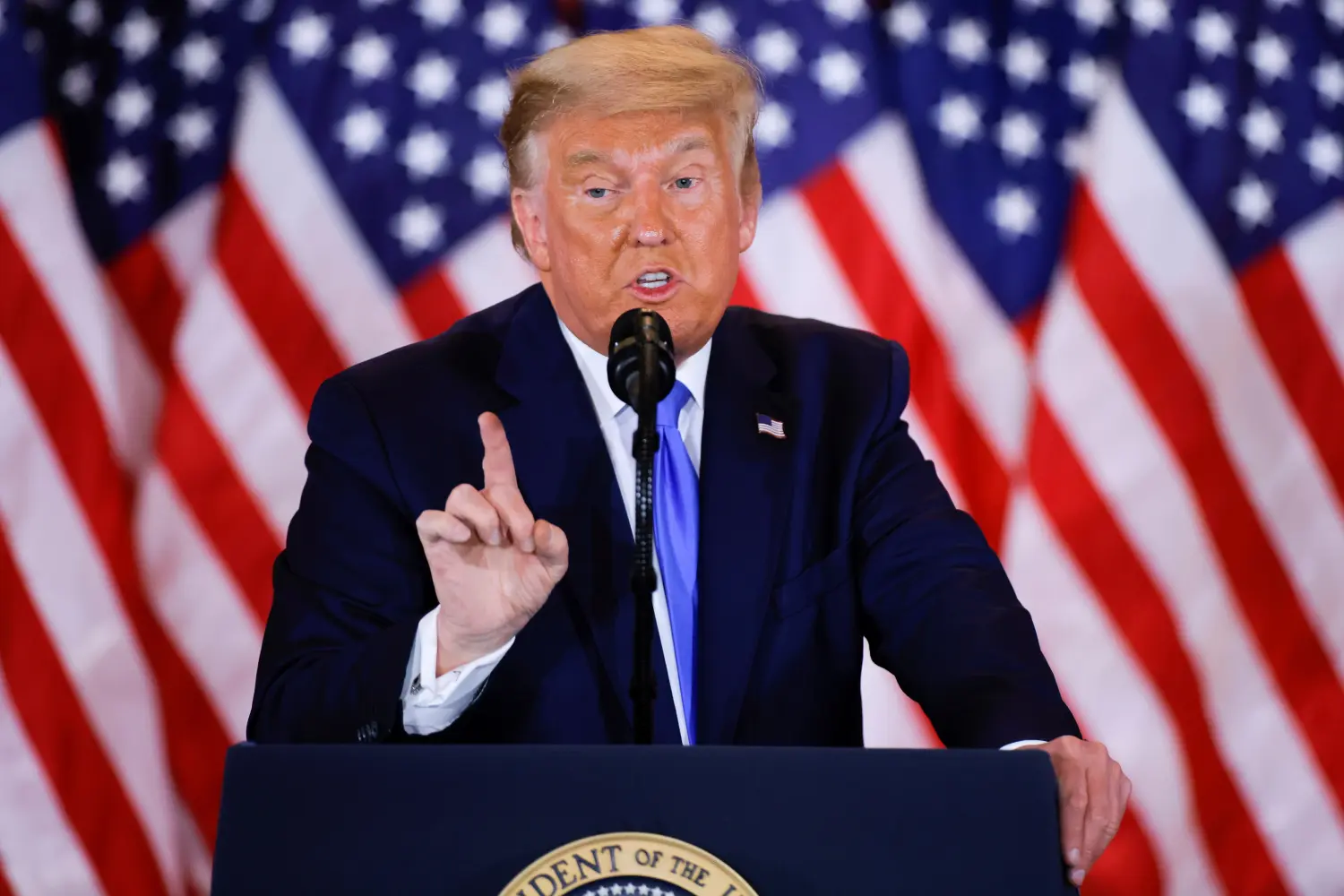
Global oil prices fell sharply after U.S. President Donald Trump attempted to calm markets by suggesting that the ongoing conflict involving Iran could soon de escalate. The remarks eased fears of prolonged supply disruptions in the Middle East, triggering a swift reversal in energy markets that had earlier surged amid escalating geopolitical tensions.
The dramatic price swing followed a period of heightened volatility caused by the conflict between the United States, Israel, and Iran. Earlier in the week, crude oil prices surged to their highest levels in several years as investors worried that the conflict could disrupt supplies from the Middle East, one of the world’s most important oil producing regions. Brent crude briefly climbed close to $120 per barrel as markets reacted to fears that shipping routes and production facilities could be affected by the war.
However, prices quickly reversed course after Trump signaled that the war might end “very soon,” suggesting that diplomatic and military developments could lead to a rapid resolution. The reassurance reduced panic among traders and investors who had been bracing for extended disruptions to global oil supply chains.
Following the comments, Brent crude fell sharply, dropping to around $94 per barrel, while the U.S. benchmark West Texas Intermediate (WTI) also declined to roughly $90 per barrel. In some trading sessions, prices slid by more than 5 percent, marking one of the steepest intraday declines in recent months.

The market reaction highlighted the sensitivity of global energy markets to geopolitical developments, particularly those involving the Middle East. The region accounts for a significant portion of the world’s crude oil exports, and any threat to transportation routes such as the Strait of Hormuz can have immediate consequences for global supply. Nearly 20 percent of the world’s oil shipments pass through the narrow waterway, making it one of the most strategically important chokepoints in the global energy system.
Analysts say the initial surge in oil prices was driven largely by fears that the conflict could lead to shipping disruptions or the closure of key export routes. Such scenarios could significantly reduce available supplies and push prices even higher. The volatility was further amplified by concerns about retaliatory measures from Iran, including potential attempts to restrict oil exports from the region.
Trump’s comments also suggested that the United States might consider easing certain oil related sanctions on major producers in order to stabilise energy markets and prevent a sharp rise in fuel prices. The possibility of additional oil supplies entering the market contributed to the downward pressure on prices.
Beyond oil markets, Trump’s remarks had an immediate effect on broader financial markets. Stock markets across Asia and other regions rebounded after several days of losses, as investors interpreted the statements as a sign that the conflict might not escalate further. Energy sensitive sectors, including transportation and manufacturing, benefited from the sudden drop in crude prices.

Despite the temporary relief, analysts warn that markets are likely to remain volatile as long as the conflict continues. Oil traders are closely monitoring developments in the region, particularly any threats to production facilities or shipping routes that could disrupt supply again.
Energy experts also caution that geopolitical shocks have historically caused large and unpredictable swings in oil prices. Even small changes in perceived risk can lead to dramatic movements in the market, especially when global inventories are tight and demand remains strong.
For now, Trump’s attempt to reassure investors has provided short term stability to energy markets. However, the outlook for oil prices remains uncertain, with traders balancing optimism about a possible de escalation against the risk that tensions in the Middle East could flare up again.