

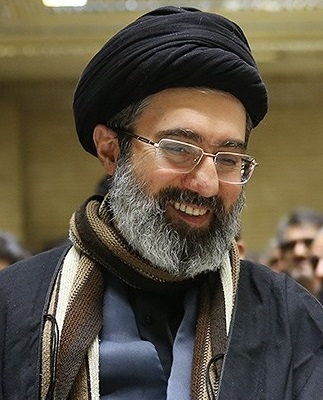
Iran has entered a new chapter in its political history following the selection of Mojtaba Khamenei as the country’s new supreme leader. His appointment came after the death of his father, Ali Khamenei, who had ruled the Islamic Republic for more than three decades before being killed in a major military escalation involving the United States and Israel in late February 2026.
The decision was made by the Assembly of Experts, an 88 member clerical institution responsible under Iran’s constitution for appointing and supervising the country’s supreme leader. After deliberations held following Ali Khamenei’s death, the body formally selected Mojtaba Khamenei to assume the position on 8 March 2026, making him the third supreme leader in the history of the Islamic Republic.

The appointment is considered historically significant because it marks the first time since the Iranian Revolution that leadership has effectively passed from father to son. Iran’s political system was founded on opposition to hereditary monarchy, and the emergence of a familial succession has sparked debate among analysts and observers about whether the country’s revolutionary principles are evolving into a more dynastic structure of leadership.
Mojtaba Khamenei, a 56 year old cleric born in the city of Mashhad, has long been considered an influential figure within Iran’s political and religious establishment. Despite never holding elected office, he played a powerful role behind the scenes during his father’s leadership and maintained strong connections with Iran’s conservative political network. He studied at the religious seminaries in the holy city of Qom and has been closely associated with the country’s clerical elite for decades.
Much of Mojtaba’s influence has been linked to his close relationship with the Islamic Revolutionary Guard Corps, the powerful military organization that plays a central role in Iran’s political and security structure. Analysts believe that support from the Revolutionary Guards and other hardline institutions played a key role in consolidating his position as the leading candidate to succeed his father.

His appointment comes during a period of intense geopolitical tension across the Middle East. The death of Ali Khamenei occurred during a widening military confrontation involving Iran, Israel, and the United States, which has led to strikes on strategic infrastructure and retaliatory attacks across the region. The conflict has significantly destabilized regional security and contributed to rising global oil prices as energy markets react to the escalating crisis.
In the days following his appointment, Iran’s political and military leadership moved quickly to pledge loyalty to the new supreme leader. Senior government officials, including members of the cabinet and military commanders, publicly expressed support for Mojtaba Khamenei, signaling a desire to maintain continuity within Iran’s ruling structure despite the upheaval caused by the recent conflict.
International reactions to the succession have been mixed. Some governments and regional groups aligned with Iran welcomed the transition as a sign of stability within the country’s leadership. However, the move has drawn strong criticism from Western governments and Israeli officials, who view Mojtaba Khamenei as a hardline figure likely to continue the confrontational policies associated with his father’s rule.
Observers also note that Mojtaba Khamenei’s leadership could shape Iran’s domestic politics in significant ways. During his father’s tenure, he was believed to have played a role in key political developments, including the management of internal dissent and the consolidation of conservative power within the state apparatus. His rise to the country’s highest office suggests that Iran’s current leadership structure will likely continue prioritizing ideological continuity and centralized authority.
At the same time, Iran faces numerous internal and external challenges. The country’s economy remains under pressure from international sanctions, while ongoing military confrontations in the region have increased political and security risks. The new supreme leader will also have to navigate domestic expectations for economic stability and governance while maintaining the ideological framework that defines the Islamic Republic.
The supreme leader in Iran holds the highest authority in the state, overseeing the military, judiciary, and key political institutions. The position also grants control over major strategic decisions, including national security, foreign policy, and the direction of Iran’s nuclear and regional strategies. As a result, Mojtaba Khamenei’s appointment will likely have significant implications not only for Iran’s internal governance but also for the broader geopolitical landscape of the Middle East.
As Iran moves forward under its new leadership, many analysts believe the country’s political trajectory will continue to reflect the priorities of the conservative establishment that has dominated the Islamic Republic for decades. Whether Mojtaba Khamenei’s leadership will reinforce continuity or introduce new strategic shifts remains a central question for regional and global observers.