


The International Monetary Fund has acknowledged that Zambia has made meaningful progress in restoring macroeconomic stability following years of economic challenges, but the institution has cautioned that the country still faces significant fiscal pressures and structural risks that could affect its long term recovery.
According to recent assessments by the IMF, Zambia has achieved notable improvements in several key economic indicators under its reform programme supported by the fund. The country has managed to stabilize public finances, strengthen international reserves, and reduce inflation while implementing reforms designed to rebuild economic credibility with investors and creditors. These developments mark an important milestone in Zambia’s efforts to recover from the severe debt crisis that led the country to default on its external debt in 2020.
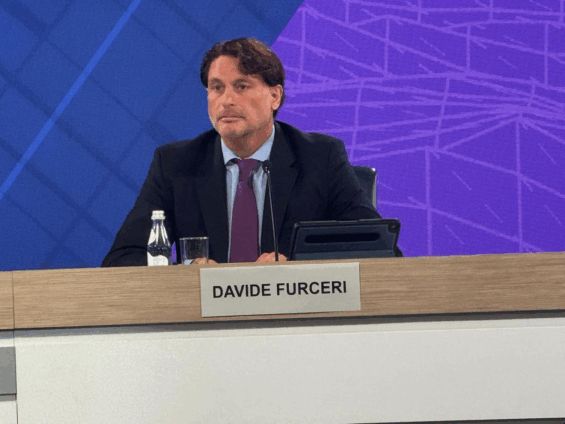
The IMF noted that Zambia’s macroeconomic environment has improved significantly in recent years. Public external debt has been largely restructured, helping to ease financial pressures and restore confidence among international lenders. At the same time, the country’s foreign exchange reserves have improved and inflation has been gradually declining, recently reaching the target band set by the Bank of Zambia.
These gains reflect the implementation of economic reforms supported by the IMF’s Extended Credit Facility programme, which began in 2022 as part of a broader strategy to restore fiscal stability and rebuild policy credibility. The programme provided approximately $1.7 billion in financial assistance to Zambia, enabling the government to stabilize the economy while advancing debt restructuring negotiations with creditors.

Zambia’s economic recovery has also been supported by improvements in economic activity across several sectors, particularly mining, agriculture, and services. As one of Africa’s largest copper producers, the country has benefited from strong global demand for copper, which plays a critical role in renewable energy technologies and electric vehicles. Increased investment in mining has helped boost export revenues and strengthen the country’s balance of payments.
Despite these improvements, the IMF has warned that Zambia still faces a number of fiscal and economic risks. One of the most significant challenges is the need to maintain fiscal discipline while supporting social spending and economic growth. Although the government has made progress in reducing macroeconomic imbalances, public debt levels remain high and the country is still considered to be at risk of debt distress.
Fiscal pressures also stem from the need to manage public expenditure carefully while addressing development priorities such as infrastructure, healthcare, and education. The government must continue to implement fiscal consolidation policies to ensure that debt remains sustainable over the medium term. According to the IMF, maintaining strong fiscal discipline will be essential to preserving investor confidence and sustaining economic recovery.
Economic growth projections for Zambia remain positive, although the IMF has slightly revised down its short term growth outlook. The country’s economy is expected to grow by around 4.5 percent in 2025 and approximately 5.5 percent in 2026, reflecting both domestic reforms and improvements in agricultural production following previous weather related disruptions.
However, the IMF emphasized that Zambia’s economic outlook could be affected by several external and domestic factors. These include fluctuations in global commodity prices, climate related risks such as droughts that affect agricultural output and hydroelectric power generation, as well as global financial conditions that influence borrowing costs for emerging economies.
Energy supply challenges have also weighed on economic performance in recent years. Electricity shortages caused by reduced hydropower generation during drought periods have affected industrial production and slowed growth in sectors outside mining. Addressing these energy constraints will be critical to sustaining economic expansion and attracting new investment.
Another key component of Zambia’s economic recovery has been progress in debt restructuring negotiations with international creditors. The country has reached agreements with several bilateral creditors and continues to engage with commercial lenders to finalize restructuring terms. Completing this process is essential for restoring long term debt sustainability and reducing financial uncertainty.
Looking ahead, Zambia is considering engaging with the IMF on a potential successor programme once the current arrangement concludes. Such a programme could help consolidate the gains achieved so far while supporting further economic reforms aimed at strengthening fiscal management, improving governance, and promoting inclusive growth.

The government has also indicated that maintaining social protection programmes remains a priority. IMF officials have stressed that fiscal consolidation efforts should continue to safeguard spending on health, education, and social services to protect vulnerable populations while implementing broader economic reforms.
Overall, the IMF’s latest assessment suggests that Zambia is on a path toward economic stabilization after a challenging period marked by debt distress and macroeconomic imbalances. However, sustaining this progress will require continued commitment to fiscal discipline, structural reforms, and prudent economic management.
If these policies are maintained, Zambia could strengthen its economic resilience, attract greater investment, and achieve more sustainable long term growth while gradually reducing the risks associated with high public debt and fiscal pressures.