


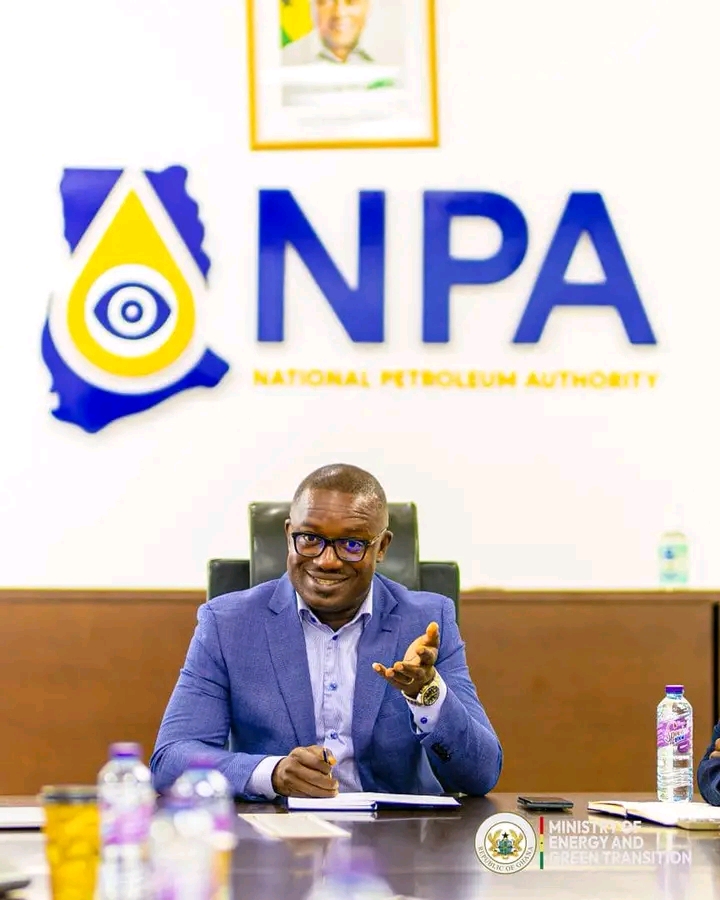
Ghana has more than five weeks of fuel in stock despite escalating tensions in the Middle East, the National Petroleum Authority has assured, seeking to calm public concerns over potential supply disruptions and price shocks. The reassurance comes as global oil markets react to renewed military confrontations involving Iran, the United States and Israel, developments that have heightened fears of instability in a region critical to global energy supply.
According to the National Petroleum Authority, current national petroleum stock levels are sufficient to cover domestic demand for more than five weeks, even if international supply chains experience temporary disruptions. The Authority indicated that Ghana’s Bulk Oil Storage and Transportation infrastructure, along with reserves held by Oil Marketing Companies and the Bulk Oil Distribution Companies, remain adequately supplied to meet consumption needs in the short term.
The assurance follows volatility in international crude markets after fresh hostilities in the Gulf region. Analysts have warned that any sustained disruption in the Strait of Hormuz, a strategic maritime corridor through which a significant share of global crude oil exports pass, could push prices upward. Ghana, which imports refined petroleum products to supplement local output, remains exposed to global price movements despite domestic refining capacity.

Officials at the National Petroleum Authority stated that the country’s fuel security framework is designed to cushion against short term external shocks. They noted that Ghana’s petroleum downstream sector operates under a deregulated pricing regime, meaning pump prices are influenced by international market trends, exchange rate fluctuations and domestic taxes and levies. However, the availability of physical stock remains stable and there is no immediate risk of shortages.
Ghana’s energy security strategy has evolved in recent years following past episodes of fuel supply constraints. Authorities have strengthened monitoring systems to ensure that minimum stock requirements are maintained across the supply chain. Industry data show that the country’s daily consumption of petroleum products, including petrol, diesel and liquefied petroleum gas, has grown steadily in line with economic activity, transport demand and industrial expansion. Maintaining buffer stocks is therefore critical to preventing panic buying and artificial shortages during periods of geopolitical tension.
The National Petroleum Authority further emphasised that it continues to work closely with key stakeholders in the petroleum sector, including importers, storage operators and marketers, to track stock levels and coordinate replenishment schedules. Officials indicated that contingency planning remains active, with arrangements in place to source alternative cargoes if necessary.

While supply volumes remain stable, the Authority acknowledged that price adjustments may occur depending on developments in global oil benchmarks. International crude prices typically respond quickly to geopolitical risk, with traders factoring in potential disruptions to production and shipping routes. Should tensions escalate further, upward pressure on prices could be transmitted to local markets during the next pricing window under Ghana’s deregulated framework.
Economists caution that higher global oil prices could have broader macroeconomic implications for Ghana, including effects on inflation, transportation costs and foreign exchange demand. Fuel imports constitute a significant component of the country’s import bill, and price spikes can increase pressure on the cedi if not offset by export earnings or reserve buffers. However, with over five weeks of fuel stock currently secured, the immediate concern is stability of supply rather than availability.
The Authority also appealed to the public to avoid panic purchases, stressing that there is no justification for hoarding or artificial demand surges. Panic buying can strain distribution networks even when national stocks are sufficient. Retail stations across the country continue to operate normally, and there have been no reported supply interruptions linked to the Middle East developments.

Ghana’s energy mix includes crude production from offshore fields, but the country remains dependent on imported refined products due to limitations in domestic refining capacity. Efforts to revitalise and expand refining infrastructure have been ongoing, aimed at reducing exposure to external shocks and improving long term energy independence.
For now, the National Petroleum Authority maintains that Ghana’s petroleum supply chain is stable and resilient. With more than five weeks of fuel reserves available, authorities believe the country is well positioned to manage short term turbulence stemming from Middle East tensions. Market observers will continue to monitor global oil movements and diplomatic developments in the region, as their trajectory will ultimately determine the medium term impact on fuel pricing and economic conditions in Ghana.
Finpace introduces halcyon AI layer to transform African banking operations