

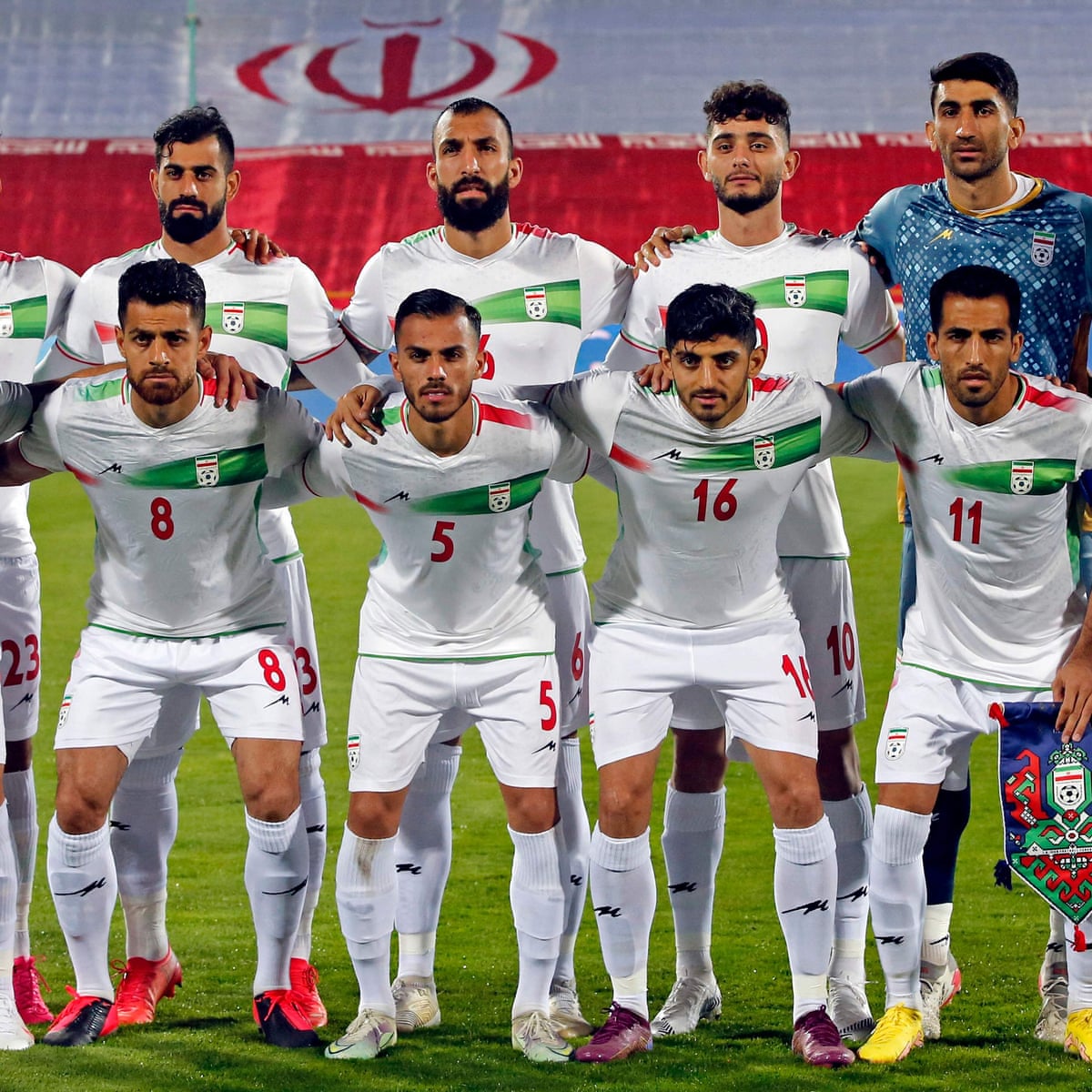
The prospect of Iran’s national football team competing at the upcoming 2026 FIFA World Cup in the United States, Canada and Mexico has become highly uncertain as military conflict escalates following recent strikes by the United States and Israel. The president of the Iran Football Federation has publicly cast doubt on the team’s ability to participate while geopolitical tensions remain unresolved, raising questions about whether one of Asia’s most consistent World Cup qualifiers will be able to travel to North America this summer.
Iran had secured a place in the expanded 48‑team tournament, and was drawn into Group G alongside Belgium national football team, Egypt national football team and New Zealand national football team. The first match was scheduled for mid‑June, with two games in Los Angeles and one in Seattle. However, in the aftermath of joint U.S.–Israeli airstrikes on Iranian territory, part of a sudden and dramatic flare‑up that has destabilised the region, the federation’s president, Mehdi Taj, signalled that competing in the tournament could now be unrealistic. In comments to Iranian sports media and on public television, Taj said “after this attack, we cannot be expected to look forward to the World Cup with hope,” and described Iran’s participation as in doubt unless the sporting authorities and government assess the situation differently.

Taj’s remarks reflect the broader strain between the Islamic Republic and the United States, which is not just about football. Longstanding political tensions, including visa restrictions that pre‑dated the current conflict, had already complicated Iran’s preparations for World Cup participation. Last December, Iran’s football officials publicly protested U.S. visa denials that affected its delegation at the tournament draw event in Washington, arguing that political considerations were influencing what should be sporting matters. Although some officials eventually attended the draw, the episode underscored the deep challenges in coordinating Iran’s involvement ahead of June.
In the current crisis environment, safety concerns for players, staff and supporters have compounded the dilemma. Iranian domestic football competitions have reportedly been suspended, further disrupting preparations. If Iran were to decide officially not to attend the World Cup, it would leave a vacancy that FIFA might need to fill by promoting another team based on qualifying results or playoff outcomes, a scenario reminiscent of past cases where political circumstances altered tournament line‑ups. Speculation has already surfaced around potential replacements from the Asian confederation, with teams like Iraq national football team or the United Arab Emirates national football team discussed as possible alternatives, though no formal decisions have been made.
While Iran’s federation voice has emphasised the seeming improbability of participation under current conditions, global football’s governing body, FIFA, has said it is closely monitoring developments. FIFA’s secretary general has indicated that discussions are ongoing with host nations and that the organisation’s priority is ensuring a safe tournament for all teams. It remains too early for definitive pronouncements, and FIFA has not officially altered Iran’s status within the competition.

The uncertainty around Iran’s involvement has broader implications beyond sport. For many Iranian fans and observers, the World Cup represents a point of national pride and global engagement. Withdrawal, whether official or de facto because of logistical and security barriers, would be a poignant symbol of how geopolitics can intrude on cultural and sporting events. The situation adds to a growing list of international occasions affected by contemporary conflict, where sporting calendars and global gatherings become collateral in times of heightened tension.
As the world watches events unfold, Iran’s ultimate decision on whether to attend the World Cup may not be resolved for weeks. With scheduled kick‑off dates approaching rapidly, there is pressure on all parties, Iran’s sports authorities, FIFA and the host governments, to clarify whether the team will travel, and under what conditions. Should Iran withdraw, the ripple effects could reshape Group G fixtures and open complex logistical challenges for tournament organisers.
For now, Iran remains listed among the qualified nations, but with its participation uncertain and subject to profound political and security considerations that extend well beyond athletics.
Football world remembers Christian Atsu on third anniversary of his death