


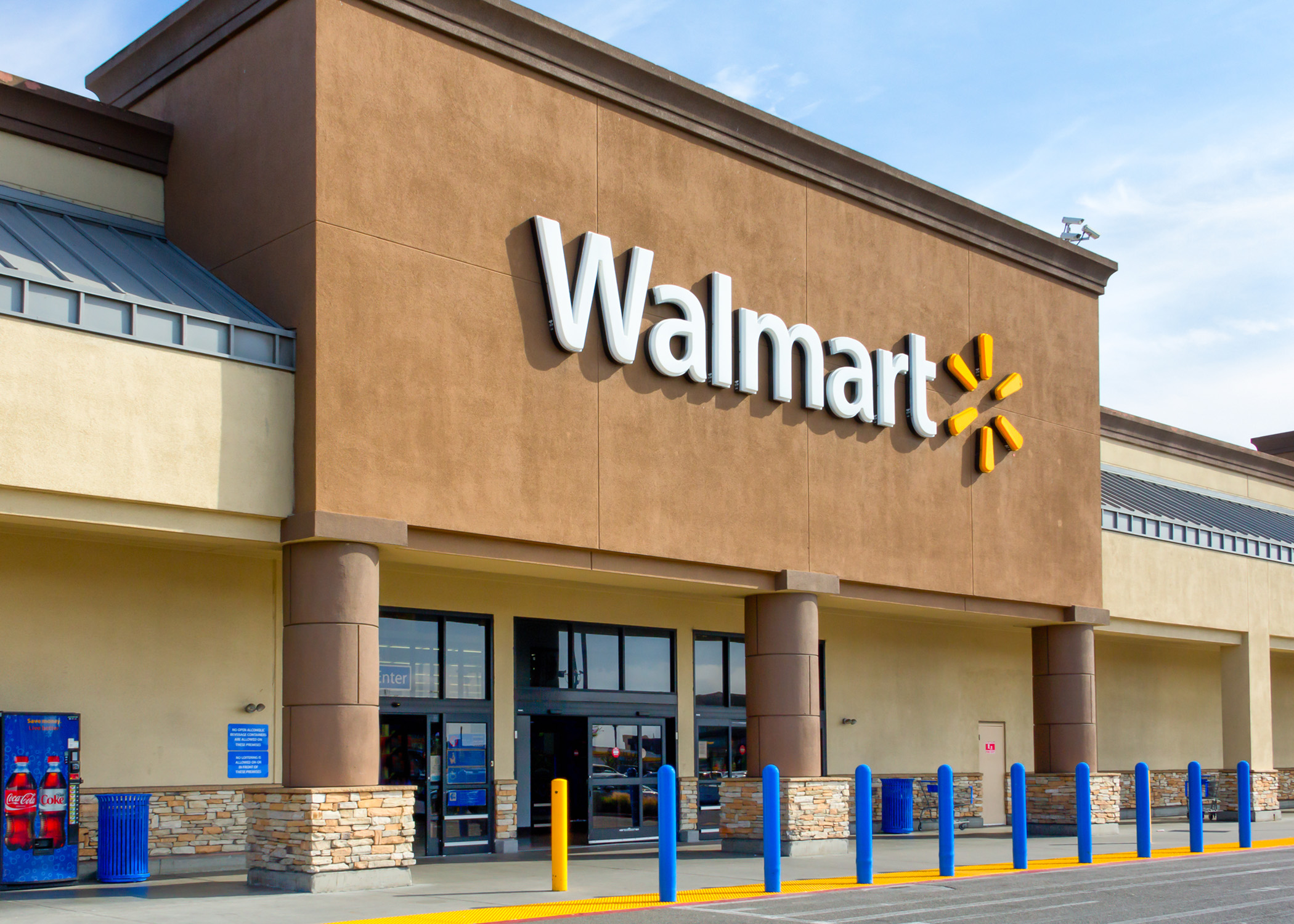
Walmart has agreed to pay a US$100 million settlement to resolve allegations from the Federal Trade Commission and a coalition of state attorneys general that it misled gig workers participating in its Spark Driver delivery program about how much they would earn from base pay, incentives and customer tips. The settlement was announced on February 26, 2026, and covers claims that Walmart’s practices caused delivery drivers to lose millions of dollars in expected earnings.
The action stems from a complaint filed in the U.S. District Court for the Northern District of California, in which the FTC, joined by attorneys general from Arizona, California, Colorado, Illinois, Michigan, North Carolina, Oklahoma, Pennsylvania, South Carolina, Utah and Wisconsin, alleged that Walmart repeatedly misrepresented what drivers would earn through its Spark Driver service. The settlement resolves these allegations without admission of wrongdoing, but it imposes significant financial and operational requirements on the company.
Walmart launched the Spark Driver program in 2018 as a way to tap into the rapidly growing gig economy by using independent contractors to deliver groceries and other goods from its stores directly to customers. Drivers use the Spark app to view and accept delivery “offers” that include estimates of base pay, potential incentive pay and customer tips. The FTC’s complaint focused on how Walmart displayed these earnings to drivers and customers and how changes after drivers accepted offers often reduced the actual take-home pay.

According to the FTC’s complaint, Walmart engaged in several deceptive practices. Drivers were shown inflated tip amounts or promised 100 % of customer tips, but in reality they sometimes received less than the amount advertised or received none of the tip at all. When an order was “batched”, meaning multiple deliveries were grouped together, tips were split among drivers without clear disclosure, or tip amounts were reduced or removed after acceptance. Walmart also allegedly failed to tell drivers in advance when it would reduce base pay or incentive payments after modifying orders, leaving drivers unaware of actual earnings until after a delivery was completed.
The FTC also said Walmart misled customers by suggesting that all tips paid at checkout would go to the driver, when some were retained or never passed on. Consumers were sometimes charged tip amounts that never reached the workers they were meant to reward. These practices violated both federal law and the laws of many of the states participating in the action, according to regulators.
As part of the $100 million settlement, Walmart is required to pay up to $79 million directly to drivers who were harmed by the alleged misrepresentations, while $11 million will be paid to the states involved and $10 million will be paid to the FTC, which intends to use those funds to provide refunds to affected customers. In Pennsylvania for example, roughly $1.4 million will go to drivers in that state alone as part of the multistate agreement.

Beyond financial compensation, the settlement imposes lasting obligations on Walmart. The company must establish an earnings verification program to ensure that drivers receive the pay and tips they were promised, and it is prohibited from misrepresenting earnings in future delivery offers. Walmart also cannot modify base pay, incentive pay or tip amounts after a driver has accepted a delivery offer, except in limited circumstances such as customer cancellations. An annual reporting requirement will ensure that Walmart complies with these terms for at least the next decade.
Regulators emphasized that truthful and transparent pay information is essential for gig markets to function fairly. Christopher Mufarrige, Director of the FTC’s Bureau of Consumer Protection, said that “labor markets cannot function efficiently without truthful and non-misleading information about earnings and other material terms” and that the settlement reflects the agency’s commitment to protecting workers.
Walmart responded by saying it values the contributions of Spark drivers and has already begun issuing payments to impacted workers. A spokesperson reiterated the company’s efforts to improve procedures to ensure fairness and transparency in how drivers are compensated.

The settlement is one of the most significant actions yet involving a major retailer’s handling of compensation in a gig-based delivery program. It comes amid broader scrutiny of how companies classify and pay independent contractors in app-based work, an issue that has drawn attention from regulators and courts across the United States.
Vitalik Buterin ether sales deepen market pressure