


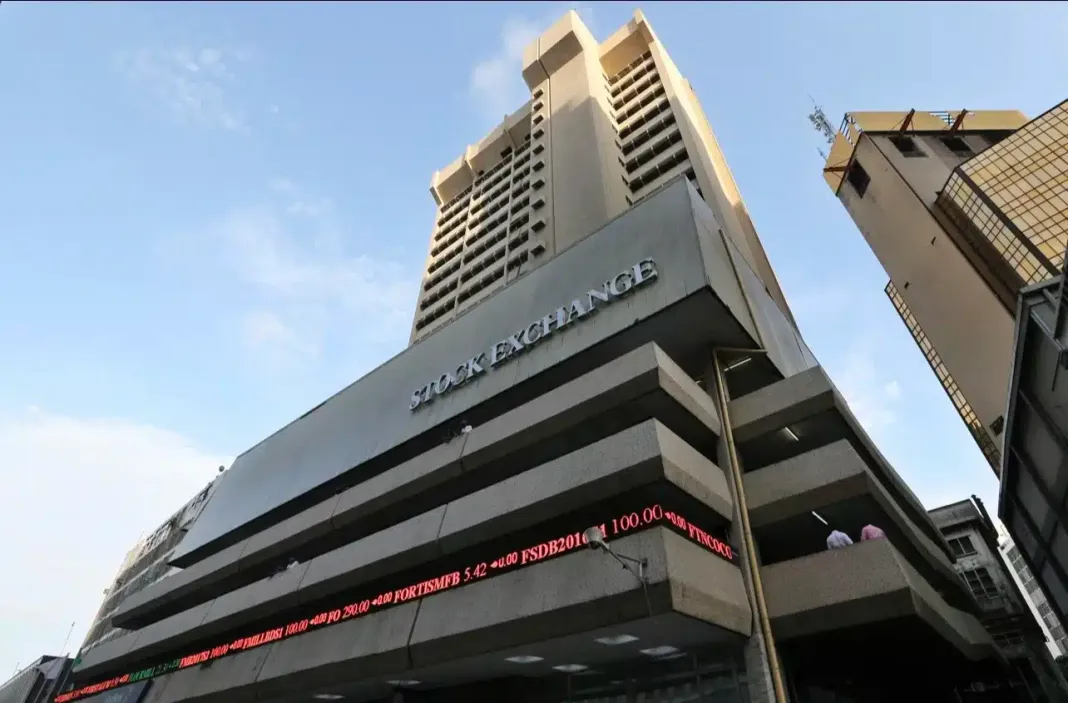
The Ghana Stock Exchange GSE has implemented a suite of regulatory reforms aimed at reinforcing market integrity and reducing the risk of price engineering practices, as equities in Ghana continue to benefit from rising investor participation and a more favourable macroeconomic environment. These measures form part of a comprehensive effort by the Exchange to enhance transparency, corporate governance and risk management in Ghana’s capital markets, strengthening investor confidence while aligning its regulatory framework with global best practices.
The revised rulebook, introduced under the Exchange’s 2026 listing standards, establishes caps on share buybacks and tightens requirements for listing, reporting and continuous disclosure by issuers. Share buybacks occur when companies repurchase their own shares from the market, reducing free float and potentially increasing earnings per share and stock price. While buybacks can be a legitimate tool of capital management, excessive repurchases can erode capital buffers and create artificial price support that distorts true market value and disadvantages other investors. The introduction of buyback limits is intended to ensure that such transactions are conducted responsibly and for strategic capital management rather than short term price manipulation.
In addition to restrictions on repurchases, the GSE is reinforcing corporate governance, financial reporting and continuous disclosure obligations for listed companies. These enhancements are designed to prioritise issuer quality as the foundation for sustainable liquidity growth, recognising that well governed and transparent companies are better positioned to attract and retain long term capital. Exchange officials have emphasised that stronger standards may temper the pace of new listings in the near term, but that this trade off is necessary to rebuild and sustain confidence in the market following structural adjustments in the banking sector and policy reforms such as the Domestic Debt Exchange Programme.
According to Joyce Esi Boakye, Head of Listing and New Products at the GSE, the reforms are a strategic response to Ghana’s evolving financial landscape. As risk conditions moderate, the Exchange believes that enhancing transparency, governance and disclosure will support deeper capital formation and facilitate access to long term equity and bond financing for corporate entities, including small and medium sized enterprises SMEs and innovative firms seeking growth capital.

The updated framework keeps key elements of the listing regime intact while introducing proportional regulatory requirements that reflect issuer profiles. For example, the Main Market will retain strict profitability requirements reflecting the view that established companies with proven operations and predictable cash flows are better suited for traditional mainboard listing. On the other hand, growth oriented enterprises may access capital via the Ghana Alternative Market GAX, which offers a tailored regulatory approach that balances investor protection with the flexibility needed by emerging businesses.
A public interest clause remains in place, permitting discretionary approvals by the Exchange in exceptional circumstances. However, the GSE characterises this as a limited safeguard rather than a substitute for compliance, with stringent oversight on its application.
Market context and performance trends
The timing of these reforms coincides with a robust phase in Ghana’s equities market. By mid February 2026, the GSE’s market capitalisation had surpassed the GH¢200 billion mark closing near GH¢211 billion reflecting sustained investor interest. Both the Composite Index and the Financial Stock Index recorded gains in the first months of the year, buoyed in part by strong performances from key banking and insurance stocks. Trading liquidity has shown notable improvement, with turnover figures significantly higher than in previous periods, underscoring growing engagement from market participants.

A broader shift in Ghana’s financial landscape has also played a role. Lower Treasury bill yields, which have eased toward the mid single digit range, have made fixed income instruments relatively less attractive compared to equities where some stocks delivered double digit returns in 2025. This shift has accelerated capital rotation into the equity market, supporting valuation increases and encouraging investors to seek higher yields through share ownership.
In this context, analysts project that continued supportive interest rate conditions, if maintained, could further enhance equity performance across sectors. Banking, telecommunications, consumer services and domestic consumption oriented industries are highlighted as likely beneficiaries, provided that earnings growth and liquidity metrics improve broadly.
Risks and structural challenges
Despite positive momentum, challenges remain. Market concentration where a handful of major stocks dominate trading activity poses structural vulnerability, with liquidity heavily skewed toward specific counters such as telecommunication and banking stocks. Sudden shifts in investor confidence, currency volatility or adverse global risk sentiment could tighten liquidity and dampen market participation.
The Exchange acknowledges that the long term durability of the current rally depends on deeper market participation, sustained earnings growth across sectors, and continued improvements in governance and transparency. Strategic regulatory tightening, even if it results in fewer new listings in the short run, is deemed necessary to cultivate a robust market ecosystem capable of withstanding future shocks.
Broader capital market developments in Ghana
Beyond equities, Ghana’s capital markets continue to evolve. The Ghana Fixed Income Market GFIM provides a transparent trading environment for government and corporate debt instruments, playing a complementary role to the equities exchange by offering investment alternatives and further enhancing liquidity in the financial system.
In parallel, the government has signalled intentions to leverage the stock exchange for public policy goals. For example, plans were announced for the listing of TDC Ghana Ltd, a profitable state owned enterprise, on the GSE to unlock low cost capital for expanding housing projects, reflecting a trend toward using capital markets to finance strategic infrastructure and development initiatives.
The Ghana Stock Exchange’s recent regulatory reforms mark a deliberate shift toward stronger governance, investor protection, and market resilience. By implementing guardrails that curb price engineering and promote disciplined capital market activity, the GSE is laying the groundwork for sustained growth and deeper investor trust. While challenges related to liquidity concentration and macroeconomic headwinds persist, the strategic reinforcement of listing standards is poised to enhance the quality and sustainability of Ghana’s capital markets as they continue to adapt to changing economic realities.