

In a move that reinforces Ghana’s constitutional safeguards and underscores judicial independence, President John Dramani Mahama has formally dismissed ten petitions seeking the removal of key institutional leaders after the Chief Justice found no prima facie case to warrant further action. The decision offers clarity to the national discourse around public sector accountability and legal due process, and allows critical institutions to focus on electoral preparations and anti-corruption mandates.
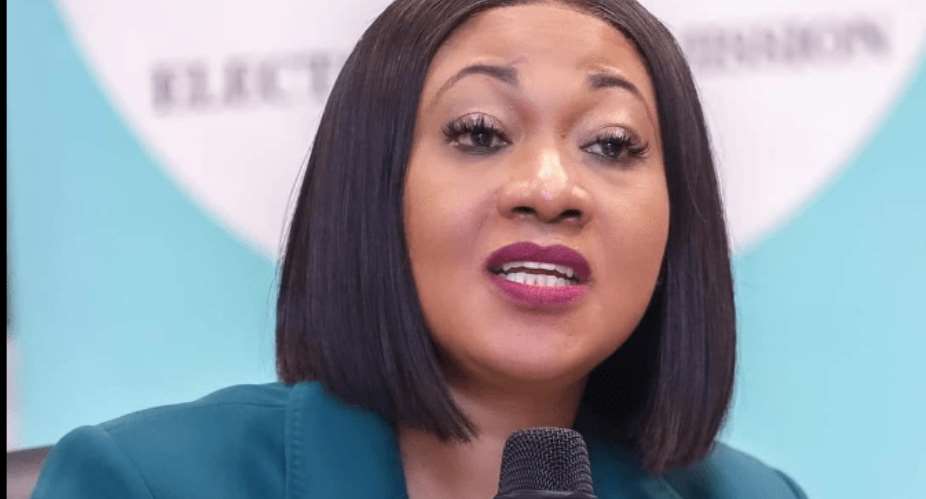
The petitions, which were received by the Office of the President in late 2025, targeted Electoral Commission EC Chairperson Jean Mensa, her two deputies, Dr. Bossman Eric Asare Corporate Services and Samuel Tettey Operations, as well as Special Prosecutor Kissi Agyebeng. Once filed, President Mahama took the constitutionally required step of referring the matters to Chief Justice Paul Baffoe Bonnie for a preliminary assessment of whether a prima facie case existed to justify a formal removal process.

Under Article 146 of the 1992 Constitution, heads of independent state institutions can only be removed for stated misbehaviour, incompetence or incapacity once a prima facie case is established. Before any five member tribunal can be constituted to investigate allegations further, the Chief Justice must first assess whether the petitions disclose sufficient grounds. After a comprehensive review, the Chief Justice concluded that none of the petitions met the constitutional threshold.
Details emerging from the petitions against the EC leadership included allegations ranging from administrative lapses, cronyism and breaches of internal procedures to concerns about public confidence in the Commission’s operations. In the case of the Special Prosecutor, some petitions lodged by civil society groups raised questions about alleged inefficiencies and abuses of office, urging a review of the Office of the Special Prosecutor’s operational conduct.
By a formal communication dated 26 January 2026, Chief Justice Baffoe Bonnie informed the President that no prima facie case had been established. This determination effectively halts the petitions, precluding any further constitutional procedures such as the formation of a tribunal from taking place. As a result, the EC leadership and the Special Prosecutor will continue in their respective roles, free to discharge their duties as provided in law.

President Mahama’s office released a statement through Minister of State in Charge of Government Communications, Felix Kwakye Ofosu, confirming the outcome and clarifying that the President had fulfilled his obligations by forwarding the petitions to the Chief Justice. The statement emphasised that the absence of a prima facie case leaves no room for additional steps under the constitutional removal process.

The decision comes against a backdrop of intense civic and public debate following Ghana’s 2024 general elections, when questions around election administration and institutional accountability gained prominence. Some petitioners and commentators argued that the EC’s conduct and the Special Prosecutor’s role warranted scrutiny and potential leadership changes. However, the Chief Justice’s ruling underscores the constitutional protections afforded to holders of independent offices and the strict legal standards required to unseat them.
Governance experts have welcomed the decision as a reinforcement of Ghana’s rule of law, noting that due process is essential to maintaining institutional integrity and independence. They argue that removal mechanisms must be rooted in clear legal evidence and constitutional requirements, rather than public pressure or political contention. This perspective aligns with broader democratic norms that protect key state actors from arbitrary or politically motivated removal efforts.
Civil society organisations have had mixed reactions. Some groups noted that while the petitions did not meet legal standards for removal, the robust process demonstrates that accountability mechanisms exist and are being respected. Others reiterated calls for enhanced transparency and performance evaluations to improve public confidence in national institutions.
By dismissing the petitions, President Mahama and the judiciary have signalled that constitutional safeguards and procedural integrity remain central to governance in Ghana. As the country prepares for upcoming by elections and continues its democratic journey, the resolution of these high profile petitions may be seen as a moment that strengthened legal norms and reaffirmed separation of powers between the executive, judiciary and independent commissions.
Overall, the outcome emphasises that institutional accountability, while essential, must be pursued through constitutionally guided channels and supported by credible evidence. Ghana’s legal framework has again demonstrated its capacity to balance competing interests while upholding justice, due process and democratic governance standards.