


A new scientific study has revealed that chikungunya, a painful mosquito borne disease traditionally found in tropical regions, can now be transmitted across most of Europe due to climate change and the expanding range of invasive mosquitos. The findings have sparked concern among public health officials, epidemiologists and governments about the continent’s emerging vulnerability to tropical diseases once thought confined to equatorial and subtropical climates.
Chikungunya is caused by the chikungunya virus CHIKV, which is mainly spread by the Aedes albopictus mosquito, commonly known as the Asian tiger mosquito. The insect has long been established in parts of southern Europe, but rising temperatures have enabled it to expand its range much further north and west, creating conditions where local transmission of the virus can occur.

According to the study, published in a peer reviewed scientific journal, the temperature threshold required for chikungunya transmission is now about 2.5°C lower than previously thought. This adjustment significantly increases the geographical zone in which the virus could be transmitted. In many southern European countries, including Spain and Greece, the environment is now suitable for more than six months of potential transmission each year. In some more northern areas, such as southeastern parts of the United Kingdom, researchers say conditions could support up to two months of viable transmission.
This shift comes amid a broader trend of changing mosquito ecology. Scientific observations show that the Aedes albopictus mosquito, a species capable of carrying chikungunya, dengue and Zika viruses, has steadily expanded across the continent. Reports suggest that within the past decade the species has become established in more regions and countries than ever before, driven by warmer temperatures, milder winters and altered rainfall patterns.
European health authorities have already been monitoring local chikungunya transmission. Mainland France experienced locally acquired cases earlier than expected in 2025, and outbreaks have been recorded in Italy and other southern EU nations, indicating that virus transmission is no longer only associated with travelers returning from endemic regions.

Chikungunya infection in humans typically causes sudden onset of high fever and severe joint pain, with symptoms often described as debilitating. Although most people recover within a few weeks, a significant proportion of patients experience prolonged joint discomfort that can last for months or even years, substantially affecting quality of life. Rash, headache and muscle pain are also common symptoms.
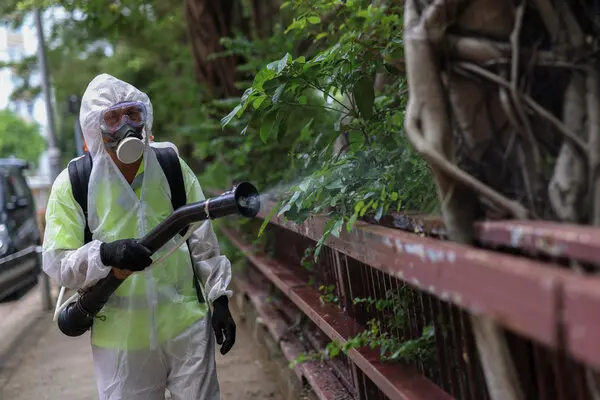
There is currently no specific antiviral treatment or widely used vaccine for chikungunya, making mosquito control and prevention measures critical components of public health strategies. Experts stress the importance of reducing mosquito breeding sites, using repellents, installing window screens, and promoting awareness about protective behavior, especially in regions newly at risk.
The European Centre for Disease Prevention and Control ECDC reports that climate change is contributing to an increase in mosquito borne diseases across the continent. Rising temperatures, longer summer seasons and shorter, milder winters create favourable conditions for disease vectors like Aedes mosquitoes to survive and transmit viruses. In some areas, mosquitoes are now active earlier in the year and for longer periods than in the past, raising the probability of more frequent and larger outbreaks.

Public health experts caution that the risk is not uniform across Europe. Southern regions such as the Mediterranean basin face the highest danger, with environments already suitable for year round mosquito activity. But the study’s findings suggest that countries further north could see seasonal transmission windows emerge, potentially bringing chikungunya into areas previously considered safe from such tropical viruses.
The implications extend beyond chikungunya. Other mosquito borne diseases, including dengue fever and Zika, also carried by the same mosquito species, are becoming more relevant to European health planning as vector ranges expand. These developments illustrate how environmental change is altering the epidemiological landscape, prompting calls for strengthened surveillance, cross border cooperation and increased investment in public health infrastructure capable of responding to emerging biological threats.
In light of this research, governments and health agencies across Europe are expected to intensify monitoring of mosquito populations, educate the public about risks and reinforce preventative measures. Climate adaptation strategies are likely to become more closely integrated with infectious disease control plans as nations work to mitigate the health consequences of a warming planet.
The study underscores a sobering realization: tropical diseases once confined to distant climates are now poised to become part of Europe’s public health landscape, requiring vigilance, resources and rapid response to protect communities from ailments once considered unlikely in these regions.