


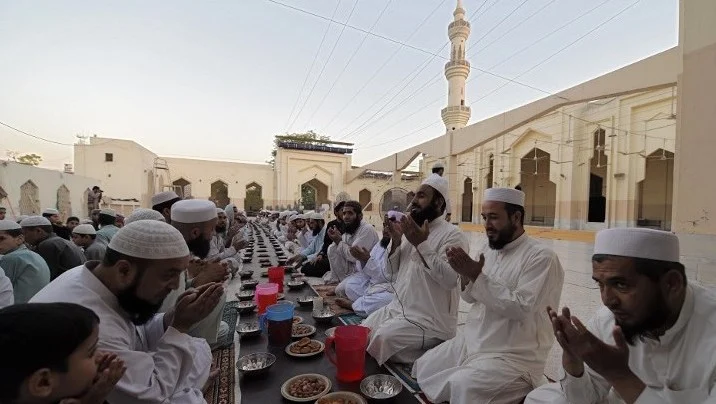
Muslims around the world have begun observing Ramadan, the ninth month of the Islamic lunar calendar and one of the most sacred periods in Islam. The commencement of the fast follows the sighting of the crescent moon, marking the start of a month dedicated to spiritual reflection, self-discipline, devotion, and acts of charity.
Ramadan holds profound religious significance for Muslims because it is believed to be the month in which the Qur’an was first revealed to the Prophet Muhammad (peace be upon him). Fasting during Ramadan, known as Sawm, is one of the Five Pillars of Islam, making it a fundamental act of worship for adult Muslims who are physically and mentally able to observe it.
The daily fast
During Ramadan, Muslims fast each day from dawn (Fajr) until sunset (Maghrib). This means abstaining from food, drink, smoking, and marital relations throughout daylight hours. The fast begins before dawn with a pre-fast meal known as Suhoor, which is typically eaten early in the morning. At sunset, Muslims break their fast with a meal called Iftar, traditionally starting with dates and water, following the practice of the Prophet Muhammad.

The fast is not merely about refraining from food and drink. It is also a spiritual discipline that involves avoiding negative behaviors such as gossip, anger, dishonesty, and harmful speech. Muslims are encouraged to cultivate patience, humility, gratitude, and empathy especially for those who are less fortunate.
Increased prayer and worship
Ramadan is a time of intensified worship. In addition to the five daily prayers, Muslims engage in extra voluntary prayers known as Taraweeh, performed at night in congregation at mosques or at home. Many aim to complete the recitation of the entire Qur’an during the month, either individually or collectively in mosque gatherings.

The last ten nights of Ramadan are considered especially sacred. Within this period falls Laylat al-Qadr (the Night of Decree), believed to be the night when the Qur’an was first revealed. It is regarded as better than a thousand months, and Muslims devote these nights to deep prayer, supplication, and spiritual reflection.
Charity and compassion
Charity is strongly emphasized during Ramadan. Muslims are encouraged to increase their acts of generosity and compassion. Two key forms of charitable giving are observed during this period:

- Zakat – the obligatory annual charity given by eligible Muslims to support the poor and needy.
- Sadaqah – voluntary charity given at any time, often increased during Ramadan.
Before the end of the month, Muslims also give Zakat al-Fitr, a special form of charity intended to help the less privileged celebrate the festival that marks the end of Ramadan.
Communities often organize food drives, free Iftar meals, and outreach programs to support vulnerable individuals. In many Muslim-majority countries, Ramadan fosters a strong sense of unity and communal spirit, with families and neighbors gathering to break their fast together.
Exemptions from Fasting
While fasting is obligatory for adult Muslims, certain groups are exempt. These include young children, the elderly, pregnant or breastfeeding women, travelers, and individuals who are ill. Those who miss fasts due to valid reasons may either make up the missed days later or provide compensation in the form of feeding the poor, depending on their circumstances.
A month of transformation
Ramadan is widely regarded as a period of personal transformation. Muslims use this month to break harmful habits, strengthen their relationship with God, and develop self-control. The hunger and thirst experienced during the fast serve as reminders of the struggles faced by millions around the world, fostering empathy and gratitude.
The holy month concludes with Eid al-Fitr, a joyous celebration marked by communal prayers, festive meals, new clothing, and visits to family and friends. It is a time of thanksgiving and celebration after a month of devotion and sacrifice.
As Muslims begin the Ramadan fast today, the focus turns to spiritual renewal, unity, and compassion values that extend beyond the month itself and continue to shape daily life long after the crescent moon signals its end.