


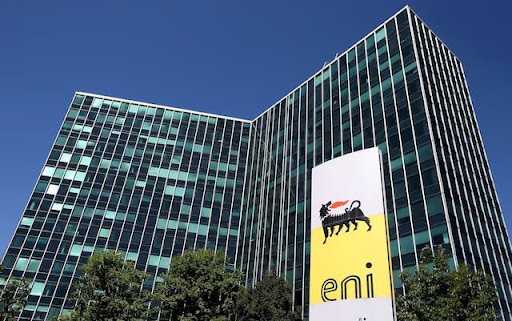
Italy’s Eni and the United Kingdom’s BP have confirmed a significant offshore oil discovery in Angola, with preliminary estimates indicating around 500 million barrels of oil in place. The find reinforces Angola’s strategic position in global crude markets at a time when the country is seeking to stabilise output amid maturing fields.
The discovery was made at the Algaita-01 exploration well in Block 15/06 in Angola’s Lower Congo Basin. The block is operated by Azule Energy, a 50/50 joint venture between Eni and BP. The well is located approximately 18 kilometres from the Olombendo floating production, storage and offloading vessel, a proximity that significantly enhances its development potential by allowing integration with existing infrastructure.
Drilled in water depths of 667 metres using the Saipem 12000 drillship, the well encountered substantial oil-bearing sandstones across multiple Upper Miocene intervals. According to Eni, comprehensive data acquisition, including fluid sampling, confirmed both the quality of the reservoir and favourable fluid characteristics, strengthening the commercial outlook for the asset.

Azule Energy holds a 36.84% stake in Block 15/06 alongside Sonangol E&P and SSI Fifteen Limited. The consortium structure reflects Angola’s continued reliance on partnerships between its national oil interests and international energy companies to sustain upstream investment.
The discovery comes at a critical time for Angola’s petroleum sector. The country holds proven reserves of roughly 8 billion barrels, ranking among Africa’s top oil producers. However, production has declined over the past decade as mature offshore fields experience natural depletion. Output currently averages about 1.1 million barrels per day, down from peaks exceeding 1.8 million barrels per day in the late 2000s.
Oil remains central to Angola’s economy, accounting for more than 90% of export revenues and roughly one-third of gross domestic product. As a result, new discoveries are essential to offset decline rates and protect fiscal stability. The Algaita-01 find could help counter production erosion if swiftly developed.
Angola exited the OPEC quota framework in 2023 following disagreements over output ceilings, underscoring structural pressures within its upstream sector. The new discovery strengthens Angola’s ability to assert its production strategy independently while maintaining competitiveness among Africa’s leading producers.

China remains Angola’s largest crude export destination, typically accounting for 40% to 50% of shipments. India has also increased imports in recent years, while European markets such as Spain and the Netherlands continue to source Angolan grades to balance refinery operations.
Regionally, the find could reshape competitive dynamics. Nigeria, Africa’s largest oil producer, continues to face output constraints linked to infrastructure challenges and underinvestment. Libya’s production remains vulnerable to political instability, while Algeria’s energy focus leans heavily toward natural gas exports.
If Angola accelerates development of the Algaita-01 discovery using the nearby Olombendo FPSO, it could stabilise production levels and reinforce its standing in global crude supply chains. Officials at Angola’s National Agency of Petroleum, Gas and Biofuels have described the discovery as confirmation of the Lower Congo Basin’s strong exploration potential, signalling optimism about its contribution to national revenues and long-term energy strategy.
1 Cedi Petroleum Levy Unacceptable – COMAC CEO Warns Government