

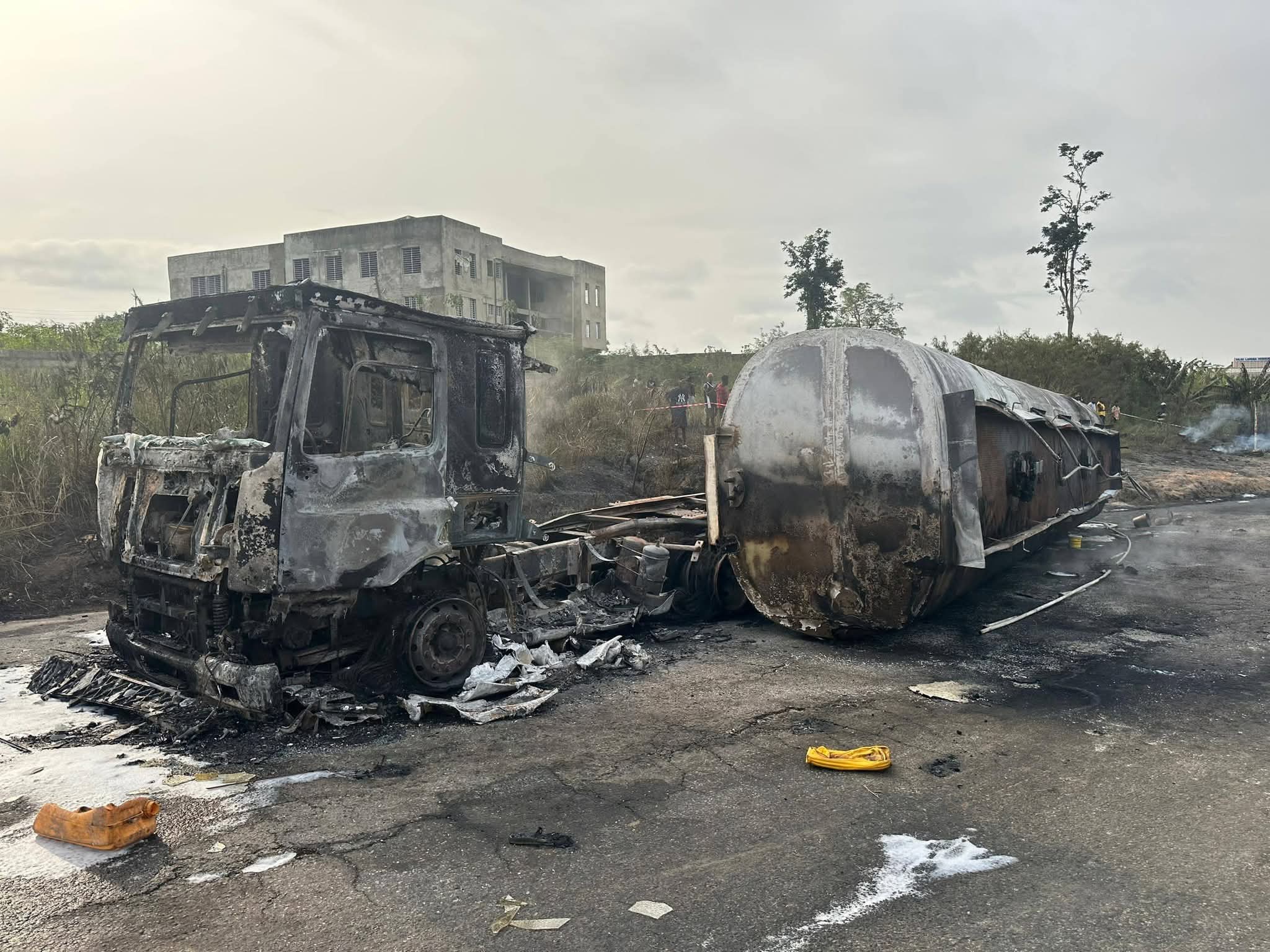
The National Road Safety Authority (NRSA) has urged transport operators in Ghana’s petroleum sector to urgently tighten safety measures after a series of tanker explosions raised concerns about road and public safety. The appeal comes amid growing scrutiny over how fuel transport operations are managed, particularly along high-traffic highways where incidents have resulted in injuries, loss of life and substantial property damage.
In a statement issued on February 15, 2026, the Authority highlighted the need for strict adherence to existing safety protocols, enhanced training for drivers, rigour in vehicle maintenance, and improved emergency response planning. According to the NRSA, operators must ensure that tankers hauling petroleum products are roadworthy and that drivers possess the required certifications and defensive driving skills to prevent catastrophic outcomes.
“In light of recent tanker explosions, we are calling on all stakeholders in the petroleum transport value chain, including drivers, transport companies, regulatory partners and law enforcement agencies, to collaborate more closely on safety,” the NRSA statement said. “Lives are at stake, and complacency on safety cannot be tolerated.”

Rising Risk on Ghana’s Roads
Ghana’s expanding demand for petroleum products has increased the frequency of fuel tanker movements on national and regional roads, elevating the risk of serious accidents. Tanker explosions, while rare compared to other road crashes, often have severe consequences due to the flammable nature of the cargo and the potential for chain-reaction collisions in populated areas.
Recent incidents have drawn public attention, with some explosions causing burns, property destruction and lengthy disruptions to traffic flow. Safety advocates have pointed to factors such as excessive speed, poor vehicle maintenance, driver fatigue and inadequate load-securing as recurring contributors to such crashes.
Strengthening Protocols: What Needs to Change
The NRSA’s call includes several key safety recommendations:
Rigorous Pre-Trip Checks: Fleet operators must ensure daily safety inspections of tanker units, focusing on brakes, tyres, lights, load valves and structural integrity.
Driver Training and Certification: Drivers should undergo continuous professional development in defensive driving, hazardous materials handling and emergency braking techniques.
Route Management: Preventing travel through densely populated areas during peak hours and employing GPS monitoring to enforce safe speeds and approved routes.
Emergency Preparedness: Transport firms must work with local response teams to develop rapid action plans for isolating spills, extinguishing fires and managing evacuations.

The Authority also reiterated that compliance with the Road Traffic Regulations, National Fire Safety Codes and sector-specific guidelines is mandatory, and that transport operators found lacking could face enforcement actions, including fines or licence suspensions.
Industry Reaction and Government Support
Representatives from major petroleum logistics companies have acknowledged the pressure to improve standards but noted the challenges posed by ageing fleets, driver shortages and high operational costs. Some operators welcomed the NRSA’s engagement, saying that collaboration with safety authorities is essential to prevent future tragedies and protect both workers and communities.
Government ministries and local authorities are also being encouraged to step up support through inspections, capacity building for emergency responders, and public awareness campaigns that inform motorists on how to respond around tanker vehicles.

A Shared Responsibility
The NRSA stressed that improving petroleum transport safety is not limited to operators alone; it requires a coordinated effort involving enforcement agencies, emergency services, industry associations and road users. By prioritizing safety protocols and robust adherence to regulations, stakeholders can reduce the probability of explosive incidents and enhance overall road safety outcomes.
As Ghana’s road network continues to support expanding economic activities, particularly in energy distribution, the focus on tanker safety reflects broader national concerns about preventing road fatalities, reducing economic losses and safeguarding lives.