

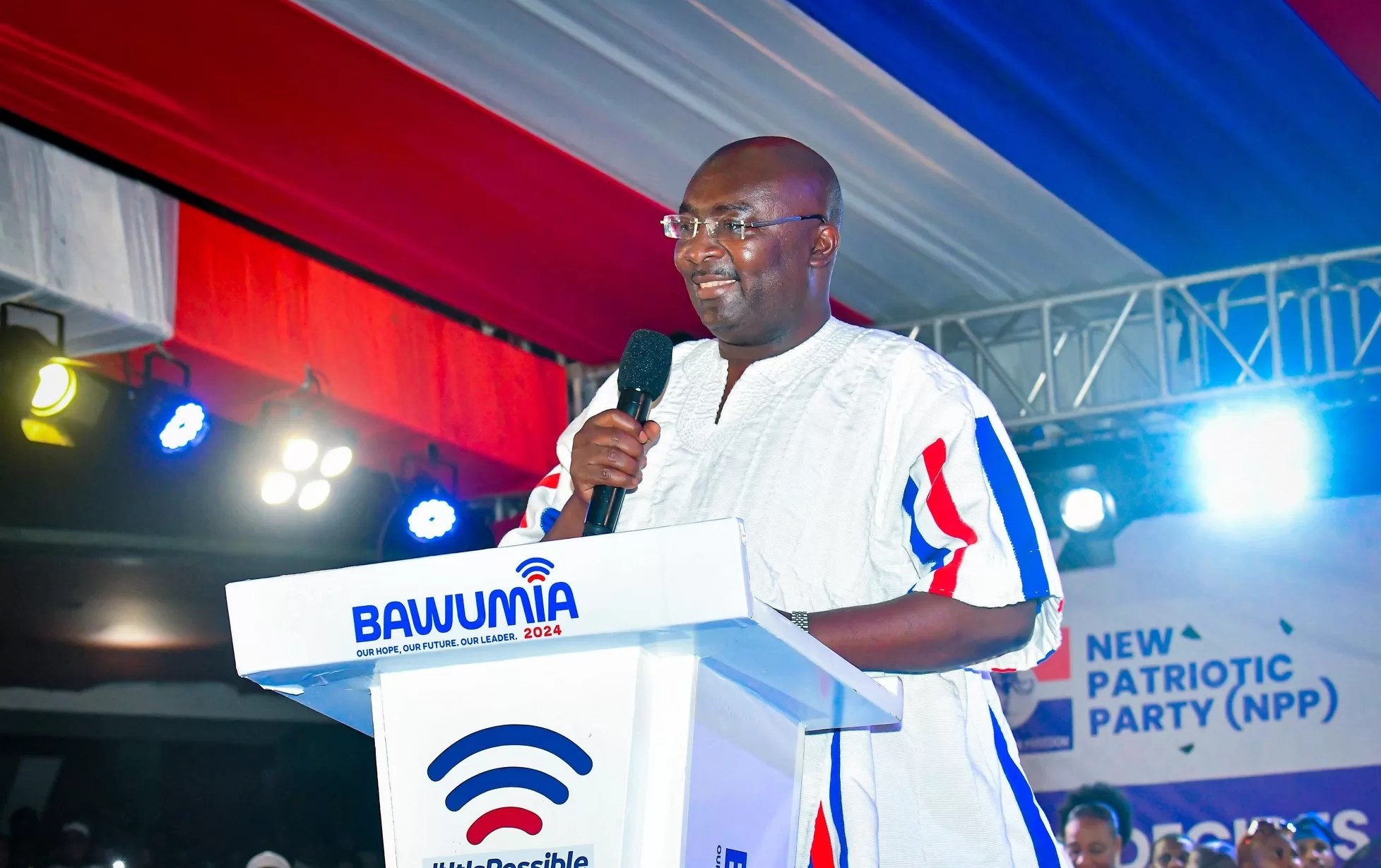
The New Patriotic Party (NPP) has initiated a significant internal restructuring process, signaling an early and calculated strategy to rebuild and strengthen the party ahead of the 2028 general elections.
Central to the reform agenda is the planned establishment of a newly strengthened policy unit aimed at sharpening the party’s ideological clarity, improving policy coordination, and enhancing long-term electoral competitiveness. Party sources describe the move as part of a broader rebuilding effort focused on institutional reform, operational efficiency, and restoring strategic focus.
The restructuring comes at a critical moment as the NPP reassesses its internal systems, national messaging, and political positioning within Ghana’s evolving electoral landscape. Political analysts argue that modern campaigns demand more than grassroots mobilization; they require structured policy frameworks, research-backed proposals, and disciplined communication strategies. The new policy unit is expected to address these demands directly.

According to insiders, the reconstituted policy unit will concentrate on developing comprehensive proposals across key sectors such as economic management, job creation, energy policy, education reform, digital transformation, and governance accountability. The objective is to present a coherent, technically sound blueprint that resonates with voters while remaining implementable in government.
Beyond policy development, the restructuring exercise is expected to evaluate communication architecture, youth engagement strategies, grassroots organization, and internal decision-making mechanisms. Senior party figures believe that institutional depth and cohesion will be decisive in shaping the party’s competitiveness in 2028.
Observers note that beginning reforms this early reflects a long-term outlook rather than a reactive campaign posture. By initiating internal recalibration well ahead of the election cycle, the NPP appears intent on rebuilding momentum through structured planning instead of last-minute political maneuvering.

The decision to strengthen the policy unit also reflects broader shifts in Ghana’s political environment, where voters, particularly younger demographics, are increasingly focused on economic performance, employment prospects, and governance credibility. A well-organized policy framework could serve as a foundation for rebuilding trust and sharpening the party’s national appeal.
While the full details of the new structure have yet to be publicly disclosed, indications suggest that technocrats, policy analysts, and experienced political strategists may be incorporated to bridge the gap between political messaging and practical governance.
As the political landscape gradually shifts toward the 2028 contest, the NPP’s internal restructuring represents more than administrative adjustment. It signals an effort to modernize party systems, refine strategic direction, and position itself competitively in a policy-driven electoral era.
NPP accuses NDC government of judicial capture after Chief Justice removal