

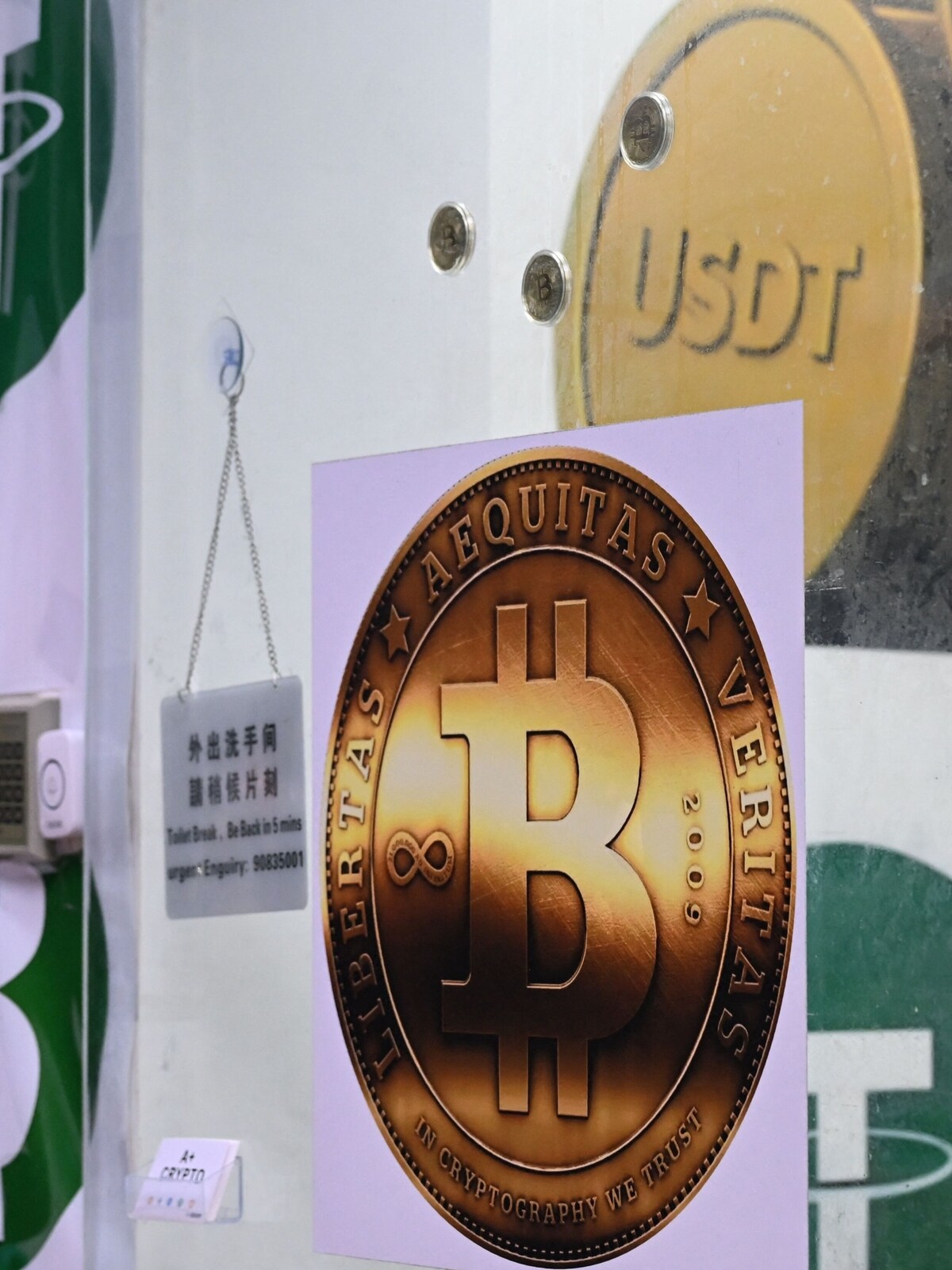
A major policy battle is unfolding in Washington as the crypto industry pushes back against traditional Wall Street bankers over how stablecoins should be regulated in upcoming U.S. legislation. After bankers presented a document advocating for a total ban on stablecoin yields and rewards, a coalition of crypto advocates responded with their own set of stablecoin principles aimed at preserving key features of digital‑asset markets, deepening the divide over how digital dollars should be treated under the law.
The dispute centers on a crypto market structure bill stalled in the U.S. Senate, which seeks to set a legal framework for cryptocurrencies, including stablecoins, digital tokens designed to maintain a stable value often pegged to the U.S. dollar. Stablecoins have become a vital part of the digital‑asset ecosystem, facilitating trading, decentralized finance (DeFi) activities and cross‑border payments.
Banker push to curb stablecoin yields
In recent negotiations at the White House, representatives from major banking institutions delivered a paper titled “Prohibition of Yields and Interest,” arguing for a blanket ban on any form of yield or rewards associated with holding stablecoins. Banks contend that allowing rewards, which can resemble interest payments or financial benefits, could undermine traditional deposit‑taking and lending models, siphoning off liquidity and challenging financial stability.

The banking lobby’s push reflects broader concerns among legacy financial firms about the rapid growth of stablecoins, which can move large volumes of capital outside traditional banking rails. A recent analysis by Reuters Breakingviews notes that stablecoins could attract a significant portion of deposits away from conventional banks, intensifying the industry’s defensive stance.
Crypto industry’s counter‑proposal
In response, a number of crypto trade groups, including the Digital Chamber, an influential industry coalition, penned their own set of stablecoin principles and began circulating them among lawmakers and regulators. The goal is to influence the Senate bill’s language so that it accommodates certain types of stablecoin rewards and preserves innovation in decentralized finance.
The industry’s counter‑proposal suggests compromise positions that would limit direct yield on idle stablecoin holdings while allowing rewards tied to liquidity provision or participation in DeFi activities. Proponents argue that such provisions support a healthy ecosystem without replicating traditional deposit‑like systems that regulators fear could blur the lines between crypto tokens and bank products.
Legislative impasse
The disagreement has contributed to a legislative impasse on the Senate’s crypto market structure bill, which has already faced delays and stalled progress in the Senate Banking Committee. The House of Representatives previously passed a version of the bill, but unresolved disputes over stablecoins, particularly the yield debate, have slowed momentum in the Senate.

Notably, earlier efforts to reform crypto regulations were complicated when major industry players like Coinbase withdrew support for the bill, citing “fatal flaws” in proposed restrictions. Those earlier setbacks, including a pause in committee hearings, highlighted the challenges lawmakers face in bridging diverse stakeholder interests.
Broader implications for stablecoin policy
The clash reflects a deeper struggle over how digital financial tools will coexist with traditional banking systems. Stablecoins are increasingly central to crypto trading and decentralized finance; restricting their usability or the incentives that support liquidity could slow innovation and adoption. Conversely, banks argue that without clear guardrails, stablecoin markets could pose risks to broader financial stability.
For the crypto industry, establishing its own set of principles is a strategic effort to shape policy before laws are finalized, potentially influencing how stablecoins are regulated for years to come. As this policy debate continues, market participants and lawmakers alike will be watching closely, recognizing that the outcome could define the future role of digital assets in the U.S. financial system.