

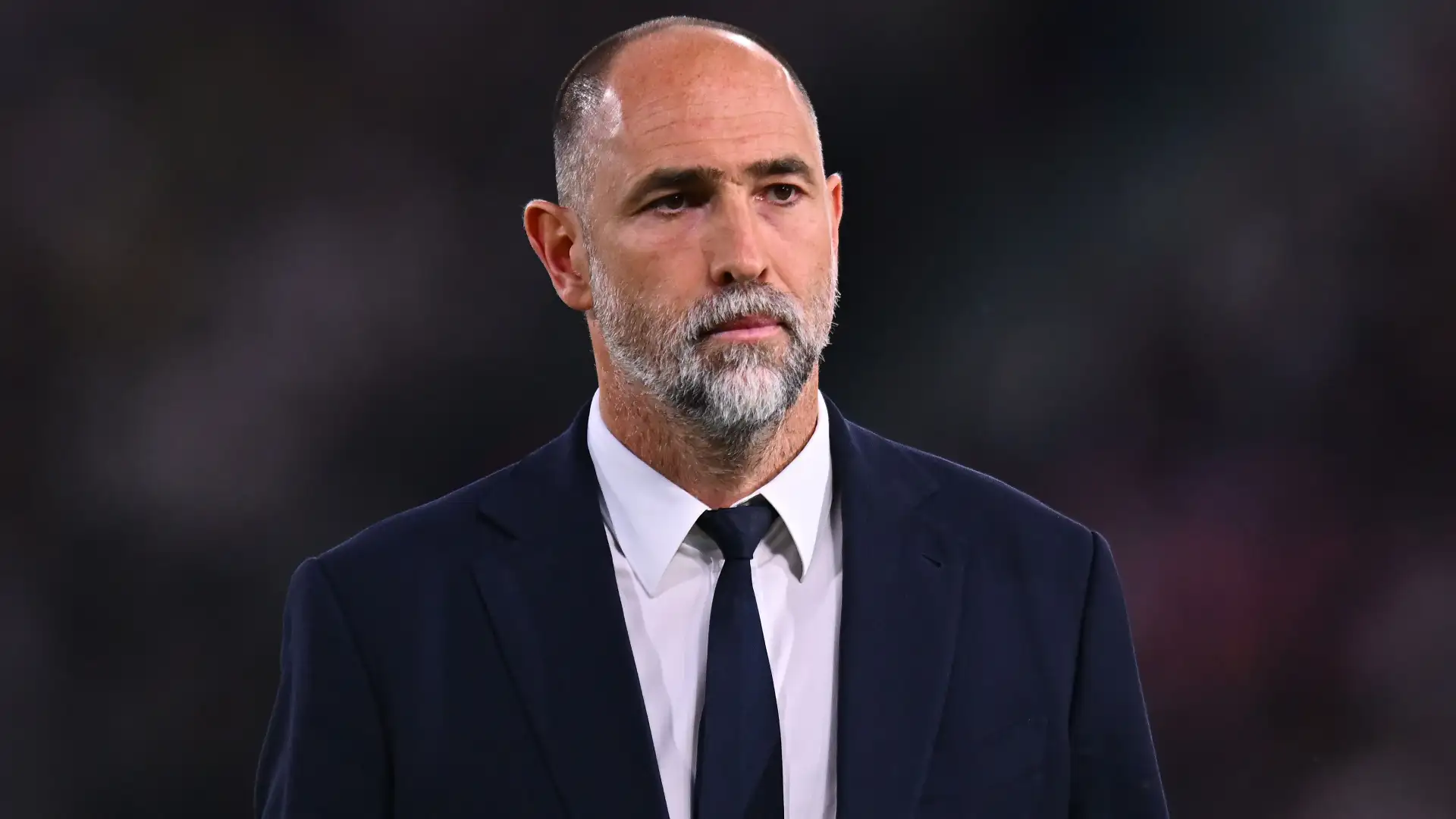
Tottenham Hotspur have reached an agreement to appoint Igor Tudor as interim head coach for the rest of the 2025–26 Premier League season following the dismissal of Thomas Frank earlier this week after a poor run of results. The club is looking for a manager who can make an immediate impact and help steer them clear of relegation danger with just a few months of the season remaining. Tudor has verbally agreed to take over at Spurs on a contract that runs until June 2026, and only the formal signing remains before he officially assumes his duties in North London. Spurs are expected to continue searching for a permanent manager to take charge starting next season.
At 47 years old, the Croatian coach brings a wealth of experience from managerial stints across Europe, including Juventus, Lazio, Marseille, PAOK, and Galatasaray. Tottenham’s troubled league form, with only two wins in their last 17 matches, prompted the decision to seek an experienced interim leader who can stabilise the team and prepare them for a fresh start next season. Initial reports suggest that Tudor will take charge of training ahead of Tottenham’s high profile North London derby against Arsenal in the Premier League, a pivotal clash in Spurs’ fight to secure top flight safety.
Tudor’s coaching background and tactical philosophy
Igor Tudor enjoyed a long playing career as a defender before moving into management, and his coaching has often reflected the combative and disciplined traits he displayed on the pitch. During his recent spell as head coach at Juventus, Tudor primarily operated with a three man defensive unit in formations such as 3 4 2 1, although he occasionally shifted to a 3 5 2 setup depending on available personnel. This tactical flexibility allows his teams to adapt between defensive solidity and attacking fluidity based on match context.

A key element of Tudor’s tactical approach is high pressing and aggressive transitions. His teams often apply pressure high up the pitch, aiming to win possession close to the opposition goal and launch quick attacks. When building from the back, Tudor typically uses defenders in wider positions and brings a midfielder deeper to create a quasi 2 3 2 shape that enhances ball circulation and helps link defence to midfield. This approach can generate momentum and rapid forward movement but also requires high intensity from players to maintain structure.
At Juventus, Tudor’s use of a back three served dual purposes: maintaining compact defensive organisation while offering freedom to wing backs to advance in attack. In midfield, wide players and central midfielders were key to controlling possession and facilitating transitions. Forwards and attacking players were expected to exploit spaces quickly once possession was regained, making direct forward passes and rapid plays crucial components of his offensive design.
Former players and fans have also noted Tudor’s demanding style, with an emphasis on intensity, teamwork, and physicality. His football philosophy aims to combine defensive resilience with proactive attacking play, seeking to entertain while remaining competitive. Tudor himself has previously articulated a preference for courageous and intensive football that entertains supporters and reflects passionate commitment.
Challenges and expectations at Tottenham
Tottenham have endured a difficult season with inconsistent results and mounting pressure near the Premier League relegation zone. By bringing in Tudor, the club is banking on his ability to stabilise results quickly and inject greater energy and tactical coherence into the squad. His experience in turning around teams in short term roles at clubs like Lazio and Juventus appears to be a key factor in Spurs’ decision.

However, Tudor’s recent spell at Juventus ended amid a challenging run, with the Italian club parting ways after a winless streak in league and European fixtures. That mixed record reflects both the opportunities and risks inherent in his appointment. At Tottenham, his task will be to get the best out of a squad under pressure, improve defensive organisation, find consistency in attack, and foster a competitive mentality capable of preserving Premier League status.
In the coming weeks, Tudor’s tactical decisions and adaptability will be tested as Spurs face a series of crucial fixtures. The team’s immediate performance under his guidance, coupled with his ability to communicate his philosophy effectively to the players, will play a significant role in determining whether Tottenham can navigate a difficult season and secure a more stable future.
If Tudor performs well in the interim role, he may even be considered among the candidates for a permanent position, but for now his focus will be on immediate impact and helping Spurs achieve their short term goals while preparing for a managerial transition in the summer.