

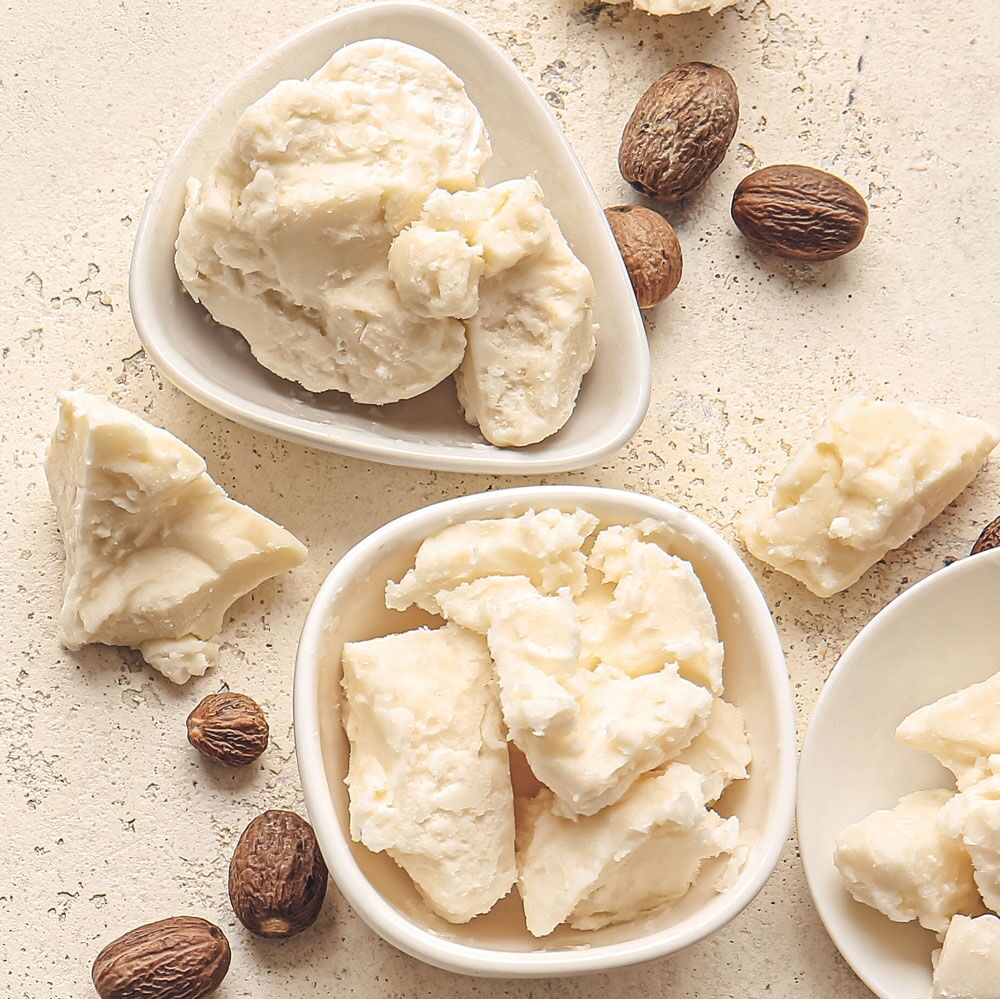
Shea butter, often called “African gold”, isn’t just a beauty product; it’s a cultural legacy, economic powerhouse and natural wonder with deep roots in Ghana and across West Africa. Made from the nut of the shea tree (Vitellaria paradoxa), this creamy, ivory-coloured fat has been part of African life for centuries, and today Ghana is one of its key global producers.
From Tree to Butter: The Traditional Craft
In the savannah regions of northern Ghana, particularly around Tamale, Wa and Bolgatanga, shea trees dot the landscape, producing fruit that ripens between May and August. Women in communities collect the fallen nuts, remove the pulp (used locally as food), and begin a labour-intensive transformation process that has been passed down through generations.
The traditional extraction involves:
- Drying and cracking the nuts to reveal the kernels.
- Roasting and grinding the kernels into a paste.
- Kneading and boiling the paste to release the rich oils that solidify into shea butter once cooled.
- This communal work can take days of careful effort, reinforcing social bonds and cultural continuity.
Although modern facilities now mechanise parts of the process to increase yield and quality, especially for export markets, the traditional handcrafted method is still widely practised and prized for its authenticity.

Deep Cultural Roots in Ghanaian Life
Known locally as “nkuto,” shea butter is more than a product, it’s part of Ghana’s cultural DNA. For generations, families have used it in rituals, healing practices and daily life. Mothers massage newborns with shea butter to protect and soften their skin. It appears in weddings, naming ceremonies and funerals, and is valued for its spiritual symbolism of protection and continuity.
In many northern communities, the shea tree itself is considered sacred, and cultural norms protect it: cutting it down is frowned upon, and harvesting follows traditional customs that emphasise ecological respect and sustainability.
Why Shea Butter Is Beloved for Skin and Hair
What sets shea butter apart is its nutrient-rich composition. It contains a blend of fatty acids like oleic, stearic and linoleic acids, and vitamins A, E and F, all of which help hydrate, protect and heal skin and hair.
Its properties make it one of the most versatile natural remedies:
- Skin moisture and protection: deeply hydrates dry and rough skin and helps protect against environmental stress like wind and sun.
- Anti-inflammatory effects: can calm irritation, eczema and redness.
- Anti-aging support: vitamin A promotes cell regeneration, reducing the appearance of fine lines.
- Hair care: seals moisture, conditions the scalp and helps define curls.
- Healing and therapeutic uses: traditionally used to soothe minor burns, insect bites and cracked skin.
Raw, unrefined shea butter, particularly from Ghana and neighbouring countries, is often richer and more effective than refined versions because key nutrients remain intact.

A Pillar of Ghana’s Economy
The shea industry isn’t just cultural, it’s a critical source of income for millions in Ghana. Women dominate the sector, from collecting nuts to processing kernels and butter. Estimates suggest that hundreds of thousands of women are directly involved in shea labour, supporting household incomes and community development.
Ghana’s shea exports have grown into a globally significant business, with the country exporting tens of thousands of tonnes of shea products annually and generating substantial foreign exchange. The global shea market is valued at billions of dollars, driven by demand in cosmetics, food and pharmaceutical industries.
Despite this success, many producers still operate at the raw or semi-processed stage. Experts argue that boosting value-added production, such as finished creams, balms and hair products, could unlock even greater economic benefit for Ghanaian communities.
Sustainability and the Future
Shea trees also play an environmental role. They help stabilise soil, support biodiversity and act as a natural barrier against desertification, a growing concern in West Africa’s northern zones.
Challenges remain, including climate change, fuelwood demands for traditional production and market pressures. But initiatives promoting sustainable harvesting, fair trade practices and geographic indications aim to protect both shea tree ecosystems and the rights of the communities who steward them.

Conclusion: More Than a Butter
Shea butter is a holistic African asset, one that bridges tradition and innovation, cultural identity and global commerce. For Ghana, it’s a living legacy that moisturises skin, nourishes livelihoods and tells the story of women’s resilience and expertise.