


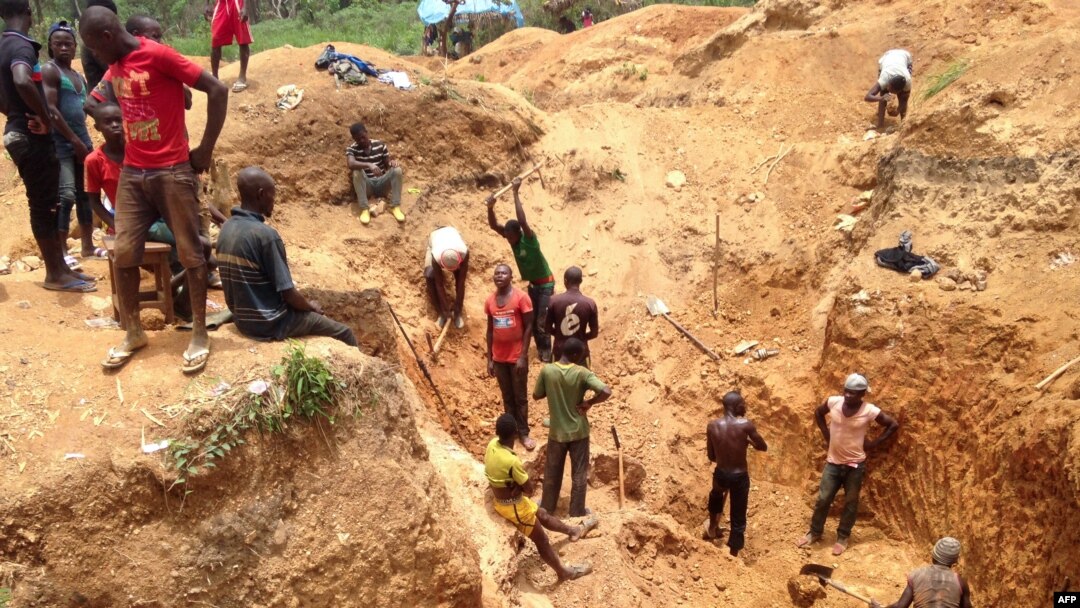
Cameroon is taking decisive action to tighten oversight and control of its gold sector, a move that has seen authorities revoke non-compliant artisanal and small-scale mining permits as part of a broader nationwide mining reform strategy. The government’s determination to clamp down on unregulated gold production and smuggling reflects growing concerns about transparency, economic losses, and the need to formalise one of the country’s most significant natural resources.
Gold has long been one of Cameroon’s most important mineral assets, but until recently the sector has been dominated by artisanal and small-scale mining (ASM) operations that frequently operate outside formal regulatory frameworks. This informality has contributed to significant discrepancies between officially reported gold exports and international trade data, prompting authorities to rethink how gold mining is governed and monitored.
Revocation of permits and regulatory enforcement
In late 2025, the Cameroonian government announced that it would begin revoking permits held by artisanal and semi-mechanised mining operators that fail to comply with updated regulatory standards. This action is part of an effort to strengthen gold traceability systems, enforce compliance with the Mining Code, and close loopholes that have allowed illicit gold exports and opaque trading practices to flourish.
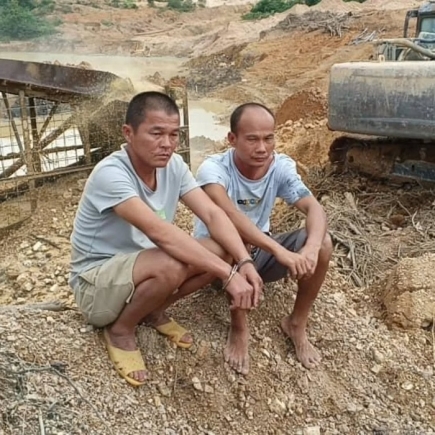
The decision specifically targets mining permits issued to operations that do not adhere to stipulated requirements, including proper ore processing methods and traceability mechanisms. In addition to revoking non-compliant permits, authorities have signalled that certain artisanal gold mining sites will be closed entirely starting in January 2026 if they lack proper processing systems and oversight.
These enforcement measures are designed to bring more of Cameroon’s gold sector into the formal economy. By tightening controls at the permit level and ensuring compliance with legal and environmental standards, the government aims to improve revenue collection, reduce illicit trade, and create a more transparent and accountable mining environment.
Addressing illicit trade and export discrepancies
The drive to tighten gold controls was influenced in part by findings that highlighted huge inconsistencies in gold export figures attributed to Cameroon. Officials noted that gold volumes recorded in national export data were vastly lower than import figures reported by key trading partners, particularly the United Arab Emirates, which has historically been a major destination for African gold.

In 2023, Cameroon officially reported exporting just 22.3 kilograms of gold, while international trade data indicated imports of approximately 15.2 tonnes of gold linked to the country. More than 90 percent of these volumes were associated with the UAE, underscoring the scale of undocumented gold flows.
This stark gap points to extensive illicit gold trading and smuggling, with much of the unrecorded gold believed to be moving through informal channels before being declared under Cameroonian origin. The government’s crackdown on permits and artisanal operations is aimed at closing these loopholes and ensuring that gold production and export statistics reflect actual market activity.
Strengthening institutional oversight and traceability
As part of the mining reforms led by the Ministry of Mines, Industry and Technological Development, Cameroon is placing increased emphasis on institutional oversight and gold traceability. A central component of this strategy is expanding the role of SONAMINES, the state-owned national mining company, in purchasing and marketing domestically produced gold.
By centralising gold purchasing and requiring proper documentation, authorities aim to reduce incentives for smuggling and ensure that production is captured within official channels. The reforms also include closing non-compliant mining sites that fail to meet requirements such as closed-loop processing systems, environmental safeguards, and safety standards.
Economic and social dimensions of reform
Beyond revenue protection, Cameroon’s gold control reforms seek to build a more sustainable and regulated mining ecosystem. Artisanal mining supports thousands of livelihoods, particularly in rural communities, and the government has acknowledged the importance of balancing enforcement with economic inclusion.
Authorities have indicated that future measures may focus on formalising small-scale miners, providing technical assistance, and creating legal pathways for participation in the gold sector. However, observers warn that abrupt closures or permit revocations could push miners further into informal activity if alternative options are not provided.
Despite these challenges, the government remains committed to strengthening mining governance as a pillar of national economic development. By curbing illicit trade, updating regulatory frameworks, and increasing state participation in mineral value chains, Cameroon aims to maximise the economic benefits of its gold resources while improving transparency and accountability.
Outlook for Cameroon’s gold sector
Cameroon’s decision to tighten gold controls and revoke non-compliant mining permits marks a pivotal moment in the country’s mining reform agenda. As enforcement intensifies, the effectiveness of traceability systems, institutional oversight, and formalisation efforts will be closely monitored by industry stakeholders and international partners.
The reforms align with a broader regional push toward formalising artisanal mining, combating smuggling, and safeguarding public revenues from strategic natural resources. Their long-term success will depend on consistent implementation, stakeholder engagement, and the ability to integrate small-scale miners into a transparent and regulated gold economy.