

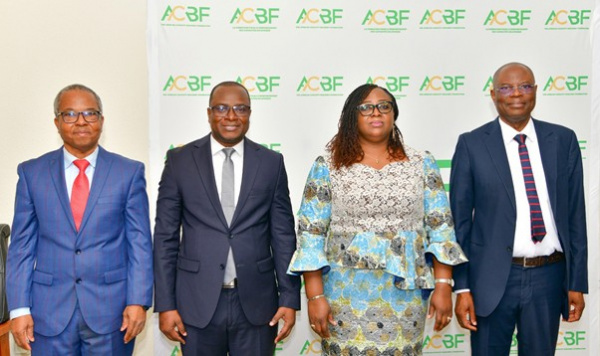
From 9 to 13 February 2026, Lomé, the capital of Togo, became a central hub for African fiscal policy dialogue with a high-level regional workshop on climate-sensitive tax policies. The event brought together senior officials from finance ministries and revenue administrations, policy experts, and regional stakeholders from across the continent to explore how fiscal systems can be reoriented to respond more effectively to the dual imperatives of climate change and domestic resource mobilisation.
Context: Climate change and fiscal challenges in Africa
Africa’s vulnerability to climate change is well documented: despite contributing a relatively small share of global greenhouse gas emissions, the continent is disproportionately affected by extreme weather events, drought, floods, and rising temperatures. These climate impacts strain public services and national budgets, threatening economic stability. At the same time, most African nations operate with constrained fiscal space, where tax revenues average around 15 per cent of GDP, well below the levels needed to finance essential public services and climate resilience investments.
In this context, policymakers are increasingly exploring how tax systems can be designed to both mobilise revenue and support climate goals. Climate-sensitive taxation refers to fiscal instruments that incorporate environmental and climate considerations such as carbon and pollution taxes, tax incentives for green investments, and environmental levies ensuring that tax policy not only raises resources but also incentivises sustainable behaviour.
The Lomé workshop: Objectives and participants

Organised under the initiative of the African Capacity Building Foundation (ACBF) in collaboration with the Forum of Western African Tax Administrations (FAFOA), the Lomé workshop aimed to equip high-level tax and finance officials from eight African countries with the analytical tools and policy insights needed to integrate climate considerations into tax systems. Participants included representatives from Togo, the Central African Republic, the Democratic Republic of Congo, Malawi, Mauritania, The Gambia, Rwanda, and Uganda.
Over five days of discussions, plenary sessions and interactive presentations explored a range of topics, including:
- Incorporating climate risk into national tax planning, ensuring that fiscal policies contribute to climate adaptation and mitigation objectives.
- Designing climate-aligned tax measures, including the use of emissions pricing and environmental levies to address negative externalities.
- Green tax incentives and their trade-offs, with a focus on stimulating investment in renewable energy, energy efficiency, and climate-resilient infrastructure.
- Mainstreaming climate outcomes into fiscal frameworks, so that tax policy supports long-term climate commitments and sustainable development goals.
Experts emphasised that climate-sensitive taxation must be context-specific, reflecting the diverse economic structures and administrative capacities of African countries. Participants also stressed the importance of fairness, ensuring that new fiscal measures do not disproportionately burden low-income households or vulnerable communities.
Strategic importance of climate-sensitive taxation
Climate-sensitive tax systems are increasingly recognised as strategic tools not only for environmental protection but also for strengthening domestic resource mobilisation. Redirecting fiscal policy toward climate objectives can help governments generate predictable revenue streams that can be reinvested in climate adaptation and mitigation initiatives.
Well-designed carbon pricing mechanisms, for example, can simultaneously encourage emissions reductions and create new revenue sources. Environmental taxes can discourage pollution while promoting cleaner production methods and sustainable consumption patterns. When paired with effective public spending, these instruments can contribute to economic resilience and long-term growth.
Capacity building and regional cooperation were highlighted as essential components of successful implementation. Institutions such as regional tax forums and professional networks play a critical role in sharing best practices, harmonising approaches, and strengthening the technical capacity of tax administrations across the continent.
Political and institutional commitment
At the opening of the workshop, senior officials from Togo’s Ministry of Economy and Budget reaffirmed the government’s commitment to fiscal reforms that align taxation with climate resilience and sustainable development. The authorities highlighted ongoing efforts to modernise tax systems, improve compliance, and integrate environmental considerations into economic policy planning.
Discussions also examined how climate-sensitive tax policies align with broader continental and global commitments, including national climate action plans and international climate agreements. Participants noted that effective tax reform could help African countries meet their climate obligations while reducing dependence on external financing.
The Lomé workshop represents a growing consensus among African policymakers that tax policy must evolve to address climate realities. As climate risks intensify and fiscal pressures mount, innovative and climate-aligned taxation offers a practical pathway toward sustainable development.
Participants concluded the meeting with a shared commitment to continued collaboration, knowledge exchange, and the development of practical policy recommendations that can be adapted at the national level. By integrating climate considerations into fiscal systems, African countries are positioning themselves to build more resilient economies while advancing environmental sustainability and social equity.