

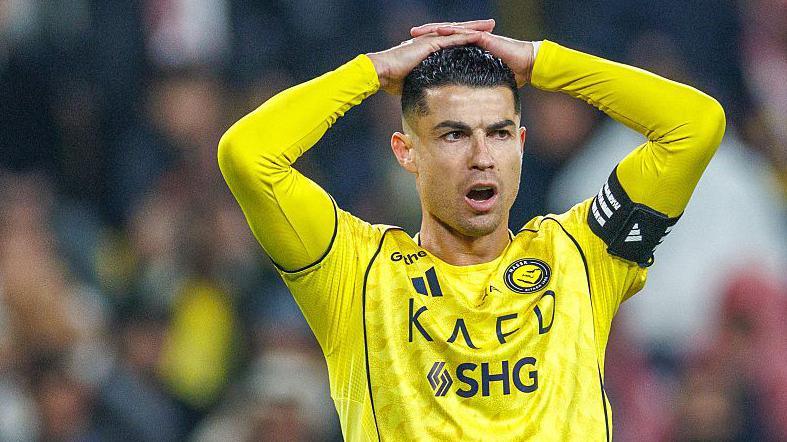
Portuguese football superstar Cristiano Ronaldo is poised to end a highly publicised strike at Saudi Pro League club Al‑Nassr and return to first‑team action as the club continues its season‑long pursuit of domestic honours. The 41‑year-old’s refusal to play for his club in recent fixtures has dominated headlines in world football, prompting widespread pundit commentary, league responses, and speculation about his future both at Al‑Nassr and beyond.
Ronaldo’s absence from Al‑Nassr’s matchday squads in early February came as a major surprise given his status as both club captain and the team’s leading goalscorer this season. Reports indicate the striker sat out Al‑Nassr’s league wins over Al Riyadh and Al Ittihad after becoming disillusioned with the club’s transfer strategy during the January window and broader management decisions linked to ownership by Saudi Arabia’s Public Investment Fund (PIF).
Origins of the dispute
According to sources close to the situation, Ronaldo’s strike stemmed from several interconnected grievances. Key among these was his frustration that Al‑Nassr did not significantly reinforce the squad in January particularly in contrast to rivals like Al Hilal, who made high‑profile additions including former Real Madrid teammate Karim Benzema. Ronaldo reportedly viewed this imbalance as diminishing Al‑Nassr’s competitive prospects, especially as the Saudi Pro League title race intensified.

Additional issues cited include concerns over delayed payments to club staff and the reduced influence of close allies within Al‑Nassr’s hierarchy. Reports reveal that Ronaldo wanted club CEO José Semedo and sporting director Simão Coutinho restored to their full powers, as he trusted their football-related decision-making more than alternatives introduced during the mid-season changes.
The combination of these factors reportedly led Ronaldo to take the unusual step of refusing selection, a move that sent shockwaves through Saudi football and provoked reactions from pundits and league authorities alike.
Al‑Nassr and league response
The Saudi Pro League (SPL) responded to Ronaldo’s absence with a public statement underscoring that “no individual however significant determines decisions beyond their own club,” emphasising that each team operates independently within an agreed competitive and financial framework. This message was widely interpreted as a direct rebuke to Ronaldo’s conduct, reaffirming league governance principles and discouraging similar actions by other players.
Within the media, opinions have been divided. Former Premier League star Danny Murphy was among the critics, branding Ronaldo’s strike as “self-indulgent nonsense,” and questioning his willingness to protest given a reported daily wage in excess of £400,000 one of the highest in world football. Critics argued that Ronaldo’s stance risked damaging his reputation and undermined team unity at a crucial stage of the season.
Others, however, took a more sympathetic view, suggesting that Ronaldo was asserting agency over his career and pushing for standards he believes are necessary for success. Some pundits noted that his actions could be interpreted as an expression of leadership, holding club decision-makers to account rather than simply accepting the status quo.
Resolution and expected return
After a tense period in which Ronaldo continued to train but shunned competitive action, multiple reports now indicate that a resolution has been reached. Following high-level talks involving Ronaldo, Al‑Nassr management, and representatives from PIF, outstanding staff salaries have reportedly been settled, and key executives have had their responsibilities restored — satisfying several of Ronaldo’s conditions for returning to play.

With these issues addressed, Al‑Nassr officials expect Ronaldo to end his strike and be available for selection for their upcoming Saudi Pro League match against Al Fateh on Saturday, February 14, while he may be rested for midweek continental fixtures. This return is seen as a crucial boost for Jorge Jesus’s side as they sit second in the league, closely trailing champions Al Hilal.
Pundit and fan perspectives
The saga has sparked extensive discussion among pundits and supporters worldwide. Critics argue that Ronaldo’s strike regardless of its motivations risked setting a problematic precedent, suggesting that elite players could leverage their status to influence club policy. However, others contend that a player of Ronaldo’s stature brings immense value both on and off the pitch, and that his insistence on structural clarity and competitive ambition is understandable, especially at this stage of his storied career. Though opinions vary, most agree that his return offers Al‑Nassr a significant uplift in their title bid.
As Ronaldo prepares to resume playing, attention will now shift back to his on-field contributions. With a long career still aiming for further success including preparation for the 2026 FIFA World Cup with Portugal Ronaldo’s next chapters at Al‑Nassr and beyond will be closely watched.
For now, the resolution of this unusual strike highlights both the influence of mega-stars in modern football and the delicate balance clubs must maintain between managing global icons and preserving institutional autonomy.