

The Convention People’s Party (CPP) has forcefully weighed in on the ongoing national debate over the proposed renaming of Kotoka International Airport, saying that state monuments and public institutions should be devoted only to individuals whose lives and legacies reflect genuine patriotism and democratic ideals. The remarks from the CPP underscore growing tensions in Ghana’s political discourse as the government’s plan to change the name of the country’s premier international gateway continues to attract public attention.
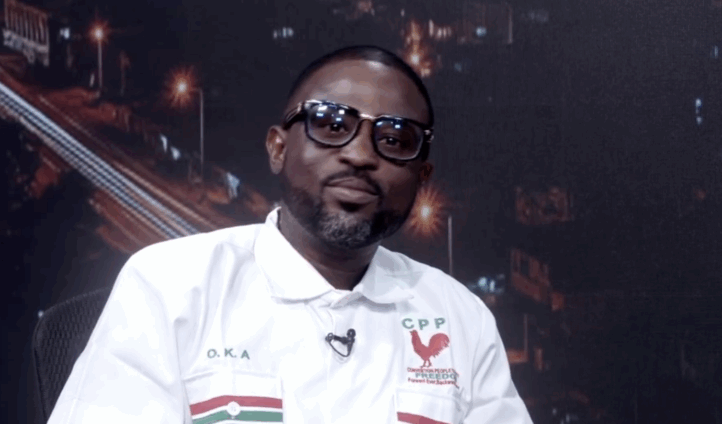
Speaking on Joy News’ PM Express programme on Wednesday, CPP National Communication Director Osei Kofi Acquah criticised what he described as a dilution of historical and democratic values in the way Ghana currently bestows national honours. He argued that the naming of streets, buildings, monuments, and other prominent institutions should not be taken lightly, especially when such honours can influence how future generations understand the nation’s history.
“It is very, very sad to hear people who are supposed to be patriots, people who are supposed to be democrats speak this way,” Mr. Acquah said, in reference to parts of the public discourse that question or oppose the renaming. He stressed that state symbols and recognitions must be carefully aligned with individuals whose contributions unequivocally advanced Ghana’s democratic development rather than undermined it.
The CPP’s comments follow an official announcement by Majority Leader Mahama Ayariga that the government intends to rename Kotoka International Airport named after Major General Emmanuel Kwasi Kotoka, a central figure in the 1966 coup d’état to Accra International Airport. That announcement, made ahead of Parliament’s Second Session of the Ninth Parliament, has reignited debates about national memory, historical legacy, and how Ghana honours its past.
For the CPP, the issue transcends a simple change of name. Mr. Acquah emphasised that letting individuals with controversial or anti-democratic legacies be immortalised through state honours could send the wrong message about national values and heritage. He asserted that such honours should be rooted in true patriotism which, in his view, aligns with democratic legitimacy and the will of the people.
In discussing Ghana’s founding history, Mr. Acquah defended the democratic origins of the government led by Dr. Kwame Nkrumah, the country’s first President. He strongly rejected narratives that justify or sanitise the actions of those who overthrew Nkrumah, saying that Ghana’s democratic path began with the clear expression of the people’s will through lawful means rather than force.
“Correctly said, Kwame Nkrumah’s government did not come to power through the power of a gang,” Mr. Acquah stated. “It was Ghanaians who decided that we want to start a nation by being democratic, by having a government that is for the people, by the people.” He reiterated the importance of recognising that the First Republic was founded on those principles rather than on coercion or military intervention.
The CPP spokesman also did not hesitate to criticise those responsible for the 1966 coup that brought down Nkrumah, describing them as acting out of cowardice rather than patriotism. He referenced how, even as they overthrew the government, some of those involved later participated in symbolic gestures that belied the violent nature of their actions.

The controversy over renaming Kotoka International Airport has drawn opinions from a wide array of quarters. While some voices endorse the change as part of Ghana’s effort to steer away from glorifying figures tied to coups and to honour icons of democracy and nation building instead, others argue that the name has become part of national identity and should remain unchanged.
Beyond the CPP’s position, the broader public debate touches on how Ghana remembers its past and whose contributions are celebrated through national symbols. Critics of the existing name argue that remembering individuals associated with coups even indirectly may contradict modern democratic values, while supporters of change say that a more inclusive, representative form of honouring history will better reflect the aspirations of today’s Ghana.
As discussions continue in Parliament and across public platforms, the government’s proposal to rename the airport has presented Ghanaians with deeper questions about heritage, identity, and how national achievements should be recorded for posterity. The CPP’s intervention highlights the emotional, historical, and ethical layers inherent in the debate, suggesting that decisions about national monuments are as much about collective memory as they are about politics.