

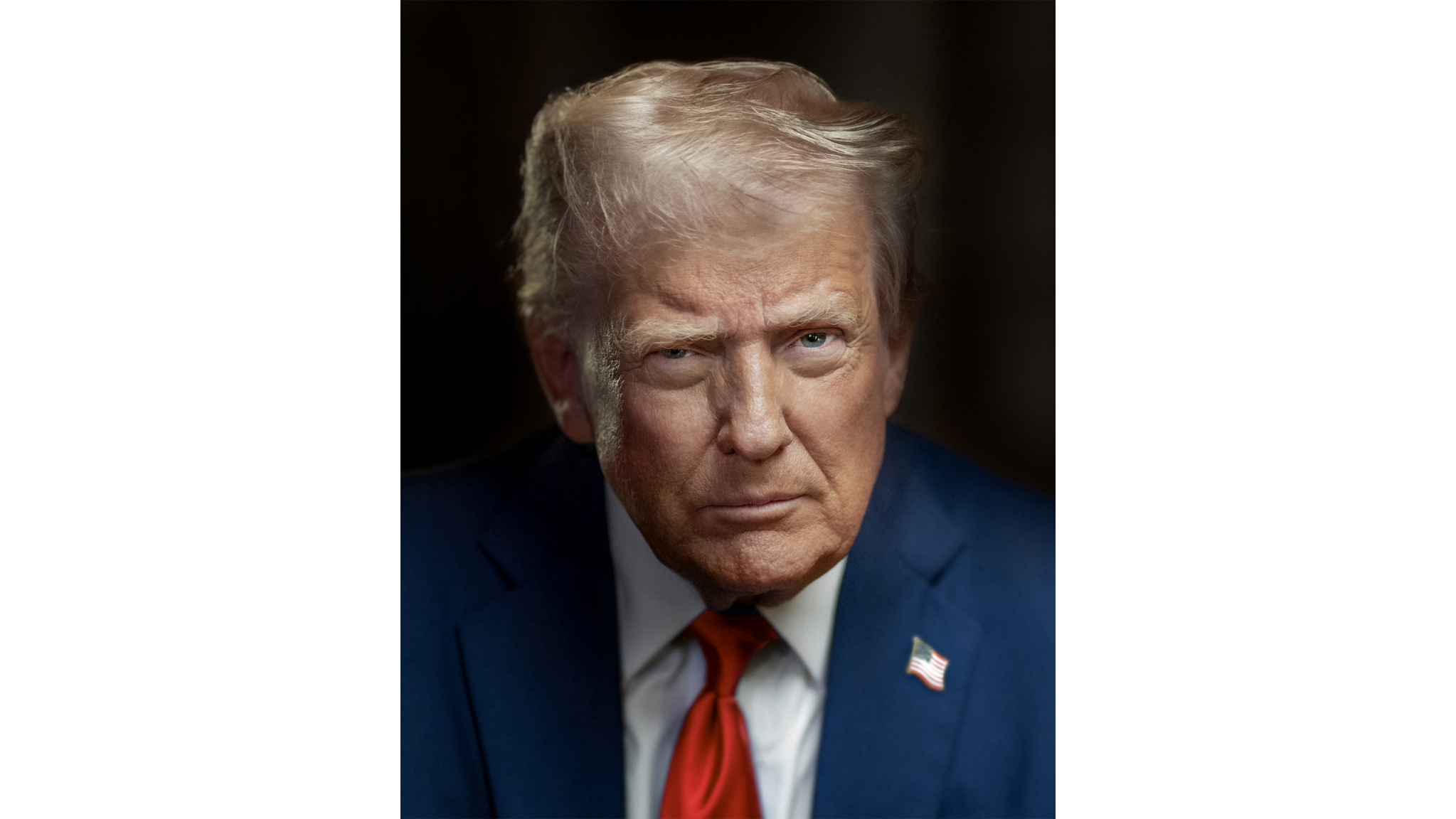
U.S. President Donald Trump has signed a $1.2 trillion federal spending bill into law, successfully ending a partial government shutdown that had shuttered many federal operations earlier this week. The legislation was approved in a closely contested House vote, providing short-term relief to government agencies and federal employees, but has set the stage for a fresh and potentially contentious budget fight especially over the future of Immigration and Customs Enforcement (ICE) funding.
Trump signed the spending package on Tuesday, February 3, 2026, after the House of Representatives narrowly passed it 217–214, following earlier approval in the Senate. The move came just days after a partial funding lapse forced several federal departments to halt non-essential operations, furloughing some workers and disrupting government services. The bill’s passage avoided a prolonged shutdown and restored federal functions through the end of the fiscal year on September 30, 2026.
“It’s a great victory for the American people,” President Trump stated upon signing the budget, underscoring his support for the compromise measure that ultimately kept the government open.
Temporary homeland security funding and a new deadline
Despite ending the shutdown, the funding deal only provides a temporary extension for the Department of Homeland Security (DHS) and, by extension, ICE through February 13, 2026. This limited funding extension was a key point of negotiation among lawmakers, particularly amid rising political pressure over immigration enforcement practices following the fatal shooting of two U.S. citizens by federal agents in Minneapolis late last month.
Rather than secure long-term funding for DHS and its sub-agencies, Congress agreed to a short funding window to allow more time for lawmakers to negotiate over long-term policy goals, especially around ICE. This creates a new budget “cliff” a looming deadline by which lawmakers must reach an agreement or risk another partial government shutdown, this time centered on immigration enforcement.
Democrats push for ICE reform
Democratic leaders have seized on the temporary funding extension as leverage to demand reforms within ICE and broader DHS operations. They argue that recent federal immigration enforcement actions raised serious concerns over transparency, accountability, and oversight particularly where use of force is involved. Their demands include measures such as requiring immigration agents to wear body-worn cameras, restricting the use of masks during enforcement operations to prevent anonymity, and implementing stricter procedures for arrests and deportations.

House Democratic Leader Hakeem Jeffries made clear that Democrats would not support any further short-term funding for DHS without meaningful changes to current enforcement protocols. “We need dramatic change in order to make sure that ICE and other agencies within the Department of Homeland Security are conducting themselves like every other law enforcement organisation in the country,” Jeffries said, foreshadowing tough negotiations ahead.
Republican pushback and political tensions
Republican lawmakers have pushed back against many of the proposed reforms, arguing that stricter enforcement and border security measures are essential to national safety. Many GOP members also resisted tying long-term DHS funding to reforms, viewing it as a negotiating tactic rather than a structural solution. Despite the divisions, Speaker of the House Mike Johnson expressed optimism that lawmakers could work in “good faith” to reach an agreement before the next funding deadline.
Senate Majority Leader John Thune struck a more cautious tone, acknowledging the difficulty of reconciling sharply divergent views within his own party and across the aisle. With only a narrow Republican majority in the House and key moderates in both chambers, the legislative path forward remains uncertain.
What this means for the future
While the recent spending bill ended an immediate shutdown, its passage underscored that major disagreements over immigration policy and agency funding remain unresolved. The temporary nature of DHS funding offers a window of negotiation but also heightens the risk of another shutdown if lawmakers cannot agree by the mid-February deadline.
ICE funding a flashpoint in broader debates over immigration enforcement and accountability — now stands at the centre of what could be the next major congressional battle. Both parties are under pressure from their bases: some Republican lawmakers insist on robust enforcement and border security funding, while many Democrats press for structural reforms to protect civil liberties and ensure oversight of federal agents.
Impact and outlook
For federal employees and Americans dependent on government services, the end to the shutdown brought immediate relief, but lingering uncertainty remains about the future of DHS operations. Essential agencies such as the Coast Guard, Transportation Security Administration (TSA), and Customs and Border Protection will continue functioning only if new funding is approved before the current extension expires.
In the weeks ahead, Washington will remain intensely focused on whether Congress can bridge the divide over ICE and broader DHS policy debates or whether the next funding cliff will plunge parts of the federal government back into shutdown mode.