NIA increases prices for Ghana Card services

0
226

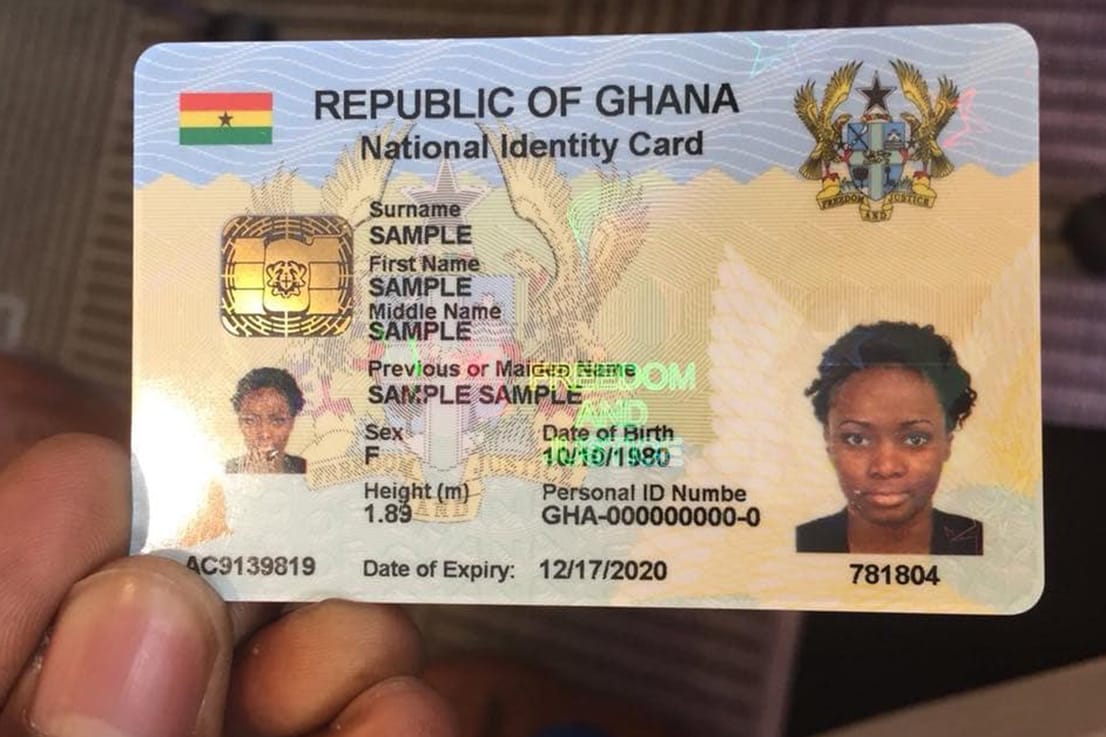
The National Identification Authority (NIA) of Ghana has announced an upward revision of fees for services related to the Ghana Card, the country’s national identity document. The adjustment, effective immediately, affects a range of transactions including new registrations, replacements, renewals and express processing options.

According to the NIA, the price changes are a response to rising operational costs, improvements in service quality, and the need to sustain the Ghana Card system as it expands across the country. The authority said the updated fee structure will support ongoing investments in technology, staff training, and distribution networks, particularly in harder-to-reach regions.

Under the new fee regime, key service changes include:

  • New Ghana Card registrations will see an increase in the standard processing charge.
  • Replacement cards, issued to individuals who have lost, damaged or exhausted their Ghana Card, will cost more than before.
  • Renewal and update services, for name changes, demographic corrections or updates, also attract higher fees.
  • Express service options, which expedite turnaround times, have been significantly adjusted to reflect the additional resources required.
NIA
Ghana Card

The NIA emphasised that the Ghana Card remains an essential identity document for accessing a wide range of services, including SIM registration, passport applications, social protection programmes, banking services, and voter registration. It encouraged citizens to register early and complete all updates before mandatory deadlines set by various public and private institutions.

Officials said the authority has put in place measures to cushion vulnerable groups, including provisions for free or reduced-fee services for persons with disabilities, the elderly, and individuals in extreme poverty, subject to verification and approval under existing policy frameworks.

Some civil society groups and consumer advocates have raised concerns about the fee increases, noting that higher costs may create barriers for low-income residents in rural areas. They are calling on the government to ensure accessibility and consider phased or subsidised implementation to avoid exclusion.

The NIA responded that fee adjustments were carefully calibrated with reference to benchmarking exercises across similar national identity systems in the region, and that the authority will continue engaging stakeholders on service delivery and affordability.

NIA increases prices for Ghana Card services

Users wishing to access updated fee schedules and service guidelines are encouraged to visit the NIA’s official website or contact the nearest regional or district NIA office for assistance.

GFA Extends Presidential Term Limit to 12 Years

Author

  • Daniel Ablordey

    Daniel Ablordey is a Business Analytics student at the University of Ghana Business School and an emerging strategist at the intersection of data, markets, and narrative. With a keen analytical mind and a passion for African business and economic trends, he is building a career focused on translating complex data-driven insights into accessible, decision-relevant stories that matter.

    As a writer and editor with Insight Ghana, African Business Insight, and The African Journal, Daniel delivers sharp, high-impact analysis on current affairs, business developments, and emerging trends across the continent. His work is defined by precision, clarity, and a deep commitment to responsible journalism — ensuring that every story he tells is not only accurate but meaningful to the audiences it serves.

    Beyond his editorial work, Daniel serves as an Ecobank Youth Ambassador, where he actively promotes financial inclusion, digital banking, and financial literacy among young Ghanaians. His leadership experience spans academic, professional, and faith-based institutions, where he has consistently driven initiatives centered on growth, structure, and long-term impact.

    Grounded in the principles of Pan-Africanism and service, Daniel brings a rare combination of analytical rigour and storytelling depth to his work. Whether unpacking market behavior, profiling emerging business leaders, or covering cultural shifts shaping the continent, he approaches every assignment with strategic intent and editorial integrity.

    His broader ambition is to contribute to Africa's transformation by shaping how data, business, and storytelling intersect — not just locally, but on a global stage.

Previous articleGhana gold refining agreement signals economic gains and job creation
Next articleGhana IMF programme performance highlights path to sustainable recovery
Daniel Amenyo Ablordey
Daniel Ablordey is a Business Analytics student at the University of Ghana Business School and an emerging strategist at the intersection of data, markets, and narrative. With a keen analytical mind and a passion for African business and economic trends, he is building a career focused on translating complex data-driven insights into accessible, decision-relevant stories that matter.

As a writer and editor with Insight Ghana, African Business Insight, and The African Journal, Daniel delivers sharp, high-impact analysis on current affairs, business developments, and emerging trends across the continent. His work is defined by precision, clarity, and a deep commitment to responsible journalism — ensuring that every story he tells is not only accurate but meaningful to the audiences it serves.

Beyond his editorial work, Daniel serves as an Ecobank Youth Ambassador, where he actively promotes financial inclusion, digital banking, and financial literacy among young Ghanaians. His leadership experience spans academic, professional, and faith-based institutions, where he has consistently driven initiatives centered on growth, structure, and long-term impact.

Grounded in the principles of Pan-Africanism and service, Daniel brings a rare combination of analytical rigour and storytelling depth to his work. Whether unpacking market behavior, profiling emerging business leaders, or covering cultural shifts shaping the continent, he approaches every assignment with strategic intent and editorial integrity.

His broader ambition is to contribute to Africa's transformation by shaping how data, business, and storytelling intersect — not just locally, but on a global stage.