

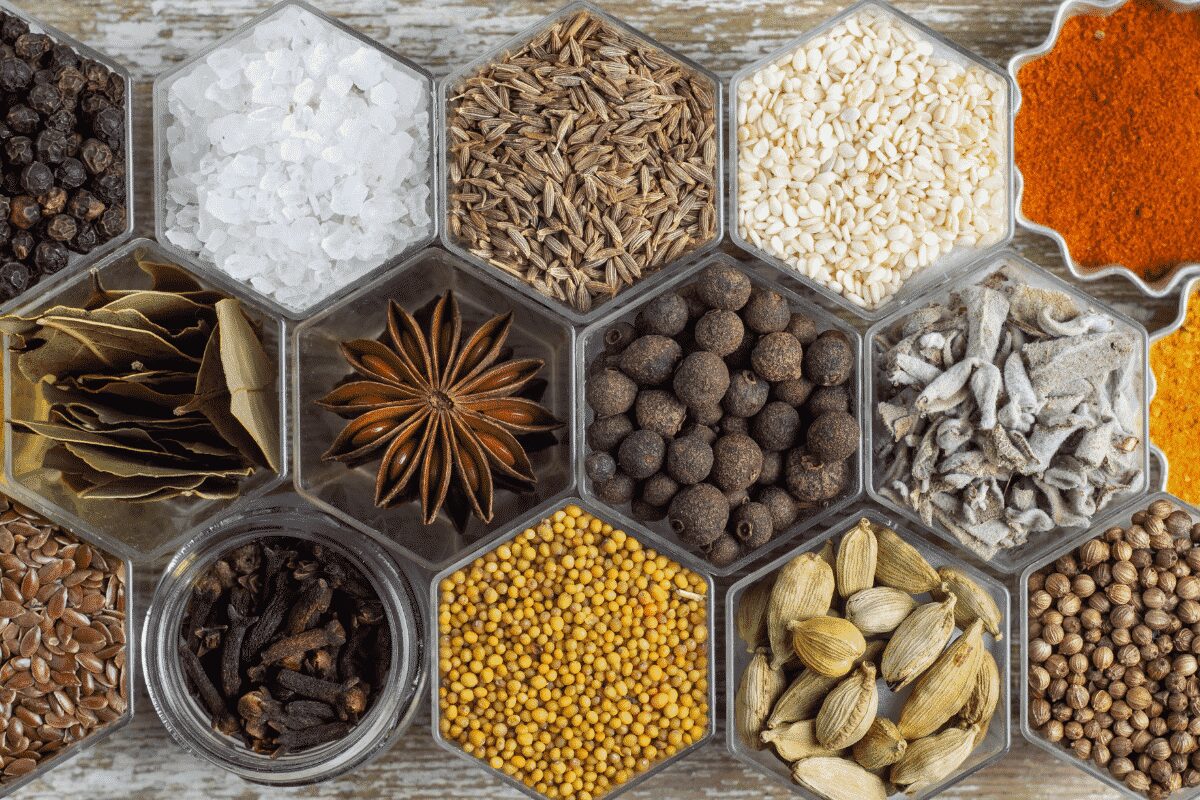
When we think of Ghanaian food, our minds often jump to the vibrant colors of Jollof rice or the hearty texture of Fufu. But the true magic of West African cuisine lies in its foundation: the aromatic, potent, and medicinal herbs that flavor these dishes.
For generations, our grandmothers have known something that modern science is only just catching up to. The benefits of local Ghanaian spices go far beyond taste. From regulating blood sugar to fighting inflammation, these indigenous ingredients are powerful superfoods hiding in plain sight.
If you have been overlooking these local gems in the market, it is time to take a second look. Here are the secret health benefits of the Ghanaian spices you’ve been ignoring.
1. Prekese (Aidan Fruit)
Scientific Name: Tetrapleura tetraptera
You know that distinct, sweet aroma that fills the air when light soup is boiling? That is Prekese. Often referred to as the “soup perfume,” this spice is a heavy hitter in the world of medicinal plants.
The Secret Benefit: Heart Health and Postpartum Recovery
While it is famous for flavor, Prekese is traditionally used to manage hypertension. It is rich in potassium and essential antioxidants that support blood flow and heart health.
Furthermore, it is a staple for new mothers. In traditional medicine, Prekese is boiled into soups to prevent postpartum contraction pain and boost milk production. Its high calcium and iron content helps replenish nutrients lost during childbirth.
- How to use it: Crush the pod slightly and toss it into palm nut or light soup. You can also boil it in water with ginger and lemon for a detox tea.

2. Hwentia (Grains of Selim)
Scientific Name: Xylopia aethiopica
Hwentia is the slender, dark brown pod you often see bundled together in the market. It has a musky, peppery flavor that is unmistakable in Hausa Koko and Sobolo.
The Secret Benefit: Respiratory Relief and Rheumatism
If you struggle with breathing issues, Hwentia might be your natural ally. The fruit possesses strong anti-inflammatory and bronchodilatory properties, making it effective for treating bronchitis, asthma, and chronic coughs.
Research also suggests that the anti-inflammatory compounds in Hwentia can help soothe the joint pain associated with rheumatism. It acts as a natural purifier, helping the body eliminate toxins.
- How to use it: Break the pods and grind them for pepper soup, or steep them whole in hot water for a respiratory-cleansing tea.
3. Efom Wisa (Grains of Paradise)
Scientific Name: Aframomum melegueta
Often confused with standard black peppercorns, Efom Wisa is actually a member of the ginger family. It offers a complex flavor profile—woody, floral, and spicy all at once.
The Secret Benefit: Metabolic Booster and Aphrodisiac
One of the most potent benefits of local Ghanaian spices like Efom Wisa is their ability to fire up your metabolism. The seeds contain bioactive compounds (like 6-paradol) that can activate brown fat, helping your body burn calories more efficiently.
Culturally, it is also revered as a natural aphrodisiac and is used to treat sexual weakness. Its warming properties improve blood circulation, which is vital for reproductive health.
- How to use it: Use it as a direct substitute for black pepper in marinades, stews, and shito.
4. DawaDawa (African Locust Bean)
Scientific Name: Parkia biglobosa
Before the invention of bouillon cubes, there was DawaDawa. This fermented seed is the king of umami in Northern Ghanaian cuisine, essential for an authentic Angwa Mo or stew.
The Secret Benefit: Vision and Blood Pressure Control
Do not let the pungent smell fool you; DawaDawa is a nutritional powerhouse. It is exceptionally rich in protein and Vitamin A, which is crucial for maintaining good eyesight.
For those watching their heart health, the fermented seeds contain peptides that act similarly to ACE inhibitors, medication used to treat high blood pressure. Adding DawaDawa to your diet is a delicious way to naturally support hypertension management.
- How to use it: Crumble the patty into soups, Jollof, or stews. It adds a savory depth that artificial seasoning cubes simply cannot match.

5. Hwediaba (Calabash Nutmeg)
Scientific Name: Monodora myristica
Hwediaba looks like a large, ornamental nutmeg but carries a much stronger, woodier aroma. It is often found in the spice blends for goat soup and medicinal drinks.
The Secret Benefit: Headache Relief and Cholesterol Reduction
This spice is more than just a flavor enhancer; it is a traditional remedy for headaches and migraines. The essential oils in the seeds have a calming effect on the nervous system.
Additionally, studies indicate that Calabash Nutmeg can help lower “bad” cholesterol (LDL) levels. By integrating this spice into your diet, you are actively fighting against the buildup of cholesterol in your arteries.
- How to use it: Roast the seeds lightly to release the oils, peel off the shell, and grind the inner seed into your tomato stews.
Why You Should Switch to Local Spices Today
The modern diet is often saturated with artificial additives and high-sodium seasonings. By returning to the benefits of local Ghanaian spices, you are not just preserving a culinary heritage; you are choosing health.
These spices offer a “food as medicine” approach that treats the body holistically. Whether you are looking to boost your immune system with Prekese or improve your digestion with Hwentia, the local market has the answer.
Quick Tips for Storage
Grind fresh: For spices like Efom Wisa and Hwediaba, grind them only when you are ready to cook to keep the oils potent.
Keep them dry: Moisture is the enemy. Store your Hwentia and Prekese in airtight jars.
Health Benefits Of Pepper In Our Ghanaian Diet You Should Know – Insight Ghana