

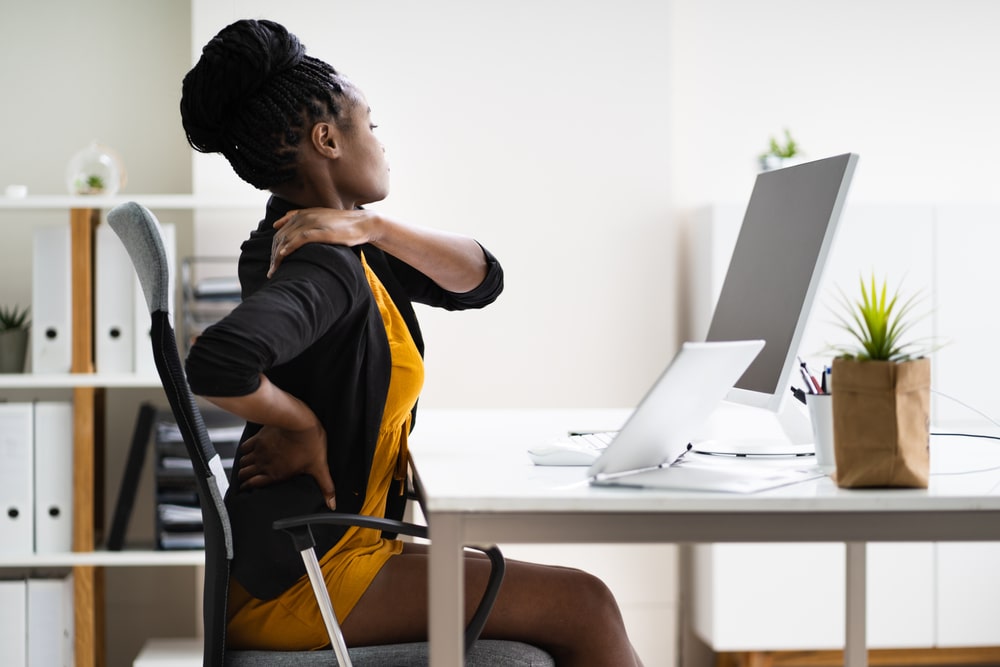
Sitting has become one of the most common daily habits in the modern world, yet it is also one of the most dangerous. From working at desks to commuting, watching television, and scrolling on phones, many people spend most of their day sitting. While this may seem harmless, research increasingly shows that prolonged sitting is slowly destroying health in ways that are easy to ignore until serious damage has already occurred.
The human body was designed for movement, not stillness. When sitting becomes the dominant posture for hours on end, vital systems begin to function poorly. The danger lies not in sitting occasionally, but in sitting continuously without adequate movement.
How Sitting Affects the Body’s Circulation
One of the first systems affected by excessive sitting is blood circulation. When you sit for long periods, blood flow slows down, especially in the legs and lower body. This can cause swelling, numbness, and discomfort. Over time, poor circulation increases the risk of blood clots and vein problems.
Sitting also reduces the efficiency of oxygen delivery throughout the body. The heart works less effectively when movement is limited, placing extra strain on the cardiovascular system.
Sitting and Heart Health Risks
Studies have shown a strong connection between sitting and heart disease. People who spend long hours sitting each day have higher risks of high blood pressure, heart attacks, and strokes. Sitting affects how the body processes fats and sugars, leading to increased cholesterol levels and insulin resistance.
Even people who exercise regularly are not fully protected if they spend most of the day sitting. Long uninterrupted sitting periods can cancel out many benefits of physical activity.

Weight Gain and Metabolic Problems
Another serious consequence of sitting is weight gain. Sitting burns very few calories, and when the body remains inactive for long periods, metabolism slows down. This leads to increased fat storage, especially around the abdomen.
Excess abdominal fat is closely linked to type two diabetes and other metabolic conditions. Many people struggle to lose weight without realizing that prolonged sitting is a major contributing factor.
Muscle Weakness and Postural Damage
Sitting places the body in an unnatural position for extended periods. Over time, important muscles such as the glutes, core, and legs weaken, while hip flexors become tight. This imbalance leads to poor posture, back pain, neck strain, and shoulder discomfort.
Spinal compression caused by sitting can also reduce flexibility and mobility. These posture related problems often become chronic if sitting habits are not corrected early.
Mental Health Effects of Sitting
The impact of sitting is not limited to physical health. Long periods of sitting are linked to increased stress, anxiety, and depression. Physical movement stimulates the release of chemicals in the brain that improve mood and mental clarity. Sitting restricts this natural process.
People who sit most of the day often experience low energy, reduced focus, and mental fatigue. This can affect productivity, creativity, and overall emotional wellbeing.

Sitting and Long Term Health Outcomes
One of the most concerning findings in recent years is the link between sitting and reduced life expectancy. Prolonged sitting has been associated with higher mortality rates, even after accounting for diet and exercise.
The body thrives on regular movement. When movement is limited, digestion slows, hormone balance is disrupted, and immune function weakens over time.
Reducing the Harm Caused by Sitting
Reducing the negative effects of sitting does not require intense workouts. Simple habits can make a big difference. Standing up every thirty to sixty minutes, stretching, walking short distances, and changing posture frequently help restore circulation and muscle activity.
Using stairs, standing during phone calls, or taking short walking breaks can significantly improve health outcomes.
Conclusion
Sitting may feel comfortable, but its long-term effects are silently damaging. The harm builds gradually, often without immediate symptoms, until serious health issues emerge. By becoming aware of the risks associated with sitting and making small daily changes, it is possible to protect your health, improve energy levels, and support long term wellbeing.
Why Social Media Might Be Killing Your Creativity And How To Fix It – Insight Ghana