

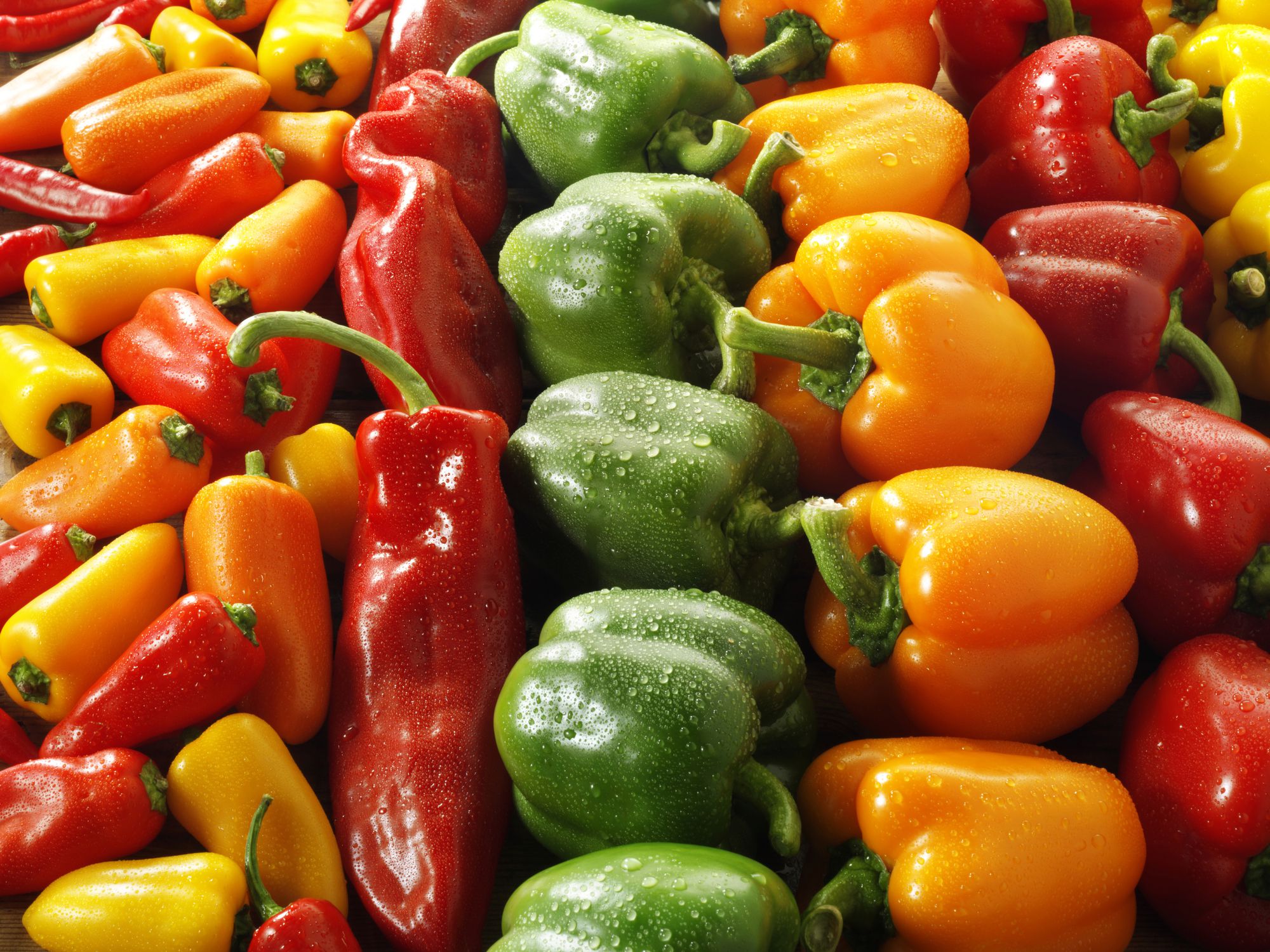
Pepper is one of the most essential ingredients in our Ghanaian diet. From shito and kpakpo shito to blended chili used in soups, stews, and sauces, pepper is part of almost every meal we enjoy. Beyond the heat and flavour we love, pepper offers powerful health benefits that many of us consume daily without fully appreciating.
In our homes, markets, chop bars, and street food joints, pepper is not just a spice. It is part of our culture, our identity, and increasingly, our health.
Common Types of Pepper We Use in Ghana
In Ghana, we use several types of pepper depending on the dish. These include kpakpo shito, bird eye pepper, cayenne pepper, habanero, and other local chili varieties. We eat pepper fresh, dried, blended, or cooked into soups like light soup, palm nut soup, and groundnut soup.
No matter how we prepare it, pepper remains rich in nutrients that support our overall wellbeing.

Rich Source of Essential Nutrients
Pepper is loaded with important vitamins our bodies need. It is especially rich in vitamin C, which helps strengthen our immune system and protect us against infections. In fact, fresh chili peppers contain more vitamin C than many fruits we consider healthy.
Pepper also provides vitamin A, which supports good eyesight, healthy skin, and a strong immune response. Minerals such as potassium and iron, though present in smaller amounts, contribute to blood health and energy levels.
Boosts Metabolism and Helps With Weight Control
One benefit of pepper that many of us notice is how it warms the body. This comes from capsaicin, the compound responsible for pepper’s heat. Capsaicin helps increase metabolism and supports the body in burning calories more efficiently.
In our Ghanaian diet, which often includes heavy and carbohydrate rich meals, pepper helps balance digestion and may reduce the risk of unnecessary weight gain when combined with active living.
Improves Digestion and Gut Health
Many people believe pepper damages the stomach, but when consumed in moderation, it actually supports digestion. Pepper stimulates digestive enzymes, helping our bodies break down food better.
This is why our traditional meals often include pepper. It reduces bloating, supports gut health, and helps fight harmful bacteria in the digestive system.
Supports Heart Health
Pepper also plays a role in supporting heart health. Capsaicin helps improve blood circulation and may reduce bad cholesterol levels while supporting good cholesterol.
Better blood flow supports healthy blood pressure, which is important as heart related conditions and hypertension continue to rise in Ghana. Including pepper in our meals, alongside healthy food choices, may contribute to better cardiovascular health.

Strengthens Our Immune System
Pepper has strong antibacterial and anti inflammatory properties. In many Ghanaian homes, we already use pepper as part of natural remedies, often mixed with ginger, garlic, or lime when we are fighting colds or flu.
This traditional practice is supported by science. Pepper helps clear congestion, reduce inflammation, and support faster recovery during illness.
Helps Relieve Pain and Inflammation
Capsaicin is widely used in pain relief products, and consuming pepper can also help reduce inflammation in the body. It may ease joint pain, muscle aches, and headaches.
For many of us who work long hours, engage in physical labour, or spend extended time on our feet, pepper may offer natural relief from everyday body discomfort.
May Help With Blood Sugar Control
Some studies suggest that capsaicin improves insulin sensitivity, which helps regulate blood sugar levels. With diabetes becoming more common in Ghana, this is an important benefit.
While pepper is not a cure, including it as part of a balanced diet may support healthier blood sugar control when combined with proper nutrition and exercise.
Moderation Is Key
Despite its benefits, we must consume pepper in moderation. Eating too much can irritate the stomach, especially for people with ulcers or acid reflux. Cooking pepper instead of eating it raw can reduce irritation while still providing health benefits.
Conclusion
Pepper is more than just a spicy addition to our food. It is a powerful natural ingredient that supports digestion, boosts immunity, improves heart health, and contributes to our overall wellbeing.
As we continue to embrace our local foods for better health, pepper remains one of the most affordable and beneficial ingredients in our Ghanaian diet.
Rise Of HIV And AIDS In Ghana Sparks Renewed Public Health Alarm – Insight Ghana