

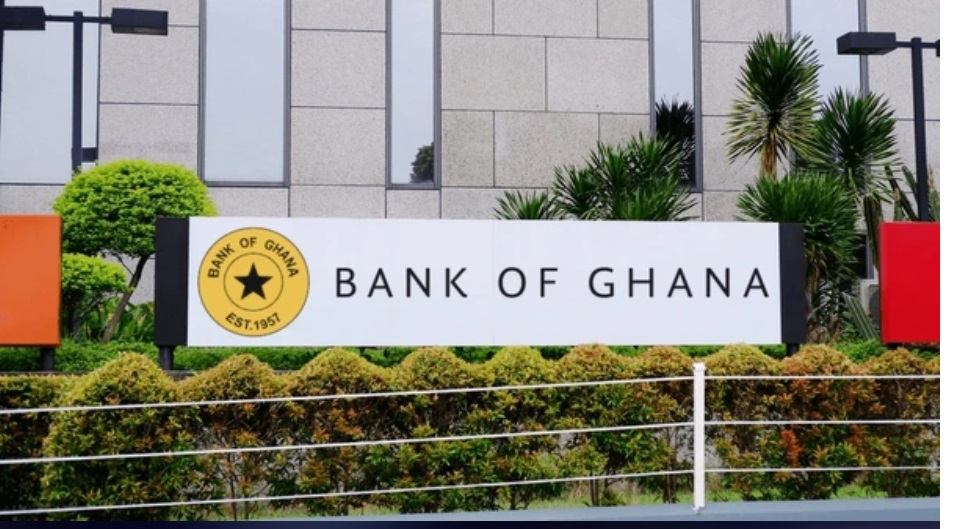
The banking regulator has signalled a renewed commitment to tightening supervision of financial institutions as part of efforts to strengthen stability and protect depositors in a rapidly evolving economic landscape. This strategic shift reflects concerns about emerging risks in the financial system and seeks to ensure that banks and other licensed institutions are resilient enough to withstand potential shocks.
In recent years, various pressures including global economic uncertainty, rising inflationary effects and shifts in financial sector dynamics have prompted regulators worldwide to reassess their oversight frameworks. The local banking regulator is no exception and has indicated that future supervision will be more deliberate comprehensive and forward looking.
Why Strong Supervision Matters
The stability of the banking sector is critical to sustaining economic growth investor confidence and public trust in financial services. Banks play a central role in mobilising savings supporting business investment and facilitating payments. Weaknesses in oversight can undermine these functions and expose the economy to systemic risks.
Tightening supervision involves more frequent and deeper examinations of bank operations risk management and compliance practices. It also requires regulators to assess not only current performance but also how institutions might behave under adverse conditions. In this regard advanced stress testing, liquidity analysis and capital adequacy reviews are expected to become more rigorous.
Authorities have emphasised that robust supervision is not intended to constrain growth but rather to ensure long term resilience. By identifying vulnerabilities early regulators can prompt corrective action that prevents small problems from becoming large scale failures.

Key Areas of Focus
The banking regulator’s renewed focus on supervision will prioritise several areas including risk management internal controls corporate governance and transparency in reporting. Emerging risks such as cybersecurity threats digital finance innovations and climate related financial exposures are also likely to feature in future supervisory assessments.
Risk management frameworks within banks will be subject to heightened scrutiny. Institutions will be expected to demonstrate that they have appropriate systems, policies and procedures in place to manage credit risk market risk operational risk and liquidity risk. Regulatory officials have emphasised the need for proactive risk identification rather than reactive problem solving after issues emerge.
Corporate governance practices will also be under review. Bank boards and management teams are required to act responsibly and align strategies with prudent risk appetite. Strong governance helps ensure that decisions are made in the best interest of depositors, investors and the wider financial system.
Transparency and accurate reporting are additional pillars of effective supervision. Regulators depend on timely and reliable data to monitor financial health and emerging trends. Financial institutions must therefore maintain high standards in their financial reporting and disclosures.
Technology and Innovation Risks
Advances in financial technology have transformed how banking services are delivered. However, innovation also brings new risks. The regulator has signalled that digital banking platforms, mobile finance, and fintech partnerships will be areas where supervision must adapt.
Cybersecurity remains an ongoing concern with institutions targeted by increasing numbers of sophisticated attacks. Supervisory frameworks will require banks to demonstrate that they have robust cyber defences incident response plans and continuous monitoring systems.
International Best Practices
In strengthening supervision, the regulator is drawing from international best practices developed by regional and global standard setting bodies. These include guidelines on capital adequacy, liquidity buffers and enterprise wide risk management. Adhering to such standards increases confidence among international investors and enhances the country’s reputation in global financial markets.

Industry Response
Bankers and financial analysts have largely welcomed the emphasis on stronger supervision but stress that it should be balanced with efforts to enhance financial inclusion and support productive lending. They argue that supervision should not create unnecessary constraints on credit availability but rather ensure that lending activities are sustainable and aligned with prudent risk appetite.
Industry stakeholders have also called for open dialogue between banks and the regulator to ensure that new supervisory expectations are clearly understood and implemented effectively. Capacity building within both regulator and financial institutions will be essential for successful execution.
Looking Forward
As the banking regulator moves to tighten supervision, the overarching goal remains clear: to protect consumers strengthen public confidence and foster a resilient financial system that supports sustainable economic growth. With sound oversight practices in place, banks can better manage risk while continuing to serve the evolving needs of businesses, individuals and the broader economy.
The coming months will be critical as new supervisory measures are communicated adopted and embedded into regulatory practice. The financial sector and its regulators appear poised to work collaboratively towards a stronger safer and more stable banking environment.
Rise Of HIV And AIDS In Ghana Sparks Renewed Public Health Alarm – Insight Ghana