

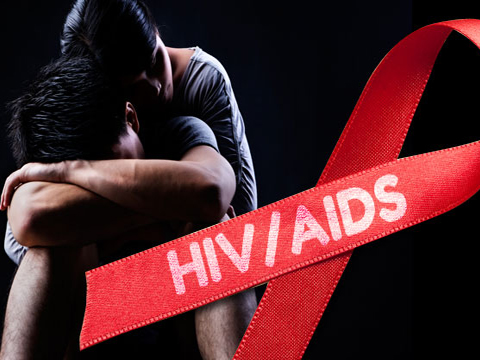
The increasing rate of HIV and AIDS infections in Ghana has triggered renewed concern among health authorities, civil society groups, and international partners. Despite years of public education, expanded access to treatment, and improved survival rates, recent data and field observations suggest that new infections remain a significant public health challenge.
Health experts warn that complacency, stigma, and socioeconomic pressures are undermining earlier gains made in the fight against HIV. The situation has prompted calls for stronger prevention strategies, improved data driven interventions, and sustained public awareness campaigns to curb the spread of the virus.
What Is Driving the Rise of HIV in Ghana?
HIV, the Human Immunodeficiency Virus, weakens the immune system and can lead to AIDS if untreated. Although antiretroviral therapy has transformed HIV into a manageable condition, prevention remains essential. In Ghana, declining risk perception has emerged as a major concern. Many people, particularly young adults, now view HIV as less threatening because treatment is widely available.
Health officials note that condom use has declined in some communities, while misinformation and myths about HIV transmission persist. Social stigma continues to discourage voluntary testing, resulting in late diagnosis and increased risk of transmission. In rural and underserved areas, limited access to healthcare facilities further compounds the problem.

Who Is Most Affected?
Recent trends show that young people between the ages of fifteen and thirty five account for a significant portion of new infections. Women remain disproportionately affected due to biological vulnerability, gender inequality, and economic pressures that increase exposure to risk.
Alarmingly, health workers report a growing number of infections among married and cohabiting couples. This development challenges outdated assumptions that HIV is limited to specific high-risk groups and highlights the need for prevention messaging that targets the wider population.
Impact on Ghana’s Health System
The rise in HIV cases places increasing pressure on Ghana’s healthcare system. Clinics providing antiretroviral therapy face higher patient loads, while the cost of long term treatment strains limited resources. Healthcare professionals stress that consistent drug supply, monitoring, and counselling require sustained funding and trained personnel.
Beyond the health sector, HIV has broader social and economic consequences. Families affected by the disease may experience income loss, increased medical expenses, and emotional distress. Children living in households impacted by HIV often face educational and social challenges, reinforcing the link between health outcomes and national development.
Current Response and Gaps
Ghana has implemented several interventions, including free HIV testing, prevention of mother to child transmission programmes, and nationwide access to antiretroviral drugs. Community based organisations play a vital role in education and outreach, particularly among vulnerable populations.
However, public health experts argue that prevention efforts need revitalisation. Comprehensive sexuality education in schools remains inconsistent, while funding constraints limit the reach of awareness campaigns. Addressing stigma through legal protection and community engagement is seen as critical to encouraging testing and early treatment.

What Needs to Change
Health analysts stress that reversing the rise of HIV in Ghana requires renewed political commitment and public participation. Expanding community testing, strengthening data systems, and integrating HIV services into primary healthcare can improve early detection. Public education must evolve to address current realities, including digital misinformation and changing social behaviour.
Experts also emphasise the importance of youth focused interventions, gender sensitive policies, and economic empowerment programmes to reduce vulnerability. Without decisive action, the progress made over the past decades risks being reversed.
Why This Matters
HIV is no longer a death sentence, but it remains a serious public health issue. The continued spread of the virus threatens productivity, strains public resources, and affects social stability. Addressing the rise of HIV in Ghana is essential not only for individual wellbeing but also for national development and public health security.
The Critical Role Of Sexual Health And Wellness: 6 Reasons Regular Check-Ups Matter – Insight Ghana