


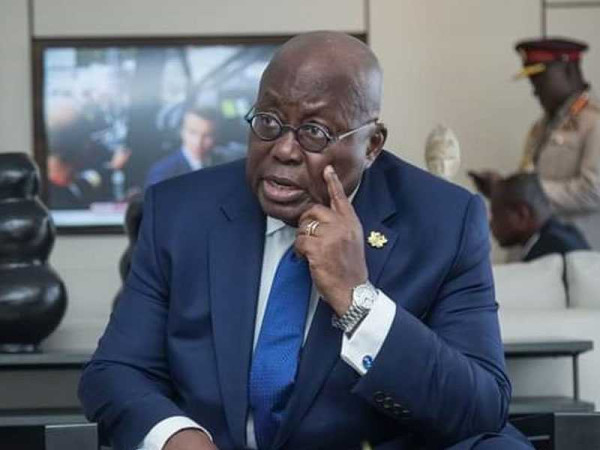
The Office of former President Nana Addo Dankwa Akufo-Addo has issued a firm denial of a recent media claim alleging that he sought the intervention of President John Dramani Mahama to secure “safe passage” for his cousin and former Finance Minister, Ken Ofori-Atta. The denial, described as a “total fabrication”, reaffirms that the former president did not make any such request explicitly or implicitly to the sitting president.
In a public rejoinder issued on Tuesday, December 16, 2025, Akufo-Addo’s office stated that the reports circulating in some outlets were untrue and misleading, emphasising the need for responsible journalism and accuracy in public discourse. This clarification comes amid heightened public interest in the ongoing legal and political questions surrounding Ken Ofori-Atta, who served as Ghana’s Minister for Finance throughout Akufo-Addo’s presidency.
Official Statement Dismisses Allegations as False
The official statement from the former president’s office underscored that Nana Akufo-Addo did not contemplate nor initiate any request for President Mahama’s intervention in the matter facing Ofori-Atta. The office labelled the reports as “utterly false,” stressing that attributing such motives to the former president was both inaccurate and harmful to public understanding of the situation.
While acknowledging that Akufo-Addo is personally concerned about his cousin’s circumstances given Ofori-Atta’s long service as Finance Minister under his leadership the statement clearly distinguished familial concern from interference in legal proceedings or executive decision-making. It reiterated that this concern does not and should not extend to undermining the rule of law.
Legal and Political Context of the Ofori-Atta Situation
The controversy surrounding Ken Ofori-Atta has been a focal point in Ghana’s political discourse in 2025. The former finance minister has faced legal scrutiny related to his tenure in office, with the Office of the Special Prosecutor (OSP) involved in investigations over alleged financial misconduct and public loss in major transactions.
Ofori-Atta’s failure to appear in person for questioning earlier in the year led to his name being placed on a list of wanted individuals, although subsequent developments allowed for a temporary removal pending voluntary return. These developments intensified public debate and media attention around the case.
Separating Personal Support From Institutional Influence
In distancing himself from the reported claim, Akufo-Addo’s office emphasised that while personal sympathy or concern for a family member is natural, it should not be conflated with political leverage or institutional influence. This distinction, the statement noted, is central to maintaining accountability and legal impartiality within Ghana’s democratic framework.
The former president’s office also called on media organisations that carried the initial report to publish the rejoinder in full, underscoring the importance of correcting misinformation once it enters the public domain. This call reflects broader concerns about media ethics and the impact of unverified claims on public trust.
Public Reaction and Political Climate
The denial has generated varied reactions across Ghana’s political landscape. Supporters of different political persuasions continue to debate the implications of the Ofori-Atta case, particularly as it relates to governance, accountability and equality before the law.
While some observers argue that legal processes must be applied fairly and without political bias, others insist that no public official or former officeholder should be shielded from scrutiny. These divergent views have contributed to an intense national conversation about justice, transparency and democratic responsibility.
Reaffirming Commitment to the Rule of Law
Beyond rebutting a specific allegation, the statement from Akufo-Addo’s office serves as a broader reaffirmation of respect for constitutional order and institutional independence. By rejecting any suggestion of seeking presidential intervention, the former head of state has reinforced the principle that legal processes must proceed without political interference.
As discussions surrounding Ken Ofori-Atta’s legal challenges continue, the response from Akufo-Addo’s office highlights the ongoing tension between political narratives and institutional accountability. Ultimately, the episode underscores the importance of accuracy in public reporting and the enduring relevance of the rule of law in Ghana’s democratic governance.