

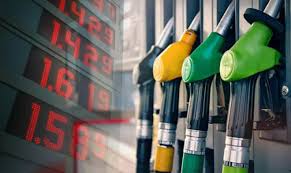
Ghanaians may soon see relief at the petrol pump as key indicators point to a likely reduction in fuel prices ahead of the Christmas holiday season. Gabriel Kumi, Chairman of the Chamber of Oil Marketing Companies (COMAC), has provided assurance that current trends in the global petroleum market and stabilising local conditions are expected to translate into lower costs for petrol, diesel, and liquefied petroleum gas (LPG) for consumers.
Addressing listeners during a business radio programme, Mr. Kumi explained that international finished petroleum product prices have begun to decline in recent weeks. These declines, he said, are anticipated to be reflected in retail pump prices once the next pricing window takes effect. The expected downward revision comes at a time when many households and businesses are preparing for increased travel and expenditure associated with the festive season, heightening the significance of any cost relief at the fuel pump.
What Is Influencing the Expected Price Shift
COMAC’s assessment of the market shows that diesel prices have fallen by a notable margin at the supplier level, with reductions of around ten percent compared with earlier pricing cycles. Petrol has similarly experienced decreases, albeit to a slightly lesser degree, with finished product costs contracting in the vicinity of six percent. LPG, a key cooking fuel for many Ghanaian households, has also registered a modest decrease in cost. These developments reflect broader movements in the global oil market, where crude benchmarks have eased and inventory levels in key regions have increased.
A key factor in the potential price drop is the ongoing stability of the Ghanaian cedi against major international currencies. A stable or strengthening local currency reduces the import cost of petroleum products, since oil and refined fuels are priced in foreign currencies. When the cedi remains firm, importers incur lower landed costs, which in turn can support price reductions at the retail level.
Mr. Kumi emphasised that the combination of softer global prices and cedi stability creates a favourable environment for downward price adjustments. He explained that if these conditions persist through the second pricing window of December which coincides with the heart of the festive period motorists and households should begin to notice slightly lower fuel prices in mid-to-late December.
How Pricing Windows Work
Under Ghana’s deregulated petroleum pricing framework, adjustments to pump prices are made at regular intervals referred to as pricing windows. During these windows, oil marketing companies review the cost of imported petroleum products, consider exchange rates, and adjust pump prices accordingly. This mechanism ensures that prices at the pump mirror real-time changes in supply costs rather than being fixed or outdated.
In the case of the current pricing analysis, finished product costs that industry players have observed signal a trend that could mitigate some of the recent upward pressures on consumer fuel prices. Should the anticipated reductions take effect, this would represent a welcome shift from recent cycles, which at times saw price increases driven by external market volatility or local currency depreciation.
Consumer and Economic Impact
Lower fuel prices during the Christmas season could offer tangible benefits for a wide range of stakeholders across the economy. For individual drivers and households, pump price reductions mean more disposable income to allocate to other holiday-related expenses such as food, travel, and gifts. For transport operators including commercial drivers, haulage companies, and ride-hailing service providers lower diesel and petrol costs can help reduce operating expenses at a time when demand for transport services typically surges.
Economists note that fuel price adjustments often have ripple effects throughout the broader economy. Since transportation costs are a foundational component of goods pricing, reductions in fuel prices can, over time, contribute to easing the cost of basic commodities and services. As transport operators incur lower fuel costs, the inflationary pressures associated with logistics and distribution can soften, potentially leading to slower increases in the prices of food, household goods, and other essentials.
For households that rely on LPG for cooking, any reduction in the cost of this fuel would also be significant. Cooking fuel expenses represent a non-trivial portion of monthly household budgets, and any easing of these costs contributes directly to improved living standards especially for lower-income families who may already allocate a larger share of their income to energy needs.
Risks and Market Sensitivities
While current dynamics suggest a positive outlook for December pricing, Mr. Kumi was careful to note that several external factors still influence final pump price decisions. The global oil market remains sensitive to economic data, geopolitical developments, and supply chain disruptions that can quickly alter crude oil benchmarks and refined product costs. Similarly, the exchange rate of the cedi can shift in response to macroeconomic conditions, potentially offsetting gains from lower global prices if significant depreciation occurs.
Industry analysts caution that while the present outlook is encouraging, ongoing monitoring of both international and domestic market indicators will be essential to confirm the durability of these trends. The interplay between crude oil prices, refining margins, shipping and freight costs, and forex movements will continue to shape the final prices that consumers pay at the pump.
Looking Ahead
As Ghana approaches the peak of the festive season, motorists, transporters, and households are watching developments closely. If the anticipated price reductions materialise, they could provide welcomed economic relief during a period traditionally marked by increased consumer spending. The coming pricing window will be crucial in determining whether the projected cost savings are realised at fuel stations nationwide.
In the meantime, COMAC’s assurances have offered a measure of optimism, reinforcing the view that fuel pricing in Ghana remains responsive to prevailing market fundamentals. Should trends continue to align favourably, the festive period may bring not only seasonal cheer but also genuine financial respite at the fuel pump.