

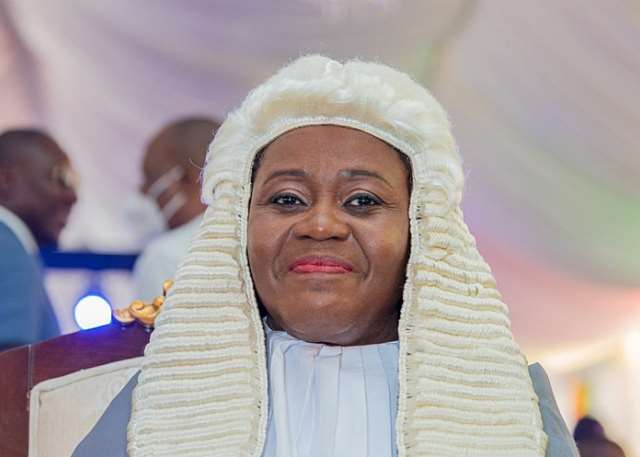
Political tensions in Ghana’s judiciary have escalated following the removal of former Chief Justice Gertrude Torkornoo, a decision that the ruling National Democratic Congress (NDC) government insists followed constitutional procedure. The New Patriotic Party (NPP) has accused the government of “executive capture” of the courts, warning of dangerous precedents for judicial independence.
The controversy stems from petitions submitted against the Chief Justice, leading to a process under Article 146 of the 1992 Constitution. The petitions included allegations of misconduct and misuse of public funds, specifically claims that she authorised unlawful expenditures involving family members via the Judicial Service. After a committee investigation the President acted on the committee’s recommendation and removed the Chief Justice in September 2025.
NPP spokespersons have condemned the removal as politically motivated, arguing that though constitutional provisions were cited, the process lacked transparency and threatened judicial independence. They describe it as an attempt by the NDC to manipulate state institutions and influence court outcomes in its favour.
Critics point out that this is the first time in Ghana’s modern history that such a drastic procedure has been taken against a sitting Chief Justice under contested circumstances. For many legal experts and civil-society actors, the situation raises serious questions about the balance of power, the autonomy of the judiciary, and the ability of citizens to expect impartial justice.
Supporters of the government argue, however, that the move adhered to constitutional directives. They maintain that the removal followed due legal process: after petitions were submitted, a prima facie case was established, a five-member committee convened hearings, and the President acted on their recommendation. They claim this demonstrates accountability and willingness to enforce judicial discipline.
The public reaction has been mixed. Many citizens express concern that such removals undermine the stability and independence of the courts; others argue that no one is above the law, and judicial officers must meet high standards of conduct. For now, the seat of Chief Justice remains vacant or is being filled on acting basis, as debates over judiciary independence, constitutional checks, and reform continue.
Analysts warn that the consequences go beyond one individual: if the trend continues, it might erode public trust in the judiciary, discourage qualified individuals from pursuing judicial appointments, and destabilize legal processes. They urge robust institutional safeguards, transparent investigation procedures, and public oversight to avoid politicization of the courts.