

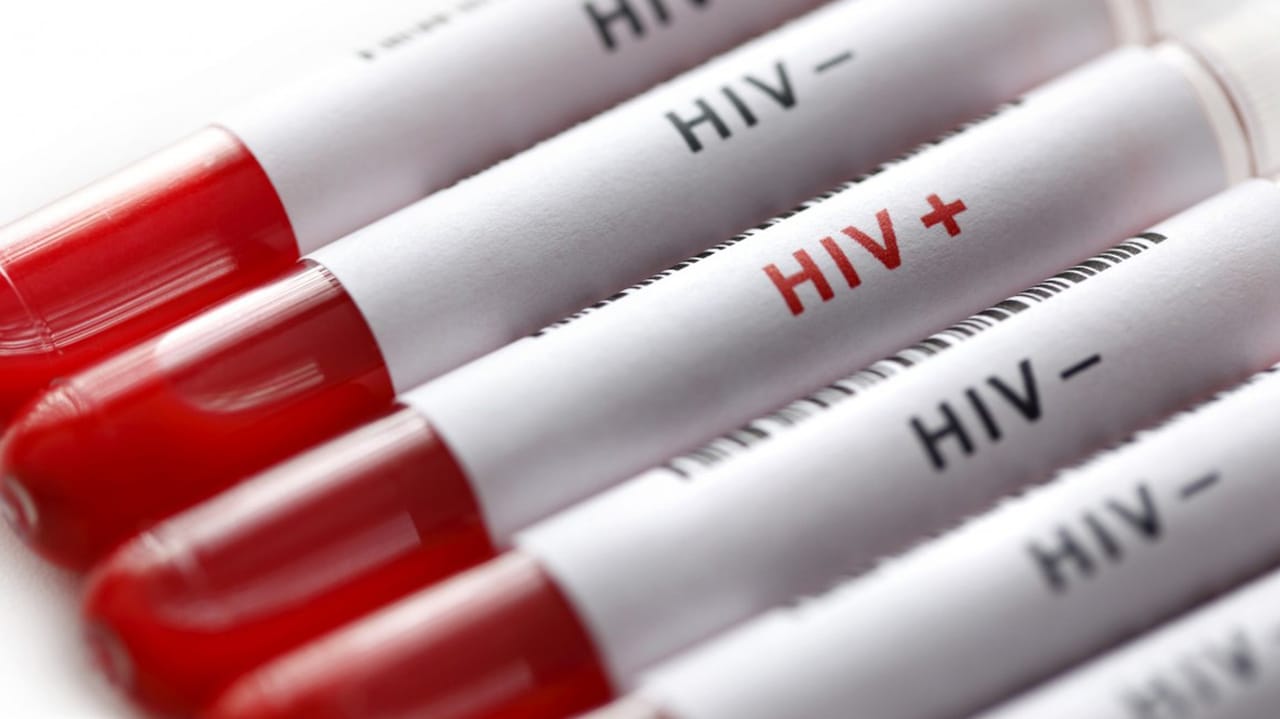
New national data indicates that more than 334,700 people are now living with HIV in Ghana, amid signs of a troubling rise in new infections and ongoing challenges in prevention and treatment efforts.
Health authorities revealed that Ghana recorded 15,290 new HIV infections in 2024, with about 42 new cases reported each day. Of these new infections, roughly 67.4% were among females and 32.6% among males. The Ghana AIDS Commission (GAC) highlighted that women continue to bear a disproportionate burden of the epidemic.
Overall, among the estimated 334,721 people living with HIV in Ghana, women account for approximately 68.5%, while men represent 31.5%. Children under 15 years old make up roughly 5.4% of the total HIV-positive population.
The most recent figures underscore the urgent need for renewed strategies to stem new infections, strengthen awareness and expand access to care. Experts say the uptick in infections reflects persistent gaps in prevention efforts, stigma, limited access to testing, and social vulnerabilities, particularly among women and young people.
The GAC has called on the government, civil society and communities to intensify education campaigns, invest in testing and treatment infrastructure, and improve follow-up support for people living with HIV. There is also a renewed appeal for scaling up antiretroviral therapy (ART) coverage and ensuring that those diagnosed receive continuous and effective treatment to reduce transmission and improve quality of life.
Advocates have urged a targeted focus on high-risk groups, rural and underserved areas, and vulnerable demographics to prevent further spread. They emphasise that without urgent action, gains made in managing the epidemic could be reversed. Some have also recommended stronger integration of HIV services into broader healthcare delivery, along with data-driven monitoring to track progress and identify hotspots.
As Ghana grapples with the growing HIV burden, public health experts say the latest data should serve as a wake-up call, prompting decisive action to protect citizens and safeguard national health outcomes.