

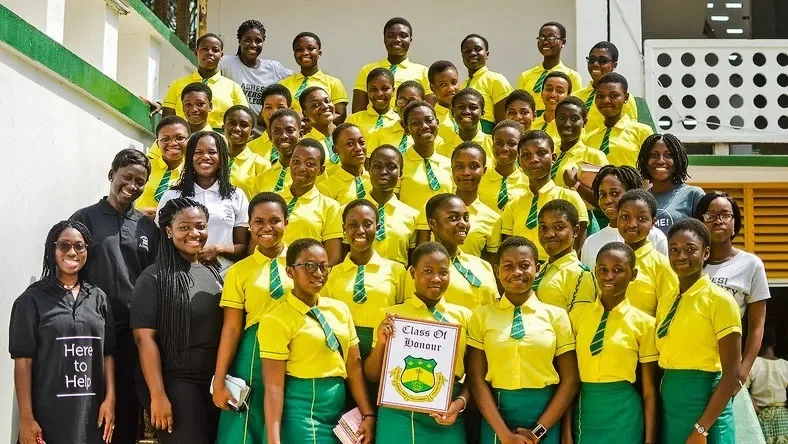
The Supreme Court has directed Wesley Girls Senior High School to formally respond to serious allegations that it restricts Muslim students from practicing key aspects of their faith. This decision follows a lawsuit filed by legal practitioner Shafic Osman, who contends that the school’s policies violate the constitutional right to freedom of religion.
According to the court’s order, Wesley Girls has 14 days to submit a detailed response. The panel made clear that the allegations are not trivial. They concern claims that the school prevents Muslim students from praying, fasting, and observing other religious duties, while requiring them to participate in the school’s Methodist-based religious activities.
The plaintiff argues that these practices amount to systemic religious discrimination. He points out that Wesley Girls, despite receiving state support, enforces rules rooted in its Methodist tradition in a way that undermines the religious rights of Muslim students.
During the court session, the Attorney-General requested permission to withdraw a previous Statement of Case and submit a revised version. Although the court granted this request, it expressed concern that the new statement did not adequately address the factual allegations raised by Osman. As a result, the Court insisted that the school’s Board of Governors must respond directly to the substantive claims.
In his submission, the Deputy Attorney-General did not oppose the directive, noting that the amended case focused more on constitutional principles than on the specific factual practices being challenged. Yet the court emphasized that factual clarity is essential before it can rule on the deeper constitutional questions.
Legal experts and human rights advocates have described the Court’s directive as a significant step. Many argue that it underscores the principle that publicly funded educational institutions should comply with constitutional standards, even when they have a denominational history.
Critics of the school’s practices have pointed to past allegations that Muslim students at Wesley Girls have been discouraged from fasting during Ramadan, required to attend Christian services, and restricted in other expressions of their faith. These accusations, they say, are not just about personal beliefs but about the fairness and inclusivity of a publicly supported institution.
Some legal scholars have argued that public schools, even those founded by religious bodies, must not compromise on constitutional rights. They say that if Daniel example in Ghana’s legal tradition supports the view that public interest and religious heritage must coexist in harmony.
On the other hand, defenders of the school’s religious heritage argue that Wesley Girls has the right to maintain its Methodist character. They contend that certain religious guidelines are integral to its tradition and identity. The Attorney-General has echoed this view, maintaining that the school’s religious ethos should be respected.
Civil society and advocacy groups have welcomed the Court’s insistence on a formal response. Many say this could set a precedent for how faith-based schools navigate their dual role: preserving their denominational identity while respecting the constitutional rights of all students.
As the 14-day deadline approaches, public attention is sharply focused on how Wesley Girls will explain its policies. The case has become a landmark test of religious freedom, institutional tradition, and constitutional obligations in Ghana’s education system. The Supreme Court’s ruling may have far-reaching implications for faith-based schools across the country.