

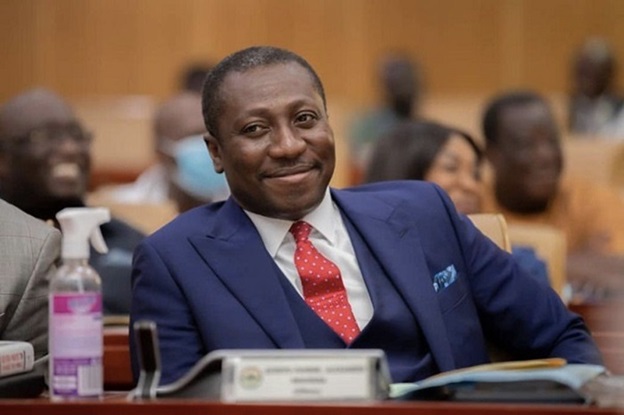
Majority Leader Alexander Afenyo-Markin has reiterated that accessible and equitable healthcare remains one of the most fundamental needs of any thriving community. Speaking at a community health outreach programme, he emphasised that quality healthcare services must not be seen as a privilege restricted to urban areas but as a right deserved by every Ghanaian regardless of location or socioeconomic status.
Afenyo-Markin noted that several communities across the country continue to struggle with inadequate health infrastructure, understaffed facilities, and long travel distances required to access essential care. These gaps, he warned, have real consequences, from preventable diseases to rising maternal mortality rates and delayed emergency response times. He described the current disparities as both a public health concern and a barrier to national development.
He called on government agencies, district assemblies, and private sector partners to prioritise investments in rural clinics, modern equipment, and health worker training. According to him, strengthening the healthcare system requires more than constructing buildings; it demands equipping facilities with skilled professionals, reliable diagnostic tools, pharmaceuticals, and modern digital health technologies.
Afenyo-Markin also encouraged communities to actively engage with health programmes, including vaccination campaigns, screenings, and preventive health initiatives. He stressed that community participation improves outcomes significantly, as early detection and routine care reduce long-term health complications.
Health professionals at the event echoed his sentiments, highlighting that many illnesses treated at referral hospitals could have been prevented or managed at the community level if local facilities were properly resourced. They emphasised that universal health access must go beyond policy declarations and be backed by consistent funding and operational reforms.
Civil society groups present advocated for stronger partnerships between government, NGOs, and development agencies. They noted that sustainable progress will require integrating traditional medicine practitioners, community health workers, and public health educators into mainstream healthcare delivery models.
Afenyo-Markin concluded by pledging continued advocacy for robust healthcare funding in Parliament. He noted that healthier communities lead to higher productivity, stronger economies, and improved overall quality of life. With the right strategies, he believes Ghana can build a resilient healthcare system that serves the needs of every citizen.