

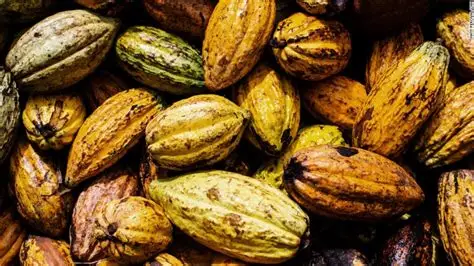
The European Union has issued a strong warning to Ghana and Côte d’Ivoire, urging both countries to implement sweeping reforms in the cocoa industry or risk losing their dominance in the global cocoa market. This caution comes as the EU prepares to enforce stricter sustainability and anti-deforestation laws that will directly affect cocoa exports beginning next year.
According to EU officials, the new regulations will require cocoa-producing countries to improve traceability systems, eliminate child labour from supply chains, and demonstrate clear compliance with environmental protection standards. Failure to meet these requirements could result in significant export restrictions, higher costs, and dwindling market access for cocoa beans entering the European market, the world’s largest consumer of cocoa.
Ghana and Côte d’Ivoire together contribute more than 60 percent of global cocoa production, making the EU’s message especially critical. However, the EU warned that dominance alone is not enough to guarantee market security. Without rapid institutional reforms, advanced digital tracking systems, and stricter land-use policies, the two nations risk falling behind emerging cocoa-growing competitors who are quickly aligning with sustainability requirements.
EU representatives further indicated that buyers and chocolate manufacturers are already exploring alternative suppliers in Latin America and Asia. If Ghana and Côte d’Ivoire fail to comply, their long-standing competitive advantage could erode dramatically. “This transition is not optional,” an EU delegate stressed during a stakeholder engagement session. “It is mandatory for all exporters wishing to retain their place in the European market.”
For Ghanaian and Ivorian farmers, the reforms present both a challenge and an opportunity. While compliance may involve substantial investment in monitoring technologies and labour oversight, it could also lead to higher farm-gate prices, better working conditions, and improved environmental safeguards. However, cocoa farmer unions argue that they require significant financial support to implement these changes, adding that the EU must share responsibility in funding the transition.
Government officials from both countries acknowledged the urgency of the situation and expressed commitment to working toward compliance. They highlighted ongoing initiatives such as the Living Income Differential (LID) and satellite monitoring programmes as proof of progress. However, policy analysts warn that more comprehensive reforms are needed, particularly regarding land documentation, forest restoration, and digital mapping.
As the enforcement date for the EU Deforestation Regulation approaches, the pressure on Ghana and Côte d’Ivoire continues to mount. The road ahead will demand swift action, collaboration with industry partners, and strong political will. Without decisive reforms, the two largest cocoa exporters in the world could face historic losses and a major shift in the global cocoa trade.